
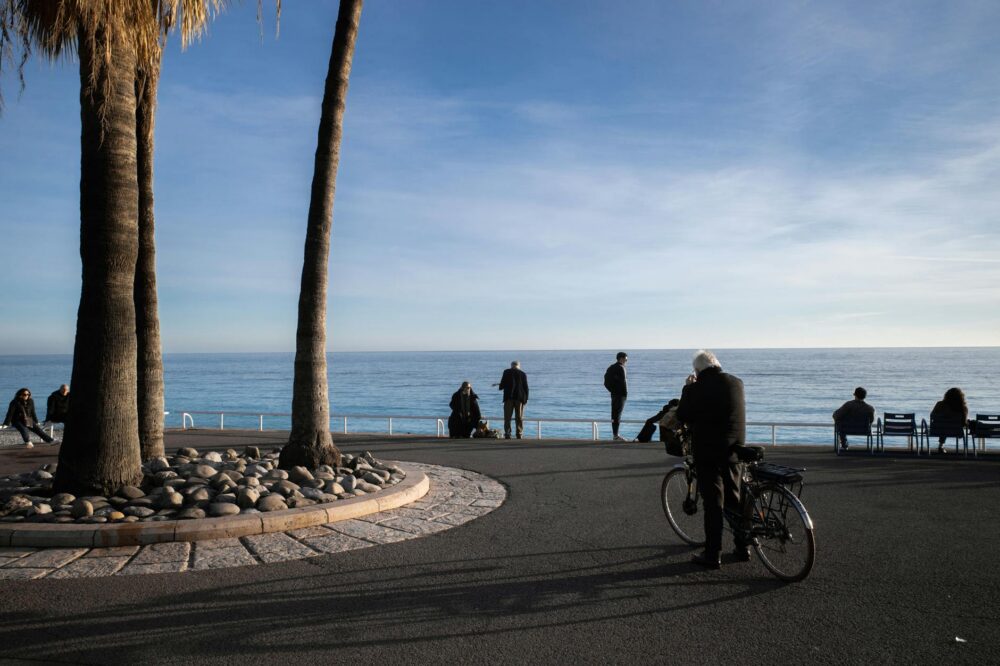
Nice, the crown jewel of the French Riviera, is famous for its stunning coastline along the Baie des Anges. But not all beaches are equal when it comes to swimming. Whether you’re a family with kids, a solo traveler, or a couple seeking romance, knowing where to take a safe, clean, and enjoyable dip is essential. This guide covers the best beaches for swimming in Nice, France, with practical details on water quality, amenities, and tips to avoid crowds.
Table des matières:
Why Swimming Conditions Vary Across Nice’s Beaches
Nice’s shoreline stretches over 7 kilometers, mostly pebbly with some sandy sections. The water clarity, depth, and currents differ significantly. Some areas have gentle slopes ideal for wading, while others drop off quickly. Many beaches are public and free, but private sections offer services like sunbeds and umbrellas. For the best swimming experience, focus on beaches with calm waters, good water quality (monitored by the EU Blue Flag program), and easy access.
Top 5 Best Beaches for Swimming in Nice, France
1. Plage Publique de Castel (Castel Public Beach)
Located at the foot of Castle Hill, this public beach is a favorite among locals. It features a mix of pebbles and flat rocks, but the water is exceptionally calm and clear. The beach is sheltered, so waves are minimal, making it perfect for swimming and snorkeling. There are no paid services, but showers and restrooms are available nearby. Arrive early to secure a spot on the pebbles.
2. Plage de la Réserve (La Réserve Beach)
Just east of the port, this small, quieter beach offers a sandy bottom and gentle entry. It’s one of the few sandy beaches in Nice, ideal for families. The water is shallow for a long distance, so kids can play safely. The beach is partly private (with a restaurant), but the public section is free. Water quality is excellent here.
3. Plage Beau Rivage (Beau Rivage Beach)
In the heart of the Promenade des Anglais, Beau Rivage is a private beach with a public section. The swimming area is roped off, ensuring no boats disturb you. The water is deep enough for swimming even at low tide. The beach is well-maintained, with lifeguards during summer. Entry is free on the public side, but sunbeds cost extra.
4. Plage des Ponchettes (Ponchettes Beach)
This series of small coves between the Old Town and Castle Hill offers protected swimming spots. The water is crystal clear and calm, thanks to the rocky barriers. Some areas have concrete platforms for sunbathing. It’s not ideal for toddlers due to pebbles, but swimmers love the clear water. Access is free.
5. Plage de la Promenade du Paillon (Paillon Promenade Beach)
Near the modern Paillon Promenade park, this beach is a recent addition with sand brought in. It’s shallow and safe, with lifeguards. The water quality is monitored, and the beach is wheelchair accessible. It’s popular with families and less crowded than central beaches.
Private vs. Public Beaches: Which Is Better for Swimming?
Private beaches (like Blue Beach or Ruhl Plage) offer sunbeds, umbrellas, and waiter service, but the swimming area is often the same as public sections. The advantage is less crowding on the shore, but water access is identical. Public beaches are free and often have better water quality due to lower human impact. For purely swimming, choose a public beach early in the morning.
Water Quality and Safety: What to Know
All main beaches in Nice are monitored weekly during summer for bacteria levels. The EU Blue Flag is awarded to several beaches, including Castel and Beau Rivage. Lifeguards are present from June to September on most popular beaches. Pay attention to flags: green for safe, yellow for caution, red for no swimming. Avoid swimming after heavy rain, as runoff can temporarily affect quality.
Best Time of Day for Swimming
Early morning (before 10 a.m.) offers calm water and fewer people. Late afternoon (after 4 p.m.) is also good, with warmer water and softer light. Avoid midday when the sun is strongest and the beach is most crowded. The water temperature peaks in August at around 24–26°C (75–79°F).

Swimming Tips for Nice’s Pebble Beaches
- Water shoes are essential for pebble beaches; they protect feet and make entry easier.
- Enter slowly to avoid slipping on algae-covered rocks.
- Use a swim buoy if swimming far out, as boat traffic can be present.
- Check currents near the port area; they can be stronger.
- Rinse off after swimming to remove salt and pebble dust.
Beaches to Avoid for Swimming
While most beaches are safe, a few are less ideal. The beach near the port entrance (Plage de la Porte) has boat traffic and turbid water. Also, the far eastern end near Cap de Nice can have strong currents. Stick to the central and western sections for the best swimming.
Nearby Alternatives: Day Trips for Better Swimming
If you’re willing to travel a bit, consider Villefranche-sur-Mer (10 minutes by train) for its deep, calm bay. Or head to Antibes for sandy beaches like Plage de la Salis. These offer excellent swimming conditions and are easily accessible from Nice.
FAQ: Best Beaches for Swimming in Nice, France
Are Nice beaches safe for children?
Yes, especially Plage de la Réserve and Plage du Paillon, which have shallow, calm waters. Always supervise children and choose beaches with lifeguards.
Do I need to pay to swim at Nice beaches?
No, all beaches have free public sections. Private sections charge for amenities but not for swimming access.
What is the water temperature in Nice?
Summer water temperatures range from 22°C in June to 26°C in August. Swimming is comfortable from May to October.
Are there sandy beaches in Nice?
Yes, but they are rare. Plage de la Réserve and Plage du Paillon have sand. Most others are pebbles.
Can I snorkel at Nice beaches?
Yes, especially at Castel and Ponchettes, where rocky areas attract fish. Bring a mask and snorkel.
Is it safe to swim at night?
No, swimming is prohibited after dark due to safety risks. Stick to daylight hours.
Final Recommendations for Your Swim in Nice
For the best all-around swimming experience, head to Plage Publique de Castel early in the morning. If you prefer sand, choose Plage de la Réserve. Always check the flag warnings and bring water shoes. Nice’s beaches offer wonderful swimming opportunities when you pick the right spot. Enjoy the azure waters of the French Riviera responsibly.
Photo by Bingqian Li on Pexels




Great article! I’m planning a trip to Nice with my toddler. Which beach would you recommend for safe swimming with a young child?
For toddlers, Plage de la Réserve is ideal because of its sandy bottom and very shallow, gentle slope. Plage de la Promenade du Paillon also has sand and lifeguards, making it another safe choice.