
Table des matières:
Why Study in Nice? The French Riviera Advantage
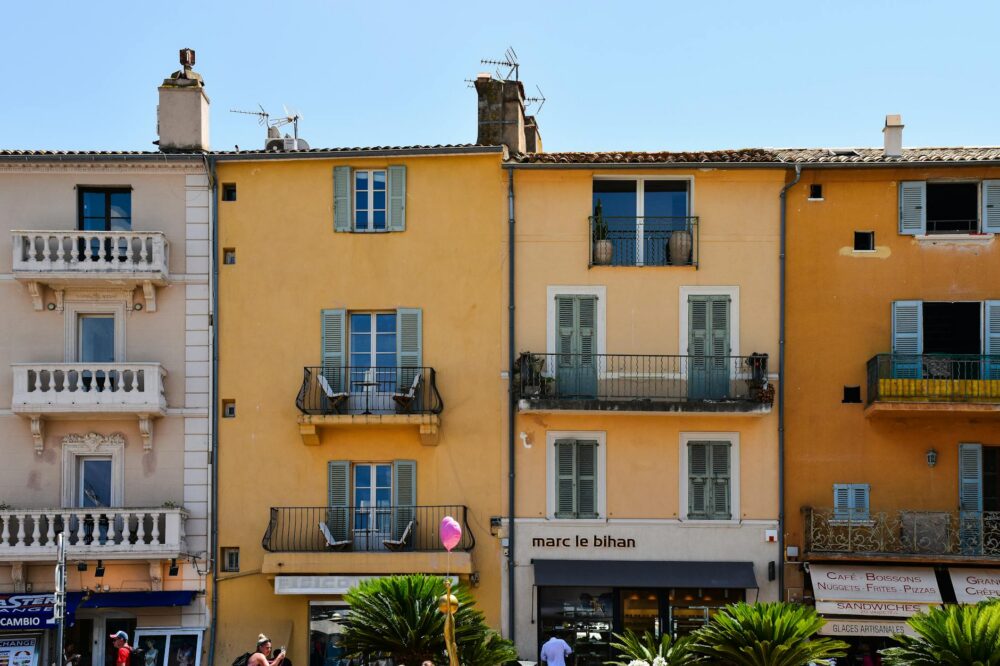
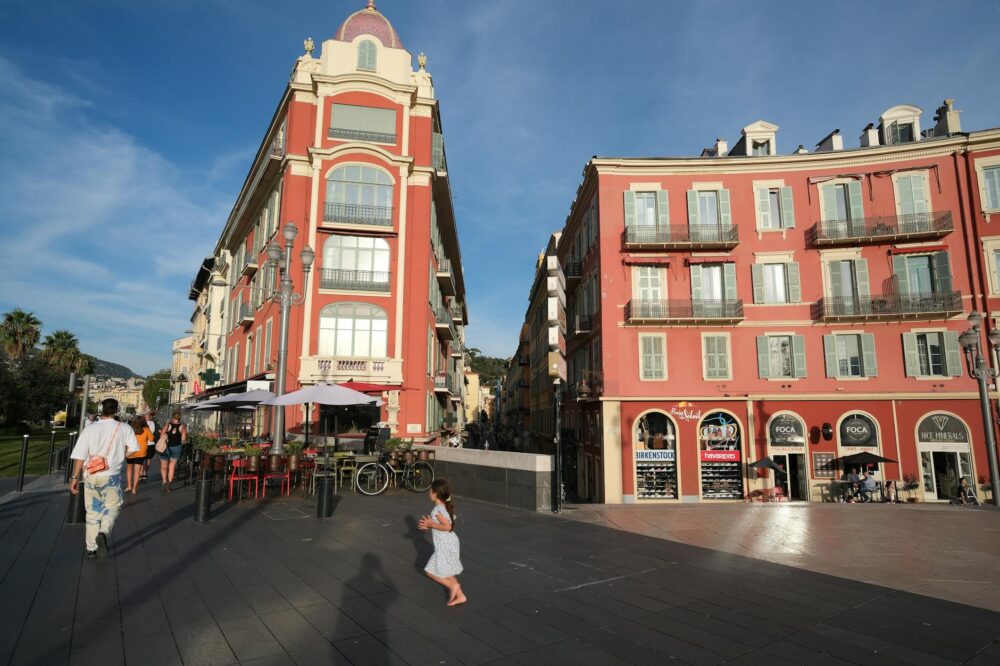
Nice is not just a sun-drenched coastal city; it’s a vibrant academic hub. With institutions like Université Côte d’Azur, SKEMA Business School, and EDHEC, you can pursue degrees in fields from engineering to international business. The city’s Mediterranean climate, cultural richness, and proximity to Monaco and Italy make it an attractive destination for students worldwide. But with several universities to choose from, how do you pick the right one? This guide walks you through the key factors to consider when selecting a university in Nice.
Key Factors to Consider When Choosing a University in Nice
1. Academic Programs and Specializations
Start by identifying your field of study. Nice offers a wide range of programs, but not every university excels in every discipline. For instance:
- Université Côte d’Azur (UCA) is strong in sciences, law, economics, and humanities. It also has a renowned medical school.
- SKEMA Business School is known for its global campuses and programs in finance, marketing, and entrepreneurship.
- EDHEC Business School offers top-tier business degrees with a focus on finance and innovation.
- École d’Ingénieurs like Polytech Nice specialize in engineering and technology.
Check if the university offers your desired degree level (Bachelor, Master, PhD) and whether courses are taught in English or French. Many programs are bilingual, but language requirements vary.
2. Accreditation and International Recognition
A degree’s value depends on its accreditation. Look for universities that are recognized by the French Ministry of Education and have international accreditations like AACSB, EQUIS, or AMBA for business schools. For example, SKEMA and EDHEC hold triple accreditation, which is a mark of global quality. UCA is part of the French “Initiative d’Excellence” (IDEX) program, ensuring high research and teaching standards.
3. Campus Location and Facilities
Nice’s universities are spread across the city and its outskirts. UCA’s main campus is in the Valrose area, a short bus ride from the city center. SKEMA’s campus is in Sophia Antipolis, a technology park about 20 minutes from Nice. EDHEC has a campus in Nice itself. Consider your lifestyle: do you prefer a bustling urban campus or a quieter tech park environment? Also, check facilities like libraries, labs, sports centers, and student housing.
Cost of Living and Tuition Fees
Nice is more affordable than Paris but pricier than smaller French cities. Average monthly living costs (rent, food, transport) range from €800 to €1,200. Tuition fees vary significantly:
| University Type | Annual Tuition (Bachelor’s) | Annual Tuition (Master’s) |
|---|---|---|
| Public (e.g., UCA) | €170 (EU students) / €2,770 (non-EU) | €243 (EU) / €3,770 (non-EU) |
| Private (e.g., SKEMA) | €12,000–€15,000 | €16,000–€20,000 |
| Private (e.g., EDHEC) | €12,000–€16,000 | €18,000–€24,000 |
Scholarships and financial aid are available, especially for international students. Check the Campus France website and each university’s financial aid page.
Language of Instruction and Language Support
If you’re not fluent in French, look for programs taught in English. Most business schools offer English-track programs. UCA has some English-taught master’s degrees, but bachelor’s programs are mainly in French. If you need to improve your French, many universities offer language courses. Consider whether you want to learn French as part of your experience—Nice is an excellent place to become bilingual.
Student Life and Support Services
Student life in Nice is rich: beaches, festivals, hiking, and a lively nightlife. But also consider practical support:
- Housing assistance: CROUS (regional student services) helps with dormitory applications.
- International student offices: They organize orientation weeks and cultural events.
- Career services: Many universities have strong corporate partnerships, especially SKEMA and EDHEC, with dedicated career fairs and internships.
Check if the university has a buddy program or student associations that can help you integrate.
How to Apply: Step-by-Step

For EU/EEA Students
- Apply through Parcoursup for bachelor’s programs (in French).
- For master’s, use the Études en France platform or direct application.
For Non-EU Students
- Use the Campus France procedure (if applicable in your country) or apply directly to the university.
- Provide transcripts, CV, motivation letter, language test scores (TOEFL/IELTS for English, DELF/DALF for French).
- Some programs require interviews or entrance exams.
Application deadlines vary: typically January–March for fall intake, but some programs have rolling admissions. Start early!
Common Mistakes to Avoid When Choosing a University in Nice
- Ignoring language requirements: Even if a program is in English, daily life in Nice requires some French. Not learning basics can hinder social life and internships.
- Overlooking accreditation: A degree from a non-accredited institution may not be recognized in your home country.
- Underestimating costs: Nice is not cheap. Budget carefully, including rent, which can be high near the coast.
- Not visiting (virtually or in person): Campus atmosphere matters. Take virtual tours or attend open days.
Practical Checklist for Your Final Decision
- ☐ Does the university offer my desired program in the language I prefer?
- ☐ Is the institution accredited and internationally recognized?
- ☐ What are the tuition fees and are there scholarships?
- ☐ Where is the campus located and is housing available?
- ☐ What student support services are offered for international students?
- ☐ What are the career prospects after graduation? Check alumni networks and employment rates.
- ☐ Have I read reviews from current or former students? (Check platforms like The Student Room, Reddit, or Facebook groups.)
Frequently Asked Questions
What is the best university in Nice for international students?
It depends on your field. For business, SKEMA and EDHEC are top choices. For sciences and humanities, Université Côte d’Azur is excellent. All have strong international communities.
Can I study in Nice without speaking French?
Yes, especially in graduate programs at business schools. However, learning basic French will greatly enhance your experience and opportunities.
How much does it cost to live in Nice as a student?
On average, €800–€1,200 per month, including rent, food, transport, and leisure. Rent for a studio starts around €500–€700.
Are there scholarships for international students in Nice?
Yes. French government scholarships (Eiffel, Campus France), regional scholarships, and university-specific aid are available. Visit each university’s financial aid page.
How do I apply for a student visa for France?
After receiving your acceptance letter, apply through the French consulate in your country. You’ll need proof of enrollment, financial resources, and health insurance. The process takes 2–3 months.
What is the job market like for graduates in Nice?
Nice has a growing tech sector (Sophia Antipolis), tourism, and finance. Business graduates often find work in local or international companies. The university career services can help with internships and job placements.
Your Next Steps: Making the Choice
Choosing a university in Nice is a personal decision that balances academic goals, budget, and lifestyle. Start by listing your priorities—program, cost, location—then research each institution thoroughly. Reach out to admissions offices, attend virtual open days, and connect with current students. Nice offers a unique blend of high-quality education and Mediterranean living. With careful planning, you’ll find the university that sets you up for success.
Photo by AXP Photography on Pexels

I’m considering applying to SKEMA Business School for a Master’s in Finance. Do you know if their programs are taught entirely in English, and what are the language requirements for non-native speakers?
Great question! SKEMA offers many Master’s programs fully in English, including finance. For non-native speakers, you’ll typically need to provide a TOEFL score of 90+ or IELTS 6.5+. It’s best to check the specific program page for exact requirements, as they can vary slightly.
I’m an EU student looking at EDHEC’s Bachelor’s program. The tuition seems high, but I heard they offer scholarships. Can you tell me more about the financial aid options for international students?
Absolutely! EDHEC offers several scholarships, such as the EDHEC International Scholarship which can reduce tuition by 10–30% based on academic merit. There’s also the Eiffel Excellence Scholarship for non-French students. Additionally, as an EU student, you may be eligible for French government grants like the CROUS scholarship. Check their financial aid page for details and deadlines.
This article is really helpful! I was worried about the cost of living in Nice, but it seems manageable. One thing I’m curious about is student housing near Université Côte d’Azur. Are there affordable options close to the Valrose campus?
Happy to help! Yes, there are several affordable housing options near the Valrose campus. The CROUS (student housing office) offers studios and shared apartments starting around €400–€600 per month. Private rentals in the nearby Libération or Jean Médecin areas average €600–€800. Many students also find roommates to split costs.