Table des matières:
Introduction
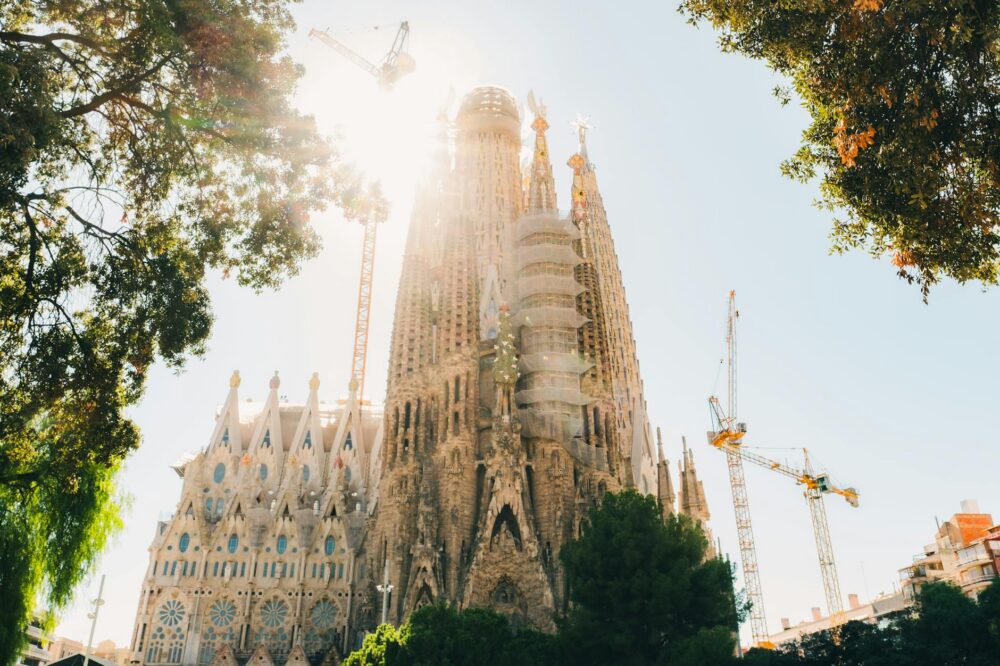
Planning a visit to Barcelona’s iconic Sagrada Familia is an exciting experience. As one of the most visited landmarks in Spain, this masterpiece by Antoni Gaudí attracts millions of tourists each year. However, before you step inside, it’s essential to understand what is the dress code for visiting Sagrada Familia. The basilica is an active Catholic church, and like many religious sites, it enforces a dress code to maintain respect and decorum. This guide will explain the rules in detail, offer practical tips, and ensure you have a smooth, respectful visit.
Why Does Sagrada Familia Have a Dress Code?
Sagrada Familia is not just a tourist attraction; it is a consecrated church where Mass is celebrated daily. The dress code is in place to honor the sacred nature of the space. Visitors are expected to dress modestly, covering shoulders and knees, and avoid clothing with offensive messages. Understanding what is the dress code for visiting Sagrada Familia is crucial to avoid being denied entry at the door.
Official Dress Code Rules
The official dress code for Sagrada Familia is straightforward. Here are the key requirements:
- Shoulders covered: Both men and women must cover their shoulders. No sleeveless tops, tank tops, or strapless dresses.
- Knees covered: Shorts, skirts, and dresses must reach at least the knee. Miniskirts and very short shorts are not permitted.
- No transparent clothing: Sheer fabrics that reveal undergarments or skin are not allowed.
- No beachwear: Swimsuits, bikinis, or flip-flops are prohibited.
- No hats or caps: Remove hats upon entering the basilica (religious headwear like hijabs is allowed).
- No offensive graphics or text: Clothing with inappropriate images or language is banned.
These rules apply to all visitors regardless of gender or age. If you arrive dressed inappropriately, you may be denied entry or asked to purchase a cover-up at the gift shop.
What to Wear: Recommended Attire
To ensure you meet the dress code, here are some outfit ideas:
For Men
- Long pants or knee-length shorts
- T-shirts or polo shirts with sleeves
- Lightweight button-down shirts
- Closed-toe shoes or sandals (no flip-flops)
For Women
- Dresses or skirts that cover the knees
- Long pants or capris
- Blouses or tops with sleeves (or bring a shawl)
- Comfortable shoes for walking
Layering is a smart strategy, especially in warmer months. A light jacket, cardigan, or scarf can help you cover up if needed.
What Not to Wear
Avoid these items to ensure entry:
- Sleeveless tops, tank tops, or spaghetti straps
- Shorts or skirts above the knee
- Beach sandals or flip-flops
- Hats (unless for religious reasons)
- Clothing with large logos or offensive prints
- Transparent or see-through fabrics
Dress Code for Special Events and Mass
If you plan to attend Mass at Sagrada Familia, the dress code is even stricter. For liturgical celebrations, formal attire is expected: suits or dress shirts for men, and modest dresses or skirts for women. Avoid casual wear like jeans or sneakers. Always remember that what is the dress code for visiting Sagrada Familia during Mass is more conservative than for general tourism.
Tips for Dressing Right
- Check the weather: Barcelona can be hot in summer, but the basilica is air-conditioned. Bring a light cover-up.
- Use a scarf or shawl: A versatile accessory that can cover shoulders or knees if needed.
- Wear comfortable shoes: You’ll be walking and standing for extended periods.
- Pack a spare outfit: If you plan to visit other sites, carry a change of clothes in your bag.
- Respect the rules: The dress code is enforced strictly. Don’t risk being turned away.
What Happens If You Don’t Follow the Dress Code?
If you arrive in clothing that violates the dress code, security may deny you entry. In some cases, you can purchase a disposable cover-up at the on-site gift shop, but availability is not guaranteed. It’s better to come prepared. Knowing what is the dress code for visiting Sagrada Familia beforehand saves time and disappointment.
Dress Code for Children
Children are also expected to follow the dress code. While enforcement may be more lenient for toddlers, older children should have shoulders and knees covered. Avoid letting kids wear tank tops or very short shorts.
Seasonal Considerations
Barcelona’s climate varies, so plan accordingly:
- Summer (June–September): Hot and humid. Wear lightweight, breathable fabrics that still cover shoulders and knees. Linen pants and cotton shirts are ideal.
- Winter (December–February): Mild but cool. Long pants and long sleeves are natural. A sweater or jacket will keep you warm and compliant.
- Spring/Fall: Pleasant temperatures. Layering works best.
Common Myths About the Dress Code
Let’s debunk some misconceptions:
- Myth: Only women need to cover up. Fact: The rules apply equally to all genders.
- Myth: You can wear shorts if they are long. Fact: Shorts must cover the knees; Bermuda shorts are fine.
- Myth: The dress code is not enforced. Fact: Security checks attire at the entrance.
Other Visitor Guidelines
Besides clothing, Sagrada Familia has other rules:
- No large bags or suitcases: Only small backpacks are allowed; larger bags must be stored in lockers.
- No food or drink inside: Consume snacks and beverages before entering.
- No flash photography: Flash can damage the artwork; use natural light.
- Silence your phone: Keep devices on silent mode.
Conclusion
Understanding what is the dress code for visiting Sagrada Familia is essential for a hassle-free experience. By dressing modestly—covering shoulders and knees, avoiding beachwear and hats—you show respect for this sacred space and ensure entry. Whether you’re visiting for tourism or attending Mass, planning your outfit in advance will let you focus on the breathtaking beauty of Gaudí’s masterpiece. Follow these guidelines, and you’ll have a memorable and respectful visit to one of the world’s most extraordinary churches.
Photo by Rajeev Singh on Pexels