Table des matières:
Introduction
Barcelona’s Jewish Quarter, known as El Call, is one of the city’s most historically rich neighborhoods. Tucked away in the Gothic Quarter, this labyrinth of narrow streets and ancient buildings offers a glimpse into the vibrant Jewish community that flourished here until the 14th century. Exploring El Call is like stepping back in time, but with so much to see, you might wonder: what are the best ways to explore Barcelona’s Jewish Quarter? This guide will walk you through the top methods, from guided tours to self-guided walks, ensuring you don’t miss any hidden gems.
Understanding El Call: A Brief History
Before diving into exploration tips, it’s helpful to understand the significance of El Call. The name “Call” comes from the Hebrew word “kahal,” meaning community. During the Middle Ages, Barcelona’s Jewish community thrived here, contributing to the city’s cultural and economic life. However, following the pogroms of 1391 and the Alhambra Decree of 1492, the neighborhood fell into decline. Today, El Call is a fascinating area where Jewish history is being rediscovered and preserved.
Top Ways to Explore Barcelona’s Jewish Quarter
1. Join a Guided Walking Tour
One of the best ways to explore Barcelona’s Jewish Quarter is with a knowledgeable guide. Guided tours provide context and stories that bring the ancient streets to life. Many tours focus specifically on Jewish history, covering key sites like the Sinagoga Major, the Call’s main synagogue, and the Museum of Jewish History. Look for tours led by local historians or Jewish cultural organizations for an authentic experience.
2. Self-Guided Walking Tour
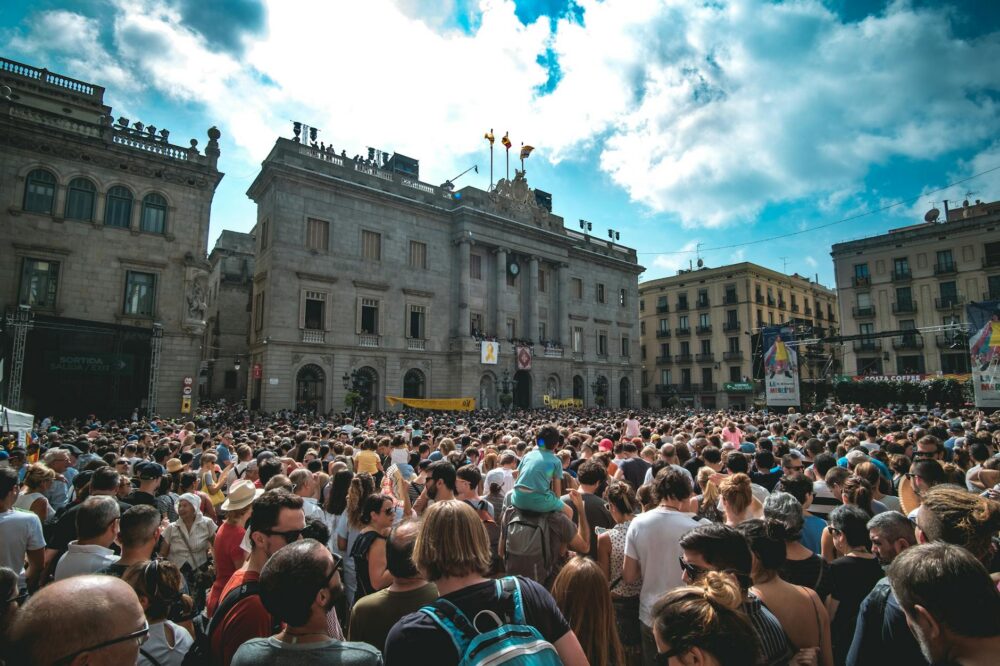
If you prefer to explore at your own pace, a self-guided tour is a great option. Start at the Plaça de Sant Jaume and head into the narrow alleys of El Call. Use a map or a dedicated app to find landmarks such as:
- Sinagoga Major (Major Synagogue) – One of the oldest synagogues in Europe, now a small museum.
- MUHBA El Call – The Museum of History of Barcelona’s Jewish Quarter, featuring artifacts and multimedia exhibits.
- Centre d’Interpretació del Call – An interpretation center that explains the history and daily life of the Jewish community.
- Plaça del Rei – A historic square where Jewish history intersects with Barcelona’s royal past.
3. Visit the MUHBA El Call Museum
The Museum of History of Barcelona (MUHBA) has a dedicated section for the Jewish Quarter. Located at the heart of El Call, this museum offers a deep dive into the neighborhood’s past. Exhibits include archaeological finds, medieval documents, and interactive displays. It’s an essential stop for anyone wanting to understand the Jewish heritage of Barcelona.
4. Explore the Sinagoga Major
The Sinagoga Major, discovered in the 20th century, is a must-visit. This ancient synagogue was hidden for centuries and is now open to the public. The small museum inside displays artifacts and explains the history of the Jewish community in Barcelona. Admission is affordable, and the intimate space offers a powerful connection to the past.
5. Walk the Streets and Look for Details
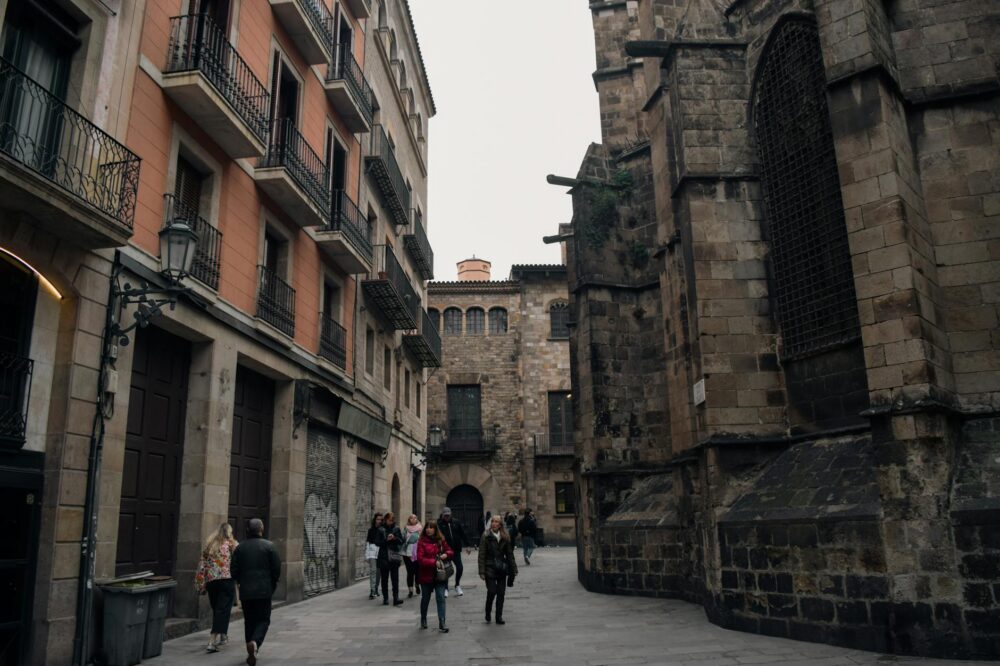
Simply wandering the streets of El Call is one of the best ways to explore Barcelona’s Jewish Quarter. Look for architectural details like Hebrew inscriptions on buildings, medieval arches, and narrow passageways. Pay attention to street names like Carrer del Call, Carrer de Sant Domènec del Call, and Carrer de Marlet. Each corner reveals layers of history.
6. Taste the Local Cuisine
Jewish cuisine has left its mark on Barcelona’s food scene. While traditional kosher restaurants are limited, you can find dishes inspired by Sephardic flavors. Try local specialties like berenjenas con miel (eggplant with honey) or almonds and honey pastries. Some restaurants in the area offer tapas with a Jewish twist, blending Catalan and Sephardic influences.
7. Attend Cultural Events and Festivals
Throughout the year, Barcelona hosts events that celebrate its Jewish heritage. The European Day of Jewish Culture in September is a highlight, with open doors to synagogues, guided tours, and cultural activities. Check local event calendars to see if your visit coincides with these special opportunities.
Practical Tips for Exploring El Call
Best Time to Visit
El Call is pleasant year-round, but spring and autumn offer mild weather and fewer crowds. Weekday mornings are ideal for a quieter experience. Avoid peak tourist hours (11 AM to 2 PM) if you prefer solitude.
How to Get There
The Jewish Quarter is centrally located in the Gothic Quarter. It’s easily accessible by metro (Liceu station on L3, Jaume I on L4) or by walking from Plaça de Catalunya. Wear comfortable shoes as the streets are cobblestone and uneven.
Combine with Other Attractions
El Call is close to other major sights like the Barcelona Cathedral, Plaça del Rei, and the Picasso Museum. Plan a half-day itinerary that includes the Jewish Quarter along with these nearby attractions for a rich cultural experience.
Hidden Gems in Barcelona’s Jewish Quarter
Beyond the main sites, El Call hides lesser-known treasures. Look for the Hebrew inscription on the wall of Carrer de Sant Domènec del Call, which dates back to the 13th century. Visit the Pati d’El Call, a peaceful courtyard that once served as a communal space. The Old Hospital de la Santa Creu near El Call also has Jewish connections, as it was built with contributions from the Jewish community.
Why Exploring El Call Matters
Understanding the history of Barcelona’s Jewish Quarter is essential to appreciating the city’s diverse past. The neighborhood stands as a testament to the contributions and resilience of the Jewish people. By exploring El Call, you help preserve its memory and support ongoing efforts to uncover and share this heritage.
Conclusion
So, what are the best ways to explore Barcelona’s Jewish Quarter? Whether you choose a guided tour, a self-guided walk, or a combination of museum visits and wandering, El Call offers a profound journey into history. From the ancient stones of the Sinagoga Major to the stories told at MUHBA, every step reveals a layer of Barcelona’s rich Jewish heritage. Take your time, soak in the atmosphere, and let the narrow alleys of El Call transport you to another era. Your exploration will not only enrich your understanding of Barcelona but also honor the memory of a community that shaped the city.
Photo by Evans Joel on Pexels