

Table des matières:
How Much Does It Really Cost to Live in Florence as a Student?
Florence, the heart of Tuscany, is a dream destination for students worldwide. But before you pack your bags, you need a realistic budget. The cost of living in Florence for students typically ranges from €800 to €1,200 per month, depending on your lifestyle, housing choices, and spending habits. This guide breaks down every expense so you can plan your finances like a pro.
Rent and Accommodation: Your Biggest Expense
Housing is the largest chunk of your budget. In Florence, student accommodation options include shared apartments, private studios, and university dormitories. Prices vary by location and quality.
Shared Apartments (Flatmates)
Sharing a flat with other students is the most common and affordable choice. You’ll have your own room and share common areas. Expect to pay:
- City center (e.g., San Lorenzo, Duomo): €500–€700 per room per month
- Outskirts (e.g., Rifredi, Novoli, Campo di Marte): €350–€500 per room
Always check if utilities (electricity, gas, water, internet) are included. If not, add €50–€80 per month.
Private Studios and Apartments
If you prefer solitude, a studio or one-bedroom apartment costs €700–€1,100 per month. This option is convenient but significantly more expensive.
University Dormitories
DSU Toscana (regional scholarship body) offers subsidized dorm rooms for eligible students. Prices range from €150–€350 per month, but availability is limited and requires financial need or merit.
| Housing Type | Monthly Cost (€) | Pros | Cons |
|---|---|---|---|
| Shared room (outskirts) | 350–500 | Affordable, social | Commute time |
| Shared room (center) | 500–700 | Central location | Higher rent |
| Private studio | 700–1,100 | Privacy, independence | Expensive, utilities extra |
| University dorm (DSU) | 150–350 | Low cost, community | Competitive, limited spots |
Food and Groceries: Eating Well on a Student Budget
Italian cuisine is a big part of the experience. A student can eat well without overspending. Average monthly grocery costs are €150–€250. Here’s a breakdown:
- Supermarket staples (Conad, Coop, Lidl): €150–€200 for basic items
- Eating out: A pizza or pasta dish at a casual restaurant: €10–€15. A student menu (pranzo studentesco) can be €7–€10.
- Mercato Centrale: Great for fresh produce, but prices are slightly higher.
Pro tip: Cook at home most days. Visit local markets like Sant’Ambrogio for cheaper fruits and vegetables. Also, many bars offer a cappuccino and pastry for €2–€3.
Transportation: Getting Around Florence
Florence is compact and walkable, but you may need public transport for daily commutes. The city’s bus network (ATAF) and tram lines are efficient.
- Monthly student bus pass: €35 (discounted for under-26s)
- Single ticket: €1.50 (valid 90 minutes)
- Annual pass: €340 (if you commute regularly)
Many students walk or bike. Bike-sharing services like Mobike cost about €0.50 per 30 minutes. A new bike costs around €100–€200.
Health Insurance and University Fees
Non-EU students must have health insurance. EU students can use the European Health Insurance Card (EHIC).
- Private health insurance: €150–€300 per year
- University tuition fees: Vary widely. Public universities charge based on family income (ISEE). For example, University of Florence fees range from €156 to €2,500 per year. Private universities like IED or Polimoda cost €8,000–€20,000 annually.
Scholarships (like DSU or regional grants) can cover tuition and provide a monthly stipend of up to €5,000 per year.
Utilities and Internet
If not included in rent, utilities add up:
- Electricity, gas, water: €50–€100 per month (shared apartment split)
- Internet: €20–€30 per month (often shared)
- Phone plan: €10–€20 per month (e.g., Iliad, Vodafone)
Mistakes to Avoid When Budgeting in Florence
- Underestimating rent: Always have a buffer. Security deposits are usually 2–3 months’ rent.
- Eating out too often: It’s tempting, but it drains your budget quickly.
- Ignoring student discounts: Many museums, galleries, and transport offer reduced rates with a student ID.
- Forgetting about annual costs: Resident permit renewal (€70–€100) and visa fees add up.
Sample Monthly Budget for a Student in Florence
| Expense Category | Low Budget (€) | Mid Budget (€) |
|---|---|---|
| Rent (shared room) | 400 | 550 |
| Utilities & internet | 60 | 80 |
| Groceries | 150 | 200 |
| Eating out | 50 | 100 |
| Transport | 35 | 35 |
| Phone | 15 | 20 |
| Health insurance | 15 | 25 |
| Leisure & misc | 50 | 100 |
| Total | 775 | 1,110 |
How to Save Money as a Student in Florence
- Get a scholarship: DSU Toscana offers housing, meals, and cash based on income and merit.
- Use student canteens: University mensa meals cost €3.50–€6 for a full lunch.
- Buy second-hand: Check Facebook groups for used furniture, books, and bikes.
- Travel smart: Use FlixBus or Italo for weekend trips; book early.
- Work part-time: Non-EU students can work up to 20 hours per week. Average pay is €8–€10 per hour in cafes, retail, or tutoring.
Frequently Asked Questions
Is Florence expensive for students compared to other Italian cities?
Florence is more expensive than smaller cities like Pisa or Bologna but cheaper than Milan or Rome. Rent is the main difference.
How much money do I need per month as a student in Florence?
Between €800 and €1,200, depending on housing and lifestyle. A frugal student can survive on €700.
Can I work part-time as an international student in Florence?
Yes, non-EU students with a valid residence permit can work up to 20 hours per week. EU students have no restrictions.
What is the cheapest area to live in Florence for students?
Novoli, Rifredi, and Campo di Marte offer lower rents. They are well-connected by bus and tram.
Are there student discounts for museums and attractions in Florence?
Yes, many museums offer reduced entry (€2–€5) for EU students under 26. The Uffizi Gallery, for example, costs €6 for students.
Do I need to pay for health insurance as a student in Florence?
EU students with EHIC are covered. Non-EU students must have private insurance (€150–€300/year) or register with the Italian national health service (SSN) for about €150/year.
Plan Your Budget and Enjoy Florence
Understanding the cost of living in Florence for students is the first step to a stress-free study abroad experience. With careful planning, you can enjoy Renaissance art, delicious food, and vibrant student life without breaking the bank. Start by tracking your expenses, apply for scholarships, and embrace local habits like cooking at home and walking. Florence is not just a city to study in—it’s a place to live fully. Buona fortuna!
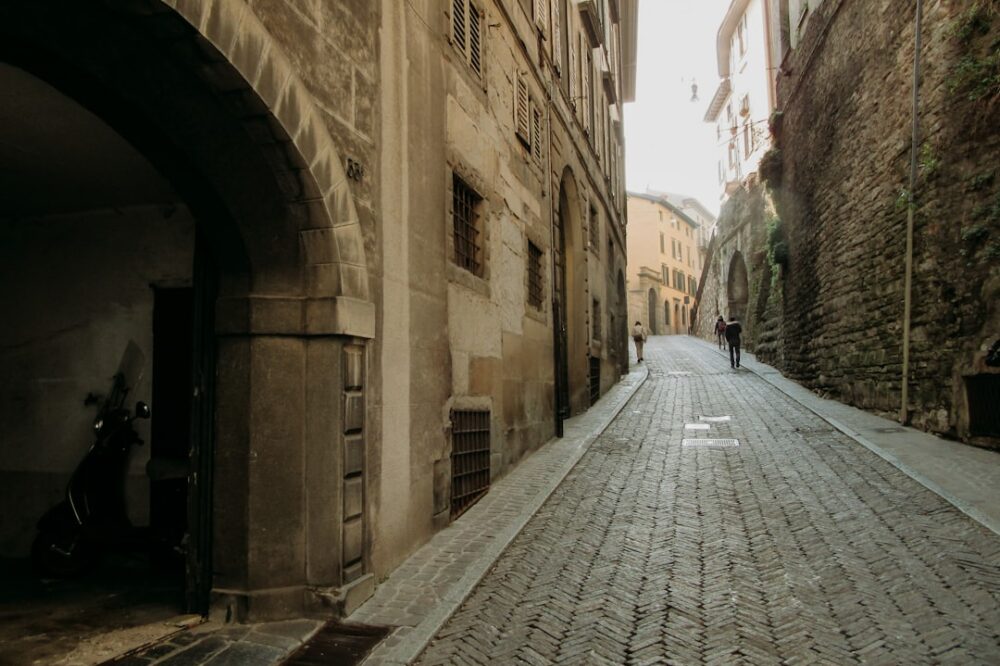
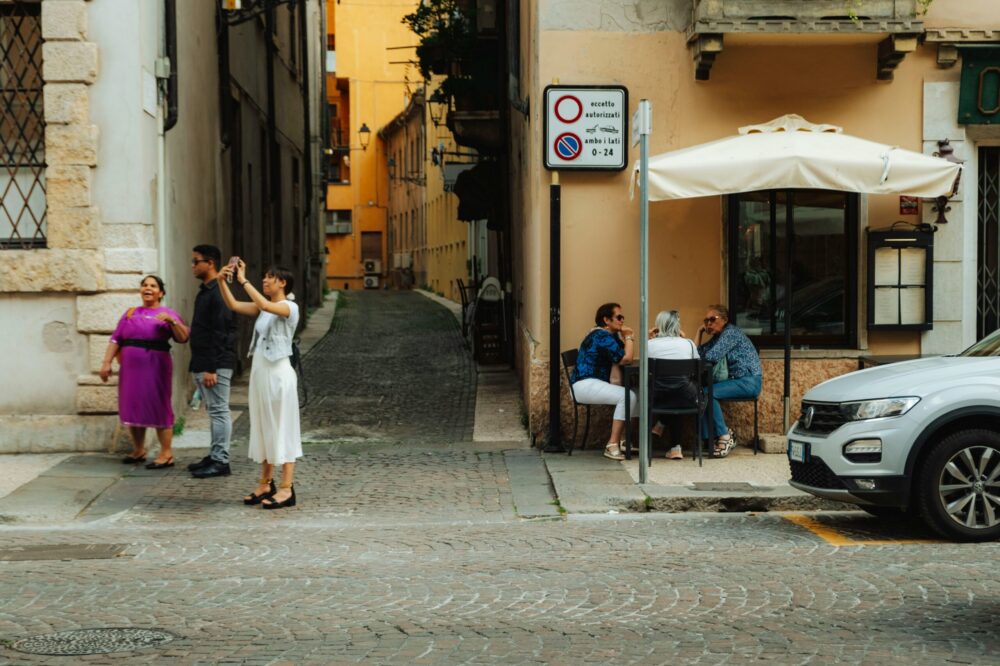
Photo by Wolfgang Weiser on Pexels


Do I really need a bus pass if the city is walkable? I’ll be living near the university.
If your university and daily spots are within a 20–30 minute walk, you may not need a bus pass. Many students walk everywhere. However, if you plan to explore the outskirts or need to get home late, having a few single tickets (€1.50 each) handy is useful. The monthly pass is worth it only if you use the bus more than 23 times a month.
Thanks for the breakdown! I’m planning to study abroad in Florence next year. Could you clarify if the €800–€1,200 monthly budget includes tuition fees or just living expenses?
Great question! The €800–€1,200 range covers only living expenses (rent, food, transport, etc.). Tuition fees are separate and vary by university and your nationality. For EU students, fees are typically low (around €1,000–€2,000 per year), while non-EU students might pay higher fees. Be sure to check your university’s website for exact amounts.
I’m a vegetarian. Are groceries still affordable in Florence?
Absolutely! Vegetarian staples like pasta, rice, vegetables, legumes, and cheese are cheap in supermarkets. Visit local markets like Sant’Ambrogio for fresh produce at good prices. You can easily keep your grocery bill under €200/month. Many student menus also offer vegetarian options (e.g., pasta with tomato sauce or eggplant parmesan).
Is it realistic to find a shared room in the city center for €500? Most listings I see online are higher.
€500 is on the lower end for a central shared room, but it is possible if you search early (June–July for October start) or find a smaller room. Prices have risen, so expect €550–€650 on average. Check Facebook groups like ‘Affitti Studenti Firenze’ and be ready to act fast. Also, consider areas just outside the center like San Frediano or Sant’Ambrogio—still walkable and slightly cheaper.
I heard that the DSU dorms are really hard to get. What are the exact eligibility criteria?
Yes, DSU dorm spots are limited and competitive. Eligibility is based on financial need (ISEE below a certain threshold) and academic merit. You need to apply through the DSU Toscana portal before the deadline (usually in summer). Even if you qualify, there’s no guarantee, so it’s wise to have backup housing options.