
Table des matières:
A Legacy of Learning in the Heart of the Renaissance
Founded in 1321, the University of Florence (Università degli Studi di Firenze) is one of Italy’s oldest and most prestigious universities. But what exactly is the University of Florence known for today? The answer spans centuries of academic excellence, from its deep roots in the humanities to cutting-edge scientific research. Located in the cradle of the Renaissance, this university offers a unique blend of history, innovation, and international outlook. Whether you’re considering studying abroad, researching Italian higher education, or simply curious, this guide unpacks everything the University of Florence is famous for.
Historic Prestige and Renaissance Roots
The University of Florence’s long history is itself a hallmark. It was established by the Florentine Republic and has evolved through centuries of political and cultural change. Its historic buildings, many located in the heart of Florence, are living museums. The university’s central location near the Duomo and Piazza della Signoria means students study steps away from masterpieces by Michelangelo, Leonardo da Vinci, and Botticelli. This environment fosters a unique academic atmosphere where art, history, and scholarship intertwine.
Academic Continuity Since 1321
Over 700 years of continuous operation place it among the oldest universities globally. This longevity isn’t just symbolic; it reflects a sustained commitment to knowledge. The university has hosted luminaries like Galileo Galilei and the poet Petrarch. Today, it maintains that tradition by offering programs that honor its past while embracing the future.
Top-Ranked Programs and Research Strengths
The University of Florence is known for specific academic fields that consistently rank among the best in Italy and Europe. Its research output is substantial, with strong international collaborations.
Humanities and Social Sciences
Unsurprisingly, the humanities are a cornerstone. The university excels in:
- History and Archaeology: Leveraging Florence’s rich past, the university offers exceptional programs in medieval and Renaissance history, as well as Etruscan and Roman archaeology.
- Art History and Conservation: Students have direct access to world-class museums and archives. The university is a leader in art restoration and heritage management.
- Literature and Philosophy: Italian studies and comparative literature benefit from the city’s literary heritage (Dante, Boccaccio).
- Political Science and International Relations: With a focus on European integration and global governance, these programs attract international students.
Science, Technology, Engineering, and Mathematics (STEM)
Beyond the humanities, the University of Florence is a powerhouse in STEM fields:
- Chemistry and Pharmacy: The university has a strong tradition in pharmaceutical sciences, with research in drug discovery and development.
- Physics and Astronomy: The Arcetri Astrophysical Observatory, affiliated with the university, is famous for studies in solar physics and cosmology.
- Engineering: Civil, mechanical, and environmental engineering programs are highly regarded, with projects in sustainable design and smart cities.
- Biology and Biotechnology: Research in molecular biology, genetics, and biodiversity is internationally recognized.
Medicine and Health Sciences
The university’s medical school, part of the Careggi University Hospital, is one of Italy’s largest and most advanced. It is known for:
- Clinical Research: Especially in oncology, cardiology, and neurology.
- Surgical Innovation: Minimally invasive techniques and transplant surgery.
- Public Health: Programs focusing on epidemiology and health policy.
International Outlook and Student Life
The University of Florence is known for its vibrant international community. It hosts thousands of exchange students each year through Erasmus+ and bilateral agreements with universities worldwide. English-taught programs have expanded, making it accessible to non-Italian speakers. The university offers a range of master’s and PhD programs in English, particularly in economics, engineering, and the sciences.
Student Life in Florence
Living in Florence is an integral part of the experience. The city itself is a classroom. Students enjoy:
- Cultural immersion: Endless museums, galleries, and historical sites.
- Vibrant social scene: Cafés, piazzas, and student associations.
- Affordable living: Compared to other Italian cities like Milan or Rome, Florence offers a reasonable cost of living.
- Central location: Easy travel to other Italian cities and Europe.
Notable Alumni and Contributions
The university’s alumni include influential figures across disciplines. Some notable names:
- Giovanni Spadolini: Former Prime Minister of Italy and historian.
- Margherita Hack: Renowned astrophysicist and science communicator.
- Mario Draghi: Former European Central Bank President and Prime Minister of Italy (studied at the University of Florence before graduating from La Sapienza).
- Pietro Annigoni: Famous portrait painter.
Research Impact and Global Rankings
The University of Florence is consistently ranked among the top 200-300 universities worldwide by QS and THE. Its research impact is particularly strong in arts and humanities, where it often ranks in the top 100 globally. The university is a member of the Coimbra Group, a network of long-established European universities, and participates in numerous EU-funded research projects.
Key Research Areas



| Field | Notable Research |
|---|---|
| Cultural Heritage | Conservation science, digital humanities |
| Climate Science | Climate change impacts on Mediterranean ecosystems |
| Nanotechnology | Nanomaterials for energy and medicine |
| Neuroscience | Brain imaging and neurodegenerative diseases |
Practical Information for Prospective Students
If you’re considering applying, here’s what you need to know:
Admission Requirements
- Bachelor’s programs: High school diploma with specific subject prerequisites. For Italian-taught programs, B2 Italian is required. For English-taught programs, IELTS 6.0 or equivalent.
- Master’s programs: Bachelor’s degree in a related field. English proficiency for English-taught programs.
- PhD programs: Master’s degree and research proposal. Competitive selection.
Tuition and Scholarships
Tuition fees are based on family income, ranging from approximately €1,000 to €3,000 per year for EU students, and slightly higher for non-EU. The university offers scholarships through the DSU Toscana regional agency, which provides financial aid, free accommodation, and meal vouchers based on merit and income.
Accommodation
Students can apply for university residences or find private housing. The university’s housing office assists with listings. Average rent for a single room ranges from €400 to €600 per month.
Frequently Asked Questions
Is the University of Florence good for international students?
Yes. The university has a dedicated International Office, offers many courses in English, and has a large international student community. Florence is a safe, welcoming city with excellent quality of life.
What is the University of Florence known for in the sciences?
It is known for chemistry, physics (especially astrophysics), biology, and engineering. Its research in cultural heritage science and conservation is world-leading.
Does the University of Florence offer programs in English?
Yes. At the master’s level, many programs are taught entirely in English, including in economics, engineering, and natural sciences. Some bachelor’s programs also have English-taught tracks.
How does the University of Florence rank compared to other Italian universities?
It is consistently among the top 5-10 Italian universities, often ranking after La Sapienza (Rome), University of Bologna, and University of Milan. In humanities, it often ranks first or second.
What is the campus like?
The university does not have a single campus; its departments are spread across Florence. The main administrative buildings are in the historic center, while science departments are in the Sesto Fiorentino area. This allows students to experience the city fully.
Can I study art history at the University of Florence?
Absolutely. Art history is one of its strongest programs, with direct access to archives, museums, and restoration labs. The university collaborates with the Uffizi Gallery and other institutions.
Making the Most of Your Time at the University of Florence
To truly benefit from studying here, immerse yourself in the city’s cultural offerings. Join student clubs, attend lectures at the European University Institute (just across the Arno), and explore Tuscany’s countryside. The university’s career service offers internships with local companies and international organizations. Remember that the University of Florence is not just a place to earn a degree; it’s a gateway to understanding the roots of Western civilization while preparing for a global future.
Whether you are drawn by its Renaissance legacy, its research excellence, or its vibrant student life, the University of Florence offers a unique educational experience. Its reputation is built on centuries of scholarship, and it continues to evolve as a modern, international institution. If you value a blend of tradition and innovation, this university might be the perfect fit.
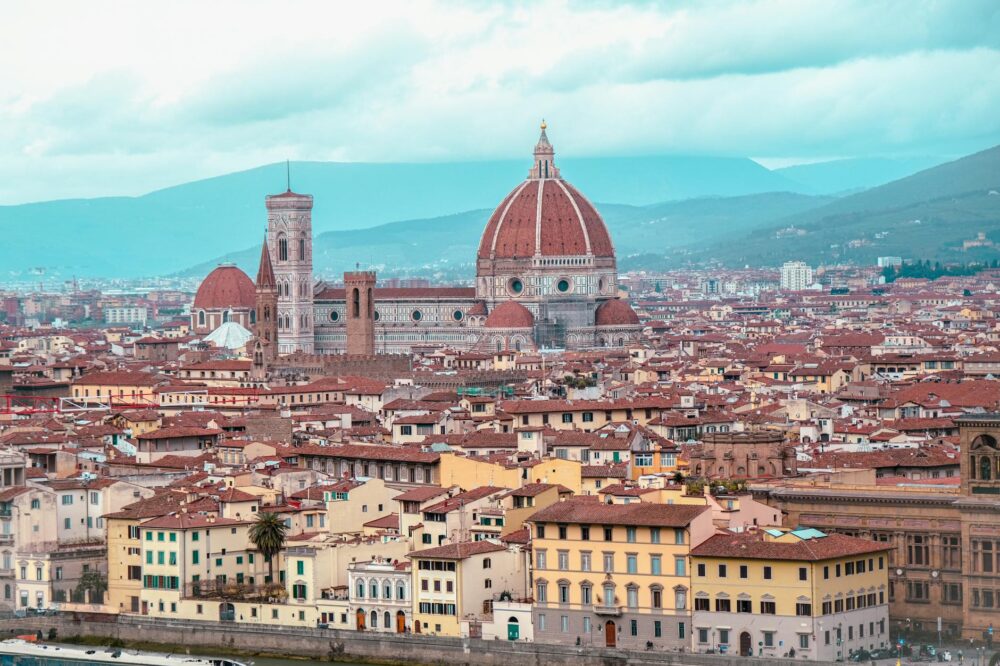
Photo by fahri tokcan on Pexels




I read that the university has strong STEM programs, but how does it compare to other Italian universities like Bologna or Milan for physics?
The University of Florence’s physics department is particularly renowned for astrophysics, thanks to the Arcetri Astrophysical Observatory. While Bologna and Milan have strong programs too, Florence’s focus on astronomy and its historic ties to Galileo give it a unique edge. For general physics, all three are excellent, but Florence stands out in astrophysics and cosmology.
The article mentions the university’s location near the Duomo. Are the main campuses actually in the historic center, or are they spread out?
The University of Florence has multiple campuses. The humanities and social sciences faculties are indeed in the historic center, near the Duomo and Piazza della Signoria. Science and engineering departments are mainly in the Sesto Fiorentino area, a short bus ride from the center. So while not all are in the core historic district, many key buildings are.
I’m a history buff and love the Renaissance. Do you know if the university offers any courses specifically on the Medici family?
Absolutely! The University of Florence offers courses on Renaissance history that cover the Medici family extensively. For example, the History Department has modules like ‘Florence and the Medici’ and ‘Renaissance Political Thought.’ You can also access archives and libraries with primary sources. It’s a fantastic place for Medici enthusiasts.
This guide is thorough! One thing I didn’t see: does the University of Florence have good student housing options for internationals?
The university provides some dormitories and can help with finding private accommodation through its housing office. There are also student cooperatives and private rentals. Demand is high, so apply early. Many students find apartments near the center or in the Campo di Marte area. The cost is reasonable compared to other Italian cities.
Is the University of Florence expensive for international students? I’m from the US and trying to budget.
Tuition at the University of Florence is quite affordable compared to US universities. For international students, fees are based on family income and country of origin, typically ranging from €1,000 to €2,500 per year. There are also scholarships and fee waivers. Living costs in Florence can be moderate, but careful budgeting is advised.
I’m worried about the language barrier. Do professors speak English, especially in non-STEM fields?
In English-taught programs, all lectures are in English. For Italian-taught courses, many professors understand English and can help, but fluency varies. The university offers Italian language courses for international students. It’s a good idea to learn some Italian to enhance your experience, but in most academic settings, communication is manageable.
This article really helped me understand what the University of Florence is known for. I’m considering applying for a master’s in art history. Does the university offer any programs taught in English?
Yes, the University of Florence offers several English-taught programs at the master’s level, including in areas like Art History, Economics, and Engineering. For art history specifically, check their MA in Archaeology, Art History, and Heritage Management, which is taught in English. The application details are on their international admissions page.