
Table des matières:
What is the Cheapest City to Visit in Europe? A Comprehensive Guide
Planning a European vacation on a tight budget? You’re not alone. Many travelers wonder: what is the cheapest city to visit in Europe? The answer depends on your travel style, but several cities consistently rank as the most affordable. In this guide, we’ll explore the cheapest cities to visit in Europe, what makes them budget-friendly, and how you can save even more.
Why Visit Budget-Friendly European Cities?
Traveling to Europe doesn’t have to break the bank. Affordable destinations allow you to experience rich history, stunning architecture, and local cuisine without overspending. By choosing a cheap city, you can stretch your travel budget further and even extend your trip.
Benefits of Choosing an Affordable European Destination
- More value for your money: Accommodation, food, and attractions cost significantly less.
- Less tourist crowds: Budget cities often attract fewer travelers, offering a more authentic experience.
- Opportunity to explore longer: With lower daily costs, you can stay for weeks instead of days.
Top Contenders for the Cheapest City to Visit in Europe
Several cities vie for the title of cheapest city to visit in Europe. Based on cost of living, accommodation prices, and free attractions, here are the top budget-friendly destinations.
1. Kraków, Poland
Kraków is often cited as the cheapest city to visit in Europe. With its stunning medieval Old Town, affordable dining, and low-cost accommodation, it’s a favorite among budget travelers. A meal at a local restaurant costs around $8-12, and hostels start at $15 per night.
Why Kraków is Affordable
- Cheap public transportation: Trams and buses cost less than $1 per ride.
- Free attractions: Walk the Royal Road, explore Wawel Castle grounds, and visit the Market Square.
- Low-cost day trips: Auschwitz-Birkenau and Wieliczka Salt Mine are budget-friendly excursions.
2. Budapest, Hungary
Budapest is another strong candidate for the cheapest city to visit in Europe. Known for its thermal baths and ruin bars, the Hungarian capital offers incredible value. A three-course meal for two costs around $30, and accommodation averages $40 per night.
Budget Tips for Budapest
- Visit the thermal baths in the evening for discounted rates.
- Explore the Buda Castle and Fisherman’s Bastion for free.
- Use the city’s affordable public transport or walk.
3. Sofia, Bulgaria
Sofia is often overlooked but is one of the cheapest cities to visit in Europe. Accommodation can be found for as low as $20 per night, and a meal costs under $10. The city is rich in history with many free attractions like the Alexander Nevsky Cathedral.
What Makes Sofia Budget-Friendly
- Low-cost hostels and Airbnb options.
- Inexpensive local food: Try banitsa and shopska salad.
- Free walking tours and museums with cheap entry fees.
4. Belgrade, Serbia
Belgrade is a vibrant city with a low cost of living. It’s one of the cheapest cities to visit in Europe for nightlife and culture. A beer costs around $2, and hostel dorm beds start at $12.
How to Save in Belgrade
- Stay in the Skadarlija district for affordable accommodation.
- Visit the Kalemegdan Fortress for free.
- Eat at local bakeries and markets.
5. Bucharest, Romania
Bucharest is often called the “Little Paris” of the East and is among the cheapest cities to visit in Europe. Accommodation averages $30-40 per night, and a meal costs $8-12. The Palace of the Parliament is a must-see with affordable tours.
Bucharest on a Budget
- Use the metro, which is very cheap.
- Explore the Old Town’s free attractions.
- Visit the Village Museum for a small fee.
Comparing Costs: Which City is Truly the Cheapest?
To determine the cheapest city to visit in Europe, we compared average daily costs including accommodation, food, transport, and attractions. Based on recent data, Kraków, Poland often takes the top spot, with daily expenses as low as $30-40 per person. However, Sofia and Belgrade are close contenders, especially for budget travelers.
Average Daily Budget for Each City
- Kraków: $35-45
- Budapest: $40-50
- Sofia: $30-40
- Belgrade: $30-40
- Bucharest: $35-45
How to Save Even More on Your European Trip
Regardless of which cheap city you choose, these tips will help you maximize your budget.
Travel During Off-Peak Seasons
Visiting in spring or fall can significantly reduce costs. Prices for flights and accommodation drop, and attractions are less crowded.
Use Public Transportation
Most budget-friendly cities have efficient and cheap public transport. Consider buying multi-day passes for unlimited travel.
Eat Like a Local
Avoid touristy restaurants. Instead, eat at local markets, street food stalls, or grocery stores. This can cut your food costs by half.
Book Accommodation Wisely
Hostels, guesthouses, and Airbnb are often cheaper than hotels. Look for places with kitchen facilities to save on meals.
Take Free Walking Tours
Many cities offer free walking tours led by locals. They provide great insights and are tip-based, so you pay what you can.
Other Affordable European Cities Worth Considering
If you’re flexible, consider these other cheap destinations:
- Prague, Czech Republic: Beautiful but slightly more expensive than Kraków.
- Riga, Latvia: Affordable with a charming Old Town.
- Valletta, Malta: Low-cost Mediterranean destination.
- Lisbon, Portugal: More expensive than Eastern Europe but still budget-friendly.
Final Thoughts on the Cheapest City to Visit in Europe
When asking what is the cheapest city to visit in Europe?, the answer varies based on your preferences. However, Kraków consistently ranks as the most affordable overall. Whether you choose Kraków, Sofia, or Belgrade, you’ll enjoy a rich cultural experience without breaking the bank. Remember to plan ahead, travel off-season, and embrace local experiences to stretch your budget further. Happy travels!
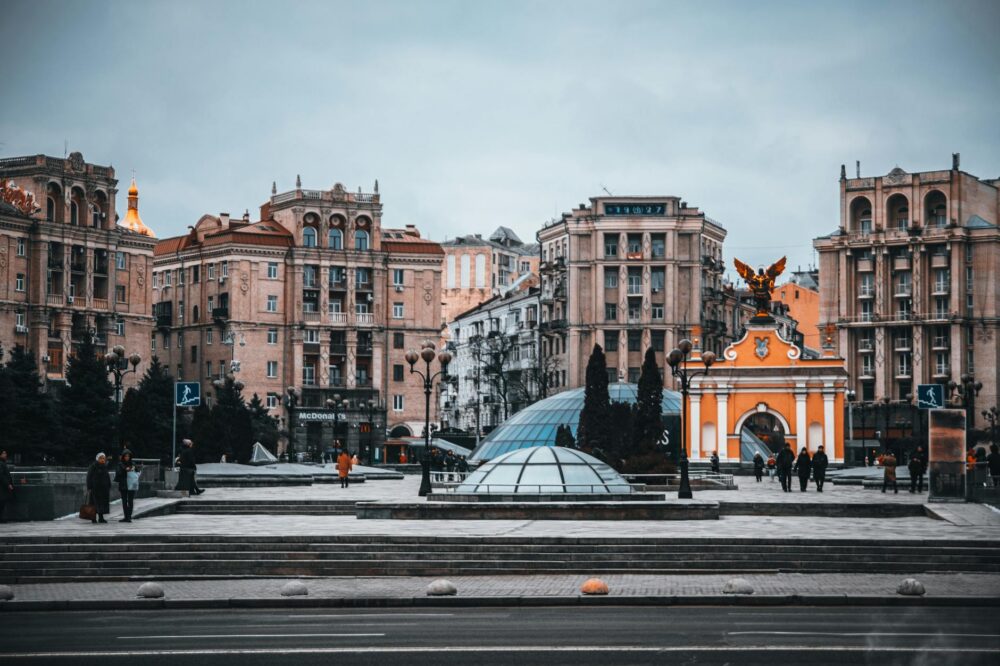
Photo by Max Kladitin on Pexels

Great list! I’m planning a trip to Europe next summer and trying to keep costs down. Between Kraków and Sofia, which one would you recommend for a solo traveler interested in history and good food?
For history and food, Kraków is hard to beat. Its medieval Old Town and Jewish Quarter are rich in history, and Polish cuisine like pierogi and zapiekanka is delicious and cheap. Sofia also has great history (e.g., Alexander Nevsky Cathedral) and affordable local dishes like banitsa, but Kraków offers more guided tours and free walking tours that are solo-traveler friendly. Both are safe and budget-friendly, so you can’t go wrong!
I’ve been to Budapest and loved it, but I found it slightly more expensive than I expected. Are there any hidden gems in Budapest that are truly cheap or free?
Absolutely! For free attractions, explore the Buda Castle grounds (the palace itself has a fee, but the grounds and views are free), walk across the Chain Bridge, and visit the Great Market Hall (just browsing). For cheap eats, try langos (fried dough) from street stalls or fill up at a local bistro for under $10. Also, consider a free walking tour (tip-based) to learn the city’s history without spending much.