
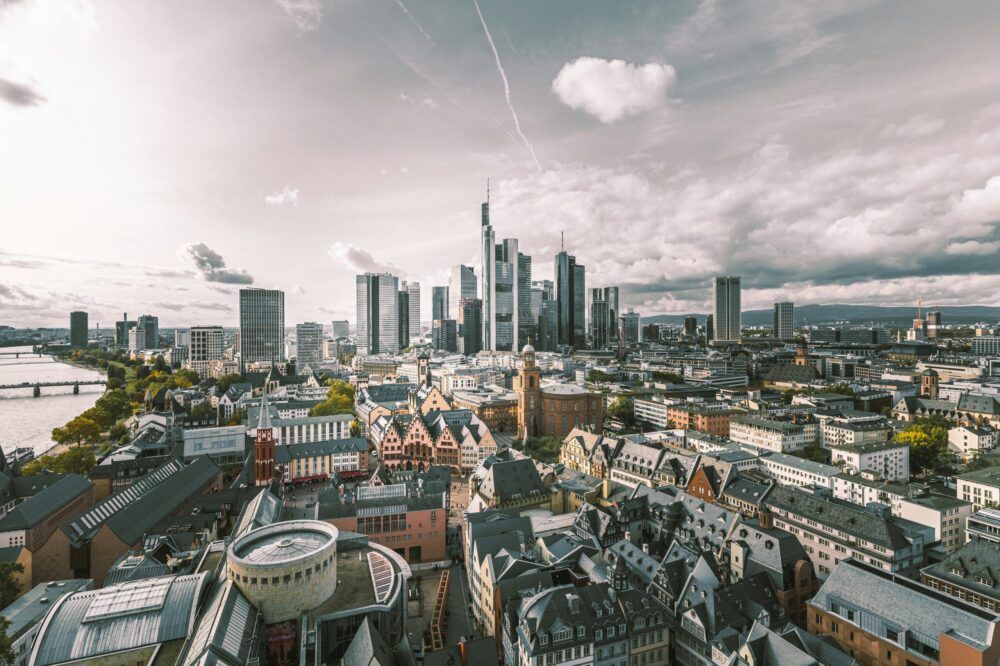
Germany is known for its strong economy, high quality of life, and vibrant culture. However, living costs can vary dramatically between cities. If you’re wondering what are the cheapest cities in Germany?, you’re not alone. Many students, remote workers, and families seek affordable places to live without sacrificing amenities. In this guide, we explore the most budget-friendly German cities, breaking down rent, groceries, transportation, and entertainment costs. Whether you’re planning a move or just curious, this comprehensive analysis will help you find the best value destinations.
Table des matières:
Why Choose a Cheap City in Germany?
Living in an affordable city offers numerous benefits: lower rent, cheaper dining, and more disposable income. Cheaper cities often have a strong sense of community and less competition for housing. Moreover, many affordable cities are cultural hubs with excellent universities and job opportunities. For international students and expats, choosing a budget-friendly location can significantly reduce financial stress.
Top 10 Cheapest Cities in Germany
1. Leipzig – The Rising Star
Leipzig is often cited as one of the cheapest major cities in Germany. With a vibrant arts scene and growing economy, it attracts young professionals and families alike. Average rent for a one-bedroom apartment in the city center is around €600-€700 per month. Groceries and dining are also very affordable. Leipzig offers excellent value for money, especially when compared to Berlin or Munich.
2. Dresden – Baroque Beauty on a Budget
Dresden combines stunning architecture with low living costs. Rent for a one-bedroom apartment averages €500-€650. Public transport is inexpensive, and cultural attractions like the Zwinger Palace offer free or cheap entry. Dresden is ideal for history lovers and students.
3. Chemnitz – Industrial Charm
Chemnitz is one of the cheapest cities in Germany, with rents as low as €400-€500 for a one-bedroom. The city has a strong industrial heritage and a growing tech scene. While it may lack the glamour of other cities, its low cost of living makes it attractive for budget-conscious individuals.
4. Halle (Saale) – Student-Friendly
Halle is home to Martin Luther University, making it a popular student destination. Rent averages €450-€550. The city has a lively cultural calendar and affordable eateries. Halle is perfect for students seeking a low-cost, vibrant environment.
5. Magdeburg – Affordable and Green
Magdeburg offers plenty of green spaces and a low cost of living. Rent for a one-bedroom is around €500-€600. The city has a growing economy and good public transport. It’s a great choice for families who want space without high costs.
6. Gelsenkirchen – Ruhr Region Value
Part of the Ruhr area, Gelsenkirchen is known for its affordable housing. Rent can be as low as €400-€500. The city has good connections to other Ruhr cities and offers many parks. It’s ideal for workers in the industrial sector.
7. Duisburg – Multicultural and Cheap
Duisburg is one of the cheapest cities in Germany, with rents averaging €450-€600. It has a large port and a diverse population. The city offers affordable dining and entertainment, making it a good option for budget-minded expats.
8. Essen – Culture Without the Price Tag
Essen was once a coal-mining hub but now boasts a rich cultural scene. Rent for a one-bedroom is around €550-€700. The city has many museums and parks, many of which are free. Essen is a hidden gem for affordable urban living.
9. Bielefeld – Small City, Low Costs
Bielefeld is a mid-sized city with a low cost of living. Rent averages €500-€650. The city is known for its university and tech industry. It’s a peaceful, affordable option for students and professionals.
10. Wuppertal – Unique and Budget-Friendly
Wuppertal is famous for its suspended monorail. Rent is low, around €450-€600. The city has a strong cultural identity and many green areas. It’s an affordable choice for those seeking a unique German experience.
Cost of Living Breakdown: What to Expect
Rent and Utilities
Rent is the biggest expense. In the cheapest cities, you can find a one-bedroom apartment for €400-€700. Utilities (electricity, heating, water) add around €150-€250 per month. Internet costs about €30-€40.
Groceries and Dining
Monthly grocery costs for one person range from €150-€250. Discount supermarkets like Aldi, Lidl, and Netto keep prices low. Eating out at a budget restaurant costs €8-€12 per meal.
Transportation
Public transport is efficient and affordable. A monthly pass costs between €50-€90 in smaller cities. Many cities offer discounted student and senior tickets.
Healthcare and Insurance
Health insurance is mandatory. Public insurance costs around €100-€200 per month for employees. Students pay about €110. Private insurance can be cheaper for some.
How to Find Affordable Housing in Cheap German Cities
Finding a cheap apartment requires research. Use platforms like ImmobilienScout24, WG-Gesucht, and local Facebook groups. Be flexible with location—suburbs are cheaper. Consider shared apartments (WG) to save money. Act quickly, as affordable units get snatched up fast.
Job Opportunities in Affordable Cities
Cheaper cities often have growing job markets. Leipzig and Dresden have strong tech and creative sectors. Chemnitz and Magdeburg have manufacturing jobs. The Ruhr cities offer logistics and service positions. Remote work is also popular, allowing you to earn higher salaries while living cheaply.
Quality of Life in Germany’s Cheapest Cities
Low cost doesn’t mean low quality. These cities have excellent public transport, green spaces, and cultural activities. Safety is high across Germany. You’ll find good schools, healthcare, and a high standard of living. Many affordable cities are also close to nature, offering hiking and cycling opportunities.
Tips for Moving to a Cheap German City
- Learn basic German: While English is common, knowing German helps with bureaucracy and social life.
- Register your address: You must register at the local Bürgeramt within two weeks of moving.
- Open a German bank account: This makes paying rent and bills easier.
- Get health insurance: You need proof of insurance for registration.
- Explore the city: Take advantage of free walking tours and student discounts.
Frequently Asked Questions About the Cheapest Cities in Germany
Is it cheaper to live in East Germany?
Generally, yes. Cities in the former East Germany, like Leipzig, Dresden, and Chemnitz, have lower rents and living costs compared to western cities like Munich or Frankfurt.
What is the cheapest city in Germany for students?
Halle (Saale) and Chemnitz are among the cheapest for students, with low rents and many student discounts. Leipzig is also popular due to its vibrant student life.
Can I live in Germany on €800 per month?
Yes, in the cheapest cities. With careful budgeting, you can cover rent, food, transport, and health insurance. However, it’s tight—aim for €900-€1,000 for comfort.
Which German city has the lowest rent?
Chemnitz and Gelsenkirchen often have the lowest rents, with one-bedroom apartments starting around €400.
Final Thoughts on Affordable Living in Germany
Germany offers excellent opportunities for budget-friendly living without compromising on quality. Whether you choose Leipzig for its culture, Dresden for its beauty, or Chemnitz for its low costs, you’ll find a welcoming environment. What are the cheapest cities in Germany? The answer depends on your priorities, but this guide highlights the best options. Start your research today and discover how affordable German living can be.
Disclaimer: Prices are approximate and may vary. Always check current listings and official sources for accurate data.



I’m a student planning to study in Germany next year. Which of these cities has the best university options along with low living costs?
Leipzig and Halle both have strong universities and affordable living. Leipzig in particular offers a vibrant student scene and relatively low rents, making it a top choice for students.
Great list! I’m surprised Chemnitz is so cheap. How is the job market there for English-speaking professionals?
Chemnitz has a growing tech sector and some international companies, but English-only jobs are less common than in bigger cities. Learning German will help a lot, and the low cost of living can offset a lower salary.