

Table des matières:
Introduction
Amsterdam’s Red Light District (De Wallen) is one of the city’s most famous and controversial neighborhoods. With its narrow streets, historic buildings, and iconic red-lit windows, it’s a magnet for tourists. But if you’re a photographer or just someone who loves snapping memories, you might be asking: Can I take photos in the Red Light District? The short answer is yes, but with strict limitations. This guide explains the rules, the reasons behind them, and how to capture the area respectfully without getting into trouble.
Understanding the Photography Rules in the Red Light District
The Red Light District is not just a tourist attraction; it’s a residential and working area. The rules are designed to protect the privacy and dignity of sex workers and residents. Here’s what you need to know:
1. No Photos of Sex Workers
The most important rule: Never take photos or videos of sex workers in the windows. This includes their faces, bodies, or any identifiable features. Violating this is not only disrespectful but also illegal under Dutch privacy laws. Sex workers have the right to anonymity, and many have faced harassment or threats due to unsolicited photos. Even if you think you’re being discreet, it’s strictly forbidden.
2. Avoid Photographing the Windows Themselves
Even if a sex worker is not visible, taking a close-up photo of a red-lit window can be seen as intrusive. The windows are private workspaces, and photography can create an uncomfortable environment. It’s best to avoid any shots that focus directly on the windows.
3. Respect No-Photography Signs
Many establishments, such as coffee shops, sex shops, and theaters, have clear signs prohibiting photography. Always look for these signs and obey them. Even in public areas, some streets may have restrictions, especially during busy hours.
4. Be Mindful of Crowds and Privacy
The Red Light District is incredibly busy, especially in the evening. Taking photos of crowds is generally allowed, but be aware of people’s personal space. Avoid capturing individuals who might not want to be photographed. If you’re taking a street scene, try to keep faces blurry or avoid close-ups of people.
Why Are Photos Restricted in the Red Light District?
Understanding the reasoning behind the rules helps you be a more respectful visitor. Here are the key reasons:
- Privacy and Safety: Sex workers face stigma and danger if their identities are exposed. Photos can lead to unwanted attention from family, employers, or authorities.
- Dignity: The Red Light District is a place of work, not a zoo. Photographing workers like objects dehumanizes them.
- Legal Compliance: Dutch law protects individuals’ image rights. Publishing a photo of someone without consent can lead to legal action.
- Local Harmony: Residents and workers have the right to a peaceful environment. Constant photography disrupts daily life.
What Can You Photograph in the Red Light District?
Despite the restrictions, there are plenty of photo opportunities. Here’s what’s generally acceptable:
Architecture and Streets
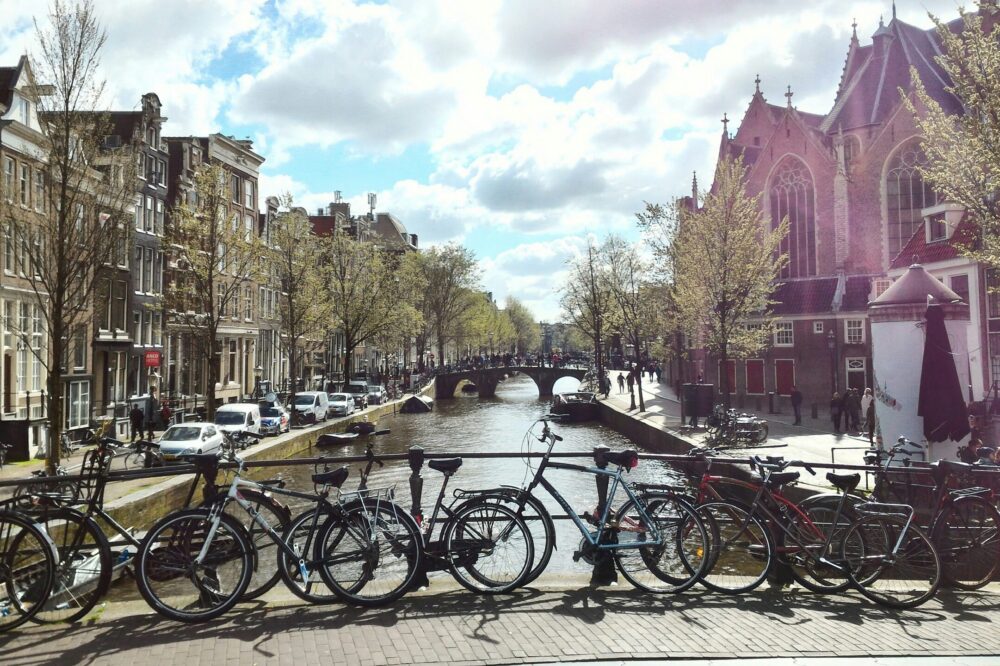
The Red Light District is full of beautiful, historic buildings, canals, and bridges. You can freely photograph the architecture, narrow alleys, and the iconic Oude Kerk (Old Church). Just avoid including windows or people in compromising situations.
Street Art and Signs
Colorful murals, graffiti, and neon signs are common. These are public art and make great subjects. However, avoid signs that advertise explicit services if they contain images of people.
Nightlife and Atmosphere
The overall vibe—crowds, lights, and energy—can be captured without focusing on individuals. Wide-angle shots from a distance work well. Be careful not to include any red-lit windows in the frame.
Museums and Attractions
Inside venues like the Museum of Prostitution (Red Light Secrets) or the Hash, Marihuana & Hemp Museum, photography rules vary. Check with staff. Often, you can take photos in designated areas.
Tips for Responsible Photography
To enjoy photography while respecting the rules, follow these tips:
- Use a zoom lens or smartphone zoom to capture details from a distance, avoiding direct shots of people.
- Ask for permission if you want to photograph a street performer or someone who seems approachable.
- Be discreet with your camera; don’t draw attention to yourself.
- Respect no-photo zones and listen to security or locals if asked to stop.
- Edit out identifiable faces if you plan to publish photos online.
- Consider the time of day—early morning or late afternoon might be less crowded and easier to photograph without conflict.
What Happens If You Break the Rules?
Consequences vary, but they can be serious. You might be:
- Verbally confronted by workers, residents, or security.
- Asked to delete photos and leave the area.
- Fined by police for harassment or privacy violations.
- Banned from certain establishments or the district itself.
In extreme cases, if you refuse to comply, you could face legal charges. It’s simply not worth it.
Alternatives for Capturing the Red Light District
If you’re a serious photographer, consider these ethical alternatives:
- Join a guided photography tour that knows the rules and can take you to permitted spots.
- Visit during the day when the windows are closed and the area is less sensitive.
- Focus on the history—many plaques and buildings have stories you can document.
- Use a sketchbook or journal instead of a camera to capture impressions.
Conclusion
So, can I take photos in the Red Light District? Yes, but with clear boundaries. The key is to respect the people who live and work there. Avoid photographing sex workers, their windows, and any private moments. Instead, focus on the architecture, street scenes, and atmosphere. By being mindful and responsible, you can still capture the unique character of this famous neighborhood without causing harm. Remember, a great photo is not worth someone’s dignity or safety. Enjoy your visit, and shoot wisely!
Photo by Alexander Sergienko on Unsplash
I’m planning to visit Amsterdam next month and really want to capture the unique atmosphere of the Red Light District without breaking any rules. Is it okay to take photos of the canals and bridges there, or do the restrictions apply to everything in the area?
Great question! Yes, you can absolutely photograph the canals, bridges, and historic architecture in the Red Light District. The restrictions mainly apply to photos of sex workers, the red-lit windows, and any private establishments with no-photography signs. Just be mindful to avoid including windows or people in compromising situations, and you’ll be fine.
This is very helpful. I’ve always wondered why photography is so restricted there. But what about taking a photo of a friend in front of a street that has red-lit windows in the background? Would that be considered a violation?
That’s a common concern. As long as the red-lit windows are not the focus of the photo and you’re not intentionally capturing the workers, it’s generally acceptable. However, it’s best to position your friend so that the windows are not directly in the frame, or use a shallow depth of field to blur them out. Respect for privacy is key.
I’m a travel blogger and I’d love to write about the Red Light District with some photos. Can I take pictures of street art or signs there without worrying about the rules?
Absolutely! Street art, murals, and neon signs are great subjects and are generally allowed. Just avoid signs that depict explicit imagery or include identifiable people. Also, always look for any no-photography signs on the premises. For your blog, a wide shot of a colorful street without focusing on windows works perfectly.
What about using a smartphone? Are the rules different for phone cameras versus professional cameras?
No, the rules apply equally to all cameras, including smartphones. The key is the subject, not the device. Even a quick snap with your phone of a sex worker or a window can be illegal and disrespectful. So treat your phone camera with the same caution as a DSLR. Stick to architecture and general street scenes.