
Table des matières:
Introduction
Amsterdam is one of Europe’s most charming and compact capitals, and visitors often wonder: Is Amsterdam a walkable city? The answer is a resounding yes. With its flat terrain, narrow streets, and abundance of pedestrian bridges, Amsterdam is designed for walking. In fact, many locals and tourists alike find that walking is the best way to experience the city’s unique character, from its historic canal rings to its vibrant neighborhoods. This article explores why Amsterdam is a walkable city, offering practical tips and insights for exploring the Dutch capital on foot.
Why Amsterdam Is a Walkable City
Several factors contribute to Amsterdam’s walkability. First, the city is relatively small. Most major attractions are within a 30- to 45-minute walk from the central train station. Second, Amsterdam’s layout is pedestrian-friendly, with dedicated sidewalks, pedestrian-only streets, and safe crossings. Third, the city’s flat geography means no steep hills to climb, making walking accessible for all fitness levels.
Compact Size and Central Layout
Amsterdam’s historic center is a compact area encircled by the famous canal belt (Grachtengordel). From Dam Square to the Rijksmuseum, you can walk between key sights without needing public transport. For example, a walk from Amsterdam Centraal to the Anne Frank House takes about 15 minutes, and from there to the Rijksmuseum is another 20 minutes. This compactness is a primary reason why Amsterdam is a walkable city.
Pedestrian-Friendly Infrastructure
The city has invested heavily in pedestrian infrastructure. Many streets in the center are car-free or have limited traffic, such as the famous Negen Straatjes (Nine Streets) area. Sidewalks are wide, and pedestrian crossings are frequent. Additionally, Amsterdam’s network of bridges connects the various neighborhoods, offering scenic routes along the canals.
Top Walking Routes in Amsterdam
To make the most of your walking adventure, consider these popular routes:
- Central Station to Dam Square: A short 10-minute walk through the bustling streets, passing the Royal Palace and the National Monument.
- Canal Ring Walk: Follow the Prinsengracht, Keizersgracht, and Herengracht for a picturesque tour of the UNESCO-listed canal district.
- Museum Quarter: Walk from the Rijksmuseum to the Van Gogh Museum and Stedelijk Museum, all within a few minutes of each other.
- Jordaan Neighborhood: Explore this trendy area with its narrow streets, independent shops, and cozy cafes. It’s perfect for a leisurely stroll.
Tips for Walking in Amsterdam
To ensure a pleasant walking experience, keep these tips in mind:
- Wear comfortable shoes: You’ll be on your feet for hours, so sturdy footwear is essential.
- Watch out for bikes: Amsterdam has dedicated bike lanes, and cyclists can be fast. Always look both ways before crossing bike paths.
- Use pedestrian crossings: Jaywalking is not recommended. Use designated crossings and obey traffic lights.
- Stay on the right side: On sidewalks and stairs, keep to the right to avoid collisions.
- Plan for weather: Amsterdam’s weather can be unpredictable. Bring a rain jacket or umbrella, and dress in layers.
Walking vs. Public Transport in Amsterdam
While Amsterdam is a walkable city, you might still use public transport for longer distances or when tired. The tram and metro networks are efficient, and the city is also bike-friendly. However, walking offers a more intimate experience, allowing you to discover hidden courtyards, street art, and local shops. For most visitors, combining walking with occasional tram rides is the best approach.
Health and Environmental Benefits
Walking is not only enjoyable but also healthy. It helps reduce stress, improves cardiovascular fitness, and burns calories. Moreover, choosing to walk instead of using motorized transport reduces your carbon footprint, contributing to a more sustainable visit. Amsterdam’s walkability aligns with the city’s green initiatives and its reputation as a forward-thinking urban center.
Conclusion
So, is Amsterdam a walkable city? Absolutely. Its compact size, flat terrain, and pedestrian-friendly design make it one of the most walkable cities in Europe. Whether you’re strolling along the canals, exploring the Jordaan, or visiting world-class museums, walking in Amsterdam is a delight. By planning your routes and following local etiquette, you can fully immerse yourself in the city’s vibrant atmosphere. So lace up your walking shoes and discover Amsterdam on foot—you won’t regret it.
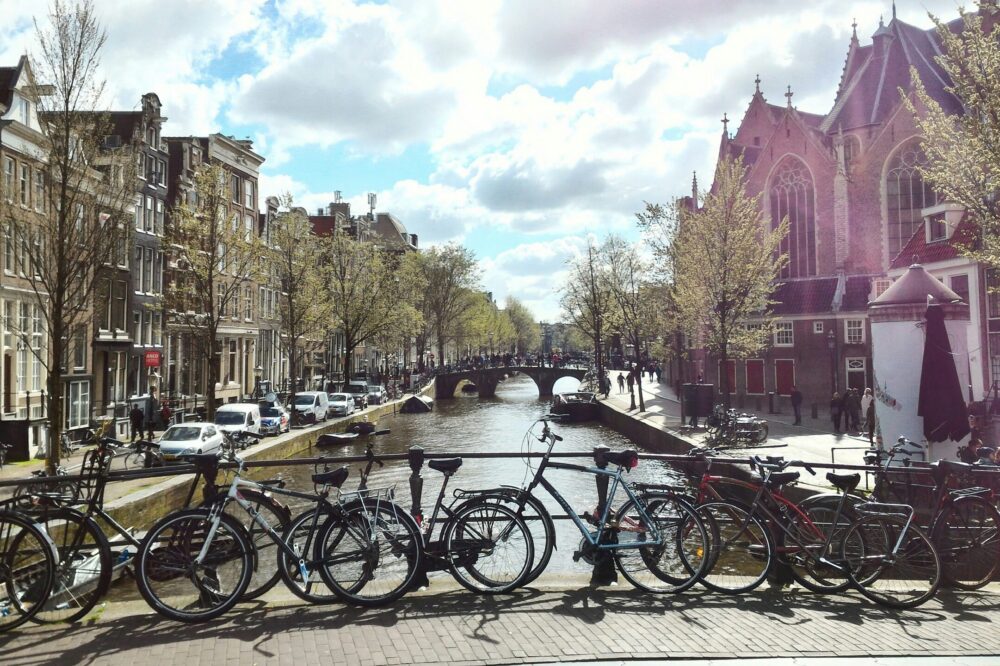
Photo by Antonio Sessa on Unsplash




I’m planning a trip to Amsterdam and wondering if I can walk from the central station to the Anne Frank House with luggage. Is that doable?
Yes, it’s doable—the walk is about 15 minutes on flat, pedestrian-friendly streets. However, if you have heavy luggage, you might prefer a tram or taxi, as some streets can be cobblestoned. Comfortable shoes are recommended either way.
I’m planning a trip to Amsterdam and was wondering if it’s easy to get around without a car. Is it really that walkable, or would I need to rely on trams a lot?
Absolutely, Amsterdam is very walkable for most attractions. The historic center is compact, and you can easily walk between major sites like the Anne Frank House, Rijksmuseum, and Dam Square in 20-30 minutes. Trams are great for longer distances or when your feet get tired, but walking is often the most direct and scenic option.
Great article! I found walking in Amsterdam to be a joy, but I’d add that you really need to watch out for bikes, especially on the narrow streets. Also, the weather can change quickly, so packing a rain jacket is a must.
Thanks for the tip! Yes, bike awareness is crucial—always check for cyclists before stepping into bike lanes. And you’re right about the weather: layers and a waterproof jacket are essential for a comfortable walk. Glad you enjoyed exploring on foot!
Great article! I’m planning a trip to Amsterdam and was wondering if the city is walkable for someone with limited mobility. Are there any specific routes or areas that are more accessible?
Thanks for your question! Amsterdam is generally flat and has many pedestrian-friendly areas, but some older streets have cobblestones and narrow sidewalks. The Museum Quarter and central canal ring have relatively smooth paths. For specific accessibility info, check the city’s official accessibility guide or consider renting a mobility scooter.
I loved walking in Amsterdam last year. One tip: the walking route from Central Station to the Anne Frank House can get very crowded. I’d recommend going early in the morning to avoid the rush.
That’s a great tip! Early mornings are indeed quieter. Also, consider walking along the quieter side streets parallel to the main routes for a more relaxed experience.
Is it safe to walk around Amsterdam at night? I’d like to explore the Jordaan area after dinner.
Yes, Amsterdam is generally safe at night, especially in central areas like Jordaan which are well-lit and lively. However, always stay aware of your surroundings, stick to main streets, and avoid poorly lit alleys. Walking with a companion is also a good idea.
I’m worried about getting lost without a map. Are there good walking apps or maps for Amsterdam?
Absolutely! Google Maps works well for walking directions. For more curated routes, try the app ‘I Amsterdam’ or pick up a free city map at the tourist office. Many walking routes are also marked with signs along the canals.
Do you think it’s better to walk or bike around Amsterdam? I’ve heard biking is popular but I’m not the most confident cyclist.
If you’re not confident on a bike, walking is a fantastic option. Amsterdam is compact and walkable, so you can see most sights on foot. Biking can be stressful for visitors due to traffic and bike lane etiquette. Walking gives you more time to soak in the scenery.
The article mentions watching out for bikes. Any tips for crossing bike lanes safely?
Yes! Always stop at the edge of the bike lane and look both ways before crossing. Cyclists move fast and may not stop. Use designated pedestrian crossings, and avoid stepping off the curb suddenly. A good rule: treat bike lanes like roads.
I’m planning a trip to Amsterdam and wondering if walking is really the best way to get around, especially with kids. Is the city stroller-friendly?
Yes, Amsterdam is quite stroller-friendly. The compact center means short distances, and sidewalks are generally wide enough. Just be cautious on narrow streets and watch for bike lanes. Many pedestrian-only areas make it easy for families.
Great article! I’ve heard that Amsterdam can be rainy. What’s the best footwear for walking in wet weather?
Waterproof shoes or boots with good grip are ideal. Amsterdam’s flat terrain means you won’t need heavy hiking boots, but you’ll want something comfortable and water-resistant. Also, consider carrying a compact umbrella.
Is it safe to walk around Amsterdam at night? I’m a solo female traveler.
Generally, yes. Amsterdam is considered safe for walking at night, especially in well-lit central areas. Stick to main streets and the canal ring. As always, stay aware of your surroundings and avoid dark, empty alleys.
I’m concerned about bike traffic. Any tips for pedestrians to avoid accidents?
Always look both ways before crossing streets, especially at bike lanes. Stick to designated pedestrian crossings and avoid walking in bike lanes. Remember that cyclists have the right of way, so stay alert and make eye contact when possible.
Are there any walking tours you’d recommend for first-time visitors?
Self-guided walks like the Canal Ring or Jordaan are excellent. For a guided experience, consider a free walking tour that covers the historic center. These tours are usually tip-based and offer great insights into the city’s history and culture.