
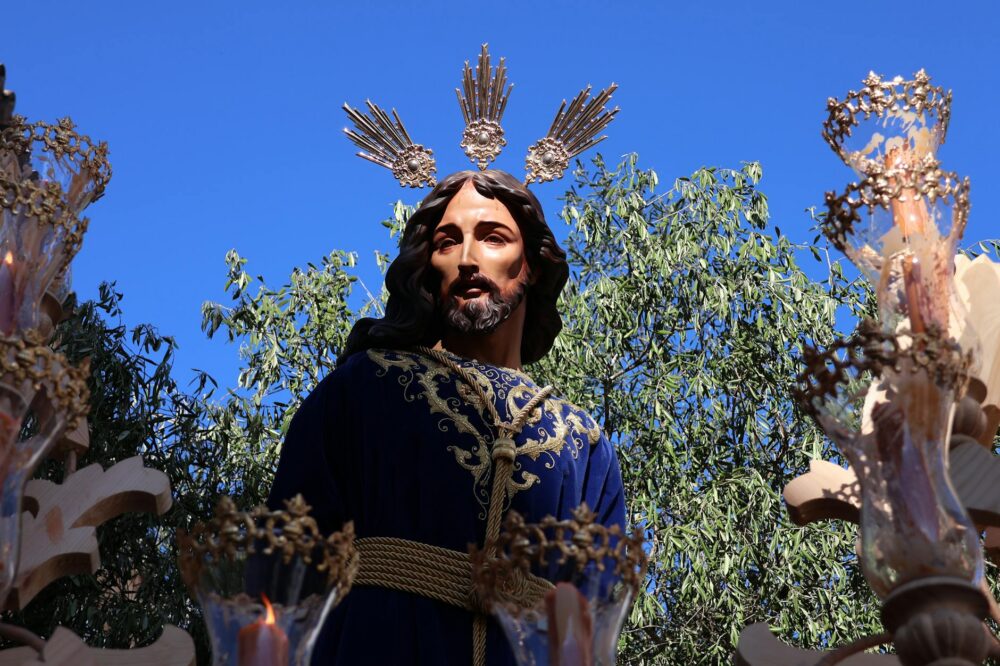
Barcelona transforms during Semana Santa (Holy Week), drawing visitors from around the world to witness its solemn and spectacular Easter processions. If you’re planning a trip and wondering what is the best way to see Barcelona’s Easter processions, you’ve come to the right place. This guide offers expert advice on locations, timing, and cultural etiquette to ensure you experience the most memorable and respectful viewing of these deeply rooted traditions.
Table des matières:
Understanding Barcelona’s Easter Processions
Barcelona’s Easter processions, known as processons de Setmana Santa in Catalan, are religious parades organized by brotherhoods (germandats or confraries). They feature ornate floats (passos) depicting scenes from the Passion of Christ, accompanied by robed penitents, marching bands, and often a haunting drumbeat. The atmosphere is both somber and majestic. To truly appreciate them, you need to know where and when to go.
Top Locations to See the Processions
Choosing the right location is key to answering what is the best way to see Barcelona’s Easter processions. Here are the most recommended spots.
1. The Gothic Quarter (Barri Gòtic)
The narrow, historic streets of the Gothic Quarter provide an intimate backdrop. Processions often wind through Plaça de Sant Jaume, past the Barcelona Cathedral, and along Carrer del Bisbe. The close quarters make you feel part of the event, but they can get extremely crowded. Arrive at least an hour early to secure a spot against a wall or railing.
2. Plaça de Sant Jaume
This central square is a prime viewing area because many processions pass through or begin here. The wide space allows for better sightlines, and you can see the floats from multiple angles. It’s also where the grandest processions, like the Processó del Silenci (Silent Procession), take place.
3. Barcelona Cathedral (Catedral de Barcelona)
The steps and surrounding area of the cathedral are excellent for viewing processions that start or end there. The combination of the Gothic architecture and the flickering candlelight of the procession creates a breathtaking scene. However, be prepared for large crowds.
4. Basílica de Santa Maria del Mar
Located in the El Born district, this stunning church hosts processions that traverse the nearby streets. The area is slightly less crowded than the Gothic Quarter, offering a more relaxed experience while still being central.
Best Times to Watch
Timing is everything. Most processions occur in the evening, starting around 7:00 PM and lasting until late at night. The most significant processions happen on Maundy Thursday and Good Friday. Here’s a breakdown:
- Maundy Thursday (Dijous Sant): The Processó del Silenci is a highlight, starting at midnight from the Church of Sant Just i Pastor. It’s a deeply moving experience with participants walking barefoot in complete silence.
- Good Friday (Divendres Sant): The largest processions take place, including the Processó del Sant Enterrament (Holy Burial) from the Cathedral. Expect the longest routes and largest crowds.
- Easter Sunday (Diumenge de Pasqua): Processions are more joyful, celebrating the Resurrection. They are shorter and less crowded.
To find exact schedules, check the official Barcelona tourism website or local church bulletins a week before your visit.
Tips for a Great Viewing Experience
Now that you know where and when to go, here are practical tips to make the most of it.
Arrive Early
Popular spots fill up quickly. For prime positions along the route, arrive at least 45–60 minutes early. Bring a portable stool or stand on a curb if possible.
Dress Appropriately
Evenings can be cool in Barcelona during April. Wear comfortable shoes as you may be standing for hours. Dress respectfully, as these are religious events.
Be Respectful
Maintain silence during solemn moments, especially during the Processó del Silenci. Turn off your phone or set it to silent. Avoid using flash photography, as it can be disruptive.
Use a Map or App
Download a map of the procession routes from the official tourism site. Some apps provide real-time updates. Alternatively, follow the sound of drums and hymns.
Alternative Ways to Experience the Processions
If you prefer a less traditional approach, consider these options.
Watch from a Rooftop or Balcony
Several bars and restaurants offer rooftop views of the processions. For example, the terrace at the Colón Hotel near the Cathedral provides a bird’s-eye view. Book in advance, as these spots are highly sought after.
Join a Guided Tour
Local tour operators offer guided walks that explain the history and symbolism of the processions. They often secure reserved viewing areas, saving you the hassle of finding a spot.
Follow a Single Brotherhood
Instead of staying in one place, follow a brotherhood from its home church to the cathedral. This gives you a deeper sense of the community’s devotion.
What to Expect: The Atmosphere and Etiquette
Understanding the cultural context enriches your experience. The processions are not tourist shows but acts of faith. Participants wear traditional robes (capirons) and often carry candles or crosses. The floats are carried on the shoulders of costaleros, who bear the weight with immense effort. The music ranges from solemn hymns to mournful drum rolls.
As a visitor, you are welcome to observe, but avoid blocking the path or interfering. If you bring children, explain the significance and keep them close.
Conclusion
So, what is the best way to see Barcelona’s Easter processions? It depends on your preferences. For an immersive, traditional experience, head to the Gothic Quarter or Plaça de Sant Jaume, arrive early, and embrace the solemnity. For a more comfortable view, book a rooftop spot or join a guided tour. Regardless of your choice, respect the religious nature of the events, and you’ll witness one of Barcelona’s most profound cultural traditions. Plan ahead, check schedules, and prepare to be moved.
Photo by Fotografías de El Puerto de Santa María on Pexels

I’m planning to visit Barcelona during Semana Santa. Which procession would you recommend for a first-time visitor who wants to see the most impressive floats?
For a first-time visitor, we recommend the Good Friday Processó del Sant Enterrament from the Cathedral. It features the largest and most ornate floats, with a grand scale that truly captures the solemn beauty of Barcelona’s Easter traditions. Arrive early to Plaça de Sant Jaume for a good view.
Are there any processions that are less crowded? I’d like to experience the atmosphere without being packed in.
Yes, the processions around Basílica de Santa Maria del Mar in El Born tend to be less crowded than those in the Gothic Quarter. Also, consider watching a smaller neighborhood procession outside the city center, such as in Gràcia or Sants, for a more intimate experience.
What time should I arrive at Plaça de Sant Jaume for the Silent Procession on Maundy Thursday?
For the Processó del Silenci, which starts around midnight from the Church of Sant Just i Pastor, we recommend arriving at Plaça de Sant Jaume by 10:30 PM at the latest. This gives you time to find a good spot before the crowd builds, as it’s a very popular event.
Is it okay to take photos during the processions? I want to capture the memories but don’t want to be disrespectful.
Photography is generally allowed, but avoid using flash, as it can be disruptive and disrespectful, especially during solemn moments like the Silent Procession. Also, be mindful of the participants and maintain a quiet, reverent demeanor. Many visitors take beautiful photos without flash using the available street lighting.
I’m traveling with kids. Are there any family-friendly processions or viewing areas?
Easter Sunday processions are more joyful and shorter, making them ideal for families. Also, consider watching from a wider square like Plaça de Sant Jaume, where there’s more space for children. Arrive early to get a spot near a barrier so kids can see better. Dress warmly, as evenings can be cool.
Do I need to book tickets for any of these processions? Or are they all free to watch?
All processions are free and open to the public as they take place on the streets. However, if you want a guaranteed spot on a rooftop or balcony, you may need to book a table at a bar or restaurant in advance. For example, the Colón Hotel’s terrace offers paid access, so book ahead.
What’s the best way to find the exact route and timing for each procession? The article mentions checking the official tourism website, but is there a specific app or map?
The official Barcelona tourism website (barcelonaturisme.com) publishes a schedule and map of procession routes during Holy Week. You can also download the ‘Barcelona Guide’ app, which often includes real-time updates. Alternatively, follow the sound of drums and hymns, as many locals do—it’s a reliable way to find the action.