
Table des matières:
Introduction
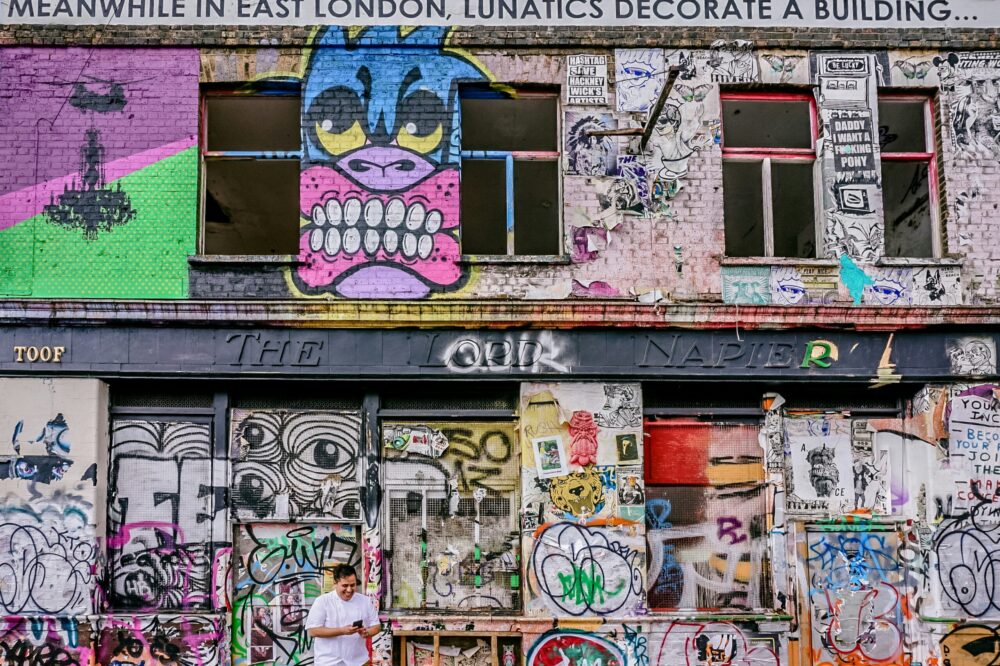
London is a global hub for street art, with vibrant murals, thought-provoking graffiti, and world-renowned artists leaving their mark across the city. From the iconic works of Banksy to hidden gems in East London, the capital’s streets are an open-air gallery. But what is the best way to experience London’s street art? Whether you’re a first-time visitor or a local looking to explore, this guide will help you navigate the city’s urban art scene with confidence. We’ll cover the top neighborhoods, tour options, self-guided routes, and practical tips to ensure you don’t miss a single masterpiece.
Why London’s Street Art Scene Is Unique
London’s street art is more than just spray paint on walls—it’s a reflection of the city’s culture, politics, and creativity. Unlike traditional galleries, street art is accessible to everyone, constantly evolving, and often temporary. The city’s diverse neighborhoods each have their own artistic identity, from the edgy vibes of Shoreditch to the colorful canal paths of Camden. Understanding this context enhances your experience and helps you appreciate the stories behind the art.
Top Neighborhoods for Street Art in London
Shoreditch and Brick Lane
Shoreditch is the epicenter of London’s street art scene. The area around Brick Lane, in particular, is a hotspot for large-scale murals and stencil work. Walk along Rivington Street, Redchurch Street, and Hanbury Street to see works by local and international artists. The famous “Brick Lane Graffiti Wall” is a rotating canvas where artists paint over each other’s work, making every visit unique.
Camden Town
Camden offers a mix of street art and punk-inspired graffiti. The Camden Lock area and the streets around the market feature colorful murals, often with a rebellious theme. Don’t miss the works by artists like Sweet Toof and the famous “Amy Winehouse” mural.
Brixton
Brixton’s street art reflects its vibrant Caribbean culture and political activism. The Brixton Street Art Trail includes portraits of local icons and powerful messages about social justice. Look for the mural of David Bowie on Tunstall Road.
East End (Bethnal Green, Whitechapel)
The East End is rich in street art history. Areas like Bethnal Green and Whitechapel feature works from the 1980s alongside contemporary pieces. The Nomadic Community Garden near Brick Lane is a must-visit for its ever-changing art installations.
Guided Tours vs. Self-Guided Exploration
Guided Tours
For a structured experience, guided tours are an excellent option. Expert guides provide context, history, and behind-the-scenes stories that you might miss on your own. Some popular tours include:
- Alternative London Tours: Offers walking tours of Shoreditch, focusing on street art and local culture.
- London Street Art Tour: Led by artists themselves, providing insider knowledge.
- Banksy Walking Tour: Specializes in finding Banksy’s works across the city.
Guided tours typically last 2-3 hours and cost around £15-25 per person. They are ideal for first-time visitors who want a comprehensive overview.
Self-Guided Exploration
If you prefer flexibility, self-guided exploration is the best way to experience London’s street art at your own pace. You can use online maps, apps, or simply wander through neighborhoods. Pros include:
- Freedom: Spend as much or as little time as you like at each piece.
- Cost-effective: Free to do, aside from transportation.
- Discovery: Chance encounters with hidden gems.
To make the most of self-guided exploration, download a street art map or use apps like “Street Art London” or “Google Maps” with curated lists. Start early in the morning to avoid crowds, especially in popular areas like Shoreditch.
Top Street Art Hotspots You Can’t Miss
Banksy’s Works
Banksy is the most famous street artist globally, and London has several of his pieces. Notable ones include:
- “Girl with Balloon” (now partially shredded) at Southbank.
- “The Son of a Syrian” in Bethnal Green.
- “Kissing Coppers” (now removed but often replicated).
Keep in mind that Banksy’s works are often protected or removed, so check recent updates before heading out.
The Leake Street Tunnel
Located near Waterloo Station, this tunnel is a legal graffiti spot where artists can paint freely. The art changes constantly, making it a living gallery. It’s also home to the annual “Leake Street Festival.”
Brick Lane’s Murals
Brick Lane itself is a canvas. Look for the massive murals on the sides of buildings, including works by ROA (the Belgian artist known for large animal murals) and Stik (a local artist famous for his stick figures).
Camden’s Art Alley
Near Camden Lock, there’s an alleyway covered in graffiti and street art. It’s a favorite spot for photographers and art lovers.
Best Times and Seasons for Street Art Viewing
Street art is best viewed during daylight hours, but early morning or late afternoon offers the best light for photography. Weekdays are quieter than weekends, especially in Shoreditch. Avoid rainy days as some pieces may be damaged or covered. Spring and autumn provide pleasant weather for walking tours.
Practical Tips for an Authentic Experience
- Wear comfortable shoes: You’ll be walking a lot, often on uneven pavements.
- Bring a camera or smartphone: Most art is temporary, so capture it while you can.
- Respect the art and community: Don’t touch or vandalize pieces, and be mindful of residents and businesses.
- Use public transport: London’s tube and buses are efficient for hopping between neighborhoods.
- Check social media: Follow street art accounts on Instagram for real-time updates on new works.
How to Photograph Street Art Like a Pro
To get the best shots, use natural light and avoid flash. Frame the art without distractions like trash or crowds. For large murals, step back to capture the full context. If you’re using a phone, enable HDR mode to balance light and shadow. Consider editing apps like Snapseed or Lightroom to enhance colors.
Conclusion
So, what is the best way to experience London’s street art? The answer depends on your preferences. For a deep dive with expert insights, a guided tour is unbeatable. For flexibility and adventure, self-guided exploration allows you to discover hidden corners at your own pace. Whichever you choose, focus on the top neighborhoods—Shoreditch, Camden, Brixton, and the East End—and keep an eye out for iconic pieces by Banksy and others. Remember to respect the art, capture memories, and enjoy the ever-evolving canvas that is London’s streets. Whether you’re a seasoned art lover or a curious traveler, London’s street art promises an unforgettable experience.
Photo by Toa Heftiba on Unsplash


I’m planning a trip to London and really want to see the street art. Would you recommend a guided tour or exploring on my own?
Both options have their merits! Guided tours are great for learning the stories behind the art and ensuring you see key pieces, while self-guided exploration offers flexibility and the chance to discover hidden gems. If it’s your first time, a tour can provide a solid foundation, but if you prefer going at your own pace, self-guided with a good map works well. Consider your interests and schedule to decide.