
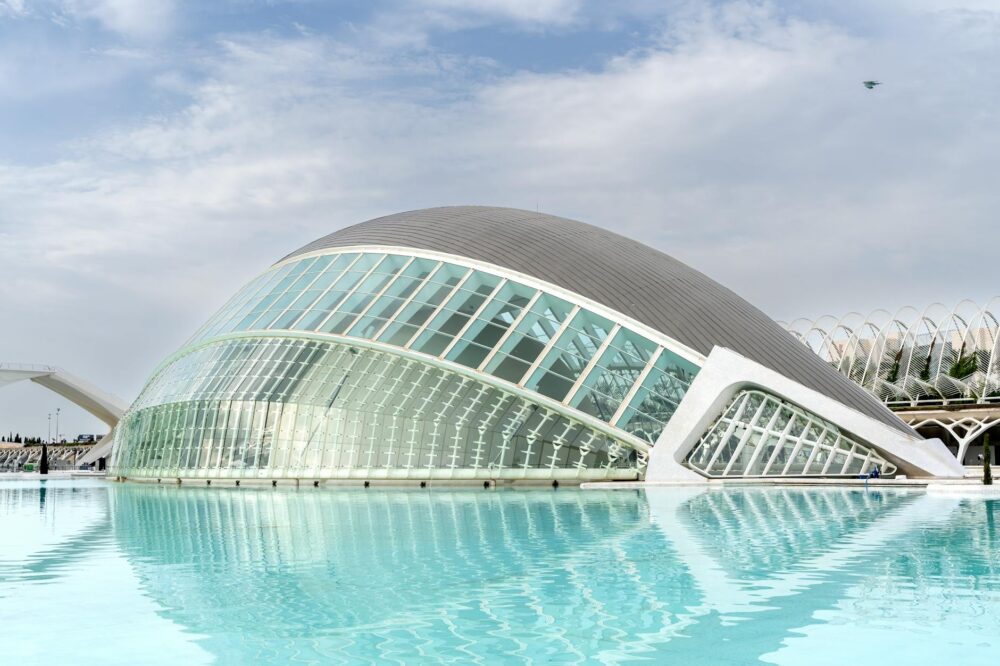
Table des matières:
Introduction
Planning a trip to the Science Museum? One of the most common questions visitors ask is: what is the best time to visit the Science Museum? Whether you’re eager to see the latest exhibits, avoid long queues, or find a quieter time for exploration, timing can make or break your experience. In this comprehensive guide, we’ll break down the optimal visiting hours, days, and seasons to help you make the most of your visit. From weekdays versus weekends to school holidays and special events, you’ll learn exactly when to go for a stress-free, enjoyable museum trip.
Why Timing Matters at the Science Museum
The Science Museum is one of the most popular attractions in the world, drawing millions of visitors each year. Crowds can vary dramatically depending on the time of day, day of the week, and season. Choosing the right time not only enhances your experience but also allows you to engage more deeply with interactive exhibits, enjoy shorter wait times, and even find better parking or public transport options. Understanding the best time to visit the Science Museum can save you hours of frustration and help you create lasting memories.
Best Time of Day to Visit the Science Museum
Early Morning: Beat the Crowds
If you’re an early riser, arriving right when the museum opens is often the best time to visit the Science Museum. Most museums open around 10:00 AM, and the first hour is typically the quietest. You’ll have a chance to explore popular exhibits like the Space Gallery or the Flight simulator without jostling for space. Plus, morning light can make photography easier in certain areas.
Late Afternoon: Quieter and More Relaxed
Alternatively, consider visiting in the late afternoon, about two hours before closing. Many tour groups and families with young children leave by mid-afternoon, so the museum becomes noticeably calmer. This can be an excellent time for adults or older children who want a more contemplative experience. However, note that some interactive stations may close 15–30 minutes before the museum shuts, so plan accordingly.
Avoid Peak Hours: Midday Rush
The busiest period is typically between 11:00 AM and 2:00 PM, when school groups, tourists, and local families converge. If your schedule is flexible, try to avoid these hours. If you must visit during this time, consider starting at the less popular galleries on the upper floors and working your way down after the lunch rush subsides.
Best Day of the Week to Visit the Science Museum
Weekdays: Tuesday to Thursday
For the best experience, plan your visit on a Tuesday, Wednesday, or Thursday. Weekends are notoriously crowded, and Monday can sometimes be busy due to holiday extensions. Midweek days offer the lowest attendance, especially if you arrive early. Many local schools have field trips on Tuesdays and Thursdays, but these groups are usually well-organized and don’t significantly disrupt individual visitors. If you want a peaceful visit, aim for a Wednesday morning.
Weekends: Expect Larger Crowds
Saturdays and Sundays are the most popular days, especially for families. While the museum can be lively and fun, you’ll likely encounter long queues for special exhibits and packed cafeterias. If you can only go on a weekend, try to arrive as early as possible or later in the afternoon to avoid the worst of the rush.
Special Days: Free Admission or Late Openings
Some Science Museums offer free admission on specific days or extended evening hours. For example, the Science Museum in London has free entry every day (except for special exhibitions), but certain nights they host adults-only “Lates” events. Check the museum’s official website for any unique opportunities that might align with your preferences.
Best Season to Visit the Science Museum
Autumn and Spring: Ideal Balance
September to November and March to May are generally the best times to visit the Science Museum in terms of weather and crowd levels. The weather is mild, making it pleasant to queue outside if necessary, and school holidays are less frequent. During these shoulder seasons, you’ll find a good balance between manageable crowds and a full schedule of events.
Winter: Quieter but Darker
Winter months (December to February) can be very quiet, especially on weekdays. This is an excellent time for a focused visit, as you’ll have many exhibits almost to yourself. However, the museum may close earlier on some days, and holiday periods (Christmas and New Year) can be extremely busy. If you visit in winter, check for holiday closures and special seasonal exhibitions.
Summer: Busy but Full of Activities
Summer (June to August) is peak tourist season. The museum is often packed with international visitors and families on school break. While the atmosphere is vibrant, queues for popular attractions can be long. On the plus side, summer often brings special outdoor exhibits, extended hours, and more interactive demonstrations. If you visit in summer, book tickets in advance and arrive early to secure your spot.
How to Avoid Crowds at the Science Museum
- Visit on weekdays – Tuesday through Thursday are the least crowded.
- Arrive early – Be at the doors 15 minutes before opening.
- Check school holidays – Local school breaks often mean more families. Plan around them.
- Book tickets online – Skip the ticket line by purchasing in advance, even for free entry.
- Use the side entrance – Some museums have less busy entrances (e.g., the Exhibition Road entrance in London).
- Visit during special events – Adults-only nights or late openings often have limited capacity and a different vibe.
Best Time for Families with Kids
If you’re visiting with children, the best time to visit the Science Museum is weekday mornings during term time. The museum is quieter, and kids can enjoy hands-on exhibits without waiting. Many museums also have dedicated early morning hours for families with special needs or younger children. Avoid school holidays and weekends if possible, as the museum can become overwhelming for little ones.
Best Time for Adults and Solo Travelers
Adults and solo travelers may prefer late afternoons on weekdays or the museum’s evening events. Many Science Museums host after-hours events with talks, demonstrations, and drinks. These provide a unique, adults-only atmosphere that’s perfect for learning without the bustle of daytime crowds. Check the museum’s calendar for such events; they often sell out quickly.
Special Exhibitions: Planning Around Temporary Shows
If you’re eager to see a specific temporary exhibition, the best time to visit the Science Museum might be influenced by its schedule. Blockbuster exhibitions tend to be busiest on weekends and during their first few weeks. To avoid disappointment, book timed tickets in advance and consider visiting on a weekday morning. Some museums offer discounted tickets for off-peak times, so keep an eye out for deals.
Practical Tips for Your Visit
- Check opening hours – Always verify on the official website, as hours can change seasonally.
- Allow at least 3-4 hours – The museum is large; rushing will diminish the experience.
- Wear comfortable shoes – You’ll be walking a lot.
- Bring snacks or eat off-peak – Museum cafes are busiest between 12:00 PM and 1:30 PM.
- Use public transport – Parking can be limited and expensive.
Conclusion
So, what is the best time to visit the Science Museum? The answer depends on your preferences, but for most visitors, a weekday morning in autumn or spring offers the ideal combination of low crowds, pleasant weather, and full access to exhibits. If you’re flexible, aim for a Tuesday or Wednesday at opening time. Families with young children should prioritize term-time mornings, while adults might enjoy late afternoons or special evening events. By planning ahead and using the tips in this guide, you can ensure a memorable and enjoyable visit to the Science Museum. Remember to check the museum’s official website for the most up-to-date information on hours, exhibitions, and special events. Happy exploring!
Photo by Rafael Minguet Delgado on Pexels



I’m planning a trip with my kids during spring break. Is there any specific time that’s less crowded?
Spring break can be busy, but weekdays right when the museum opens (10 AM) are your best bet. Late afternoons about two hours before closing are also quieter. Avoid midday between 11 AM and 2 PM.
Does the Science Museum in London have free entry? If so, are there any days when it’s especially crowded?
Yes, the Science Museum in London offers free entry to permanent galleries every day. Weekends and school holidays are busiest. For a quieter visit, aim for a Wednesday morning.
I heard about adults-only Lates events. When do those happen, and is it a good time to visit?
Adults-only Lates events are typically held on the last Wednesday of the month. They offer a unique atmosphere with talks and activities, but expect larger crowds for those special evenings.
What about visiting in December? I want to avoid crowds but also see the Christmas decorations nearby.
December weekdays are very quiet, except for the holiday break (late December to early January). You’ll have exhibits almost to yourself, but check for adjusted closing hours.
Is it worth visiting on a Monday? I’ve heard some museums are closed on Mondays.
Many Science Museums are open on Mondays, but it can be busy due to holiday extensions. Check the specific museum’s schedule. If open, early morning is still your best bet.
I’m a teacher planning a field trip. What’s the least disruptive time for my students?
Tuesday or Thursday mornings are popular for school groups, so those can be busy. For a calmer experience, consider a Wednesday morning. Arriving at opening time helps avoid the rush.
Are there any tips for visiting during peak hours if I can’t avoid them?
If you must visit midday, start with upper-floor galleries or less popular exhibits. The main attractions like the Space Gallery are busiest. Also, consider eating lunch before or after the peak lunch rush.
Do you recommend visiting in autumn or spring? Which is better for weather and crowds?
Both autumn (September–November) and spring (March–May) offer mild weather and manageable crowds. Autumn tends to be slightly quieter, but spring has more special events. Either is a great choice.