
Table des matières:
Why Lyon’s History Captivates Visitors
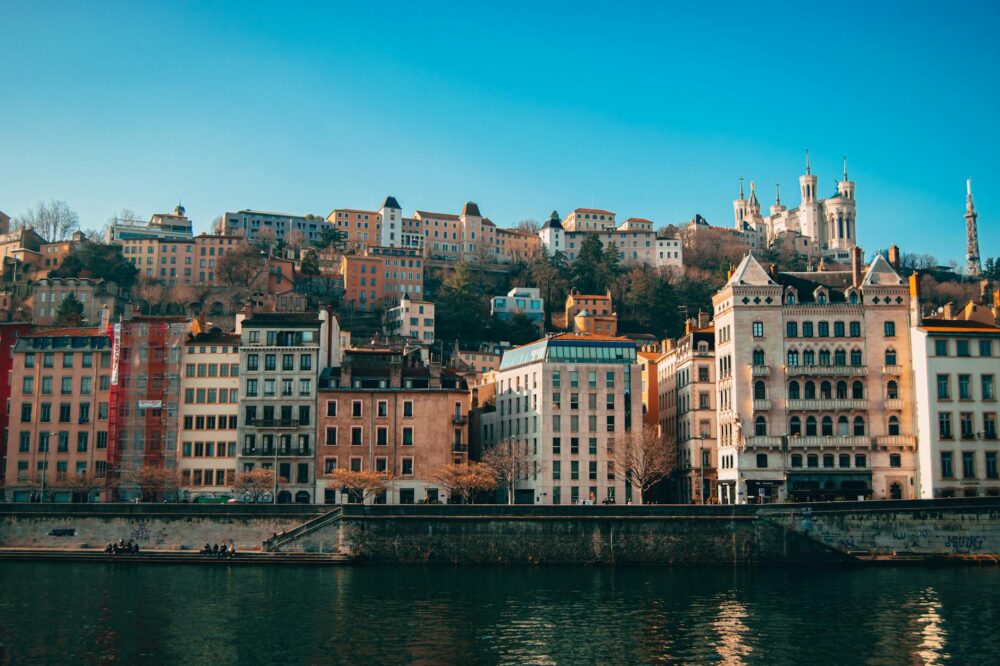
Lyon is not just France’s gastronomic capital; it is a city with a layered past that spans over two millennia. From its origins as the Roman capital of Gaul to its role as a silk-weaving powerhouse during the Renaissance, and its transformation into a modern metropolis, Lyon offers countless opportunities to delve into its heritage. If you are wondering what are the best places to learn about Lyon’s history, this guide will take you through the essential sites, museums, and experiences that bring the city’s story to life.
Museums That Tell the Story of Lyon
Musée Gadagne: A Deep Dive into Lyon’s Past
Housed in a stunning Renaissance building in Vieux Lyon, the Musée Gadagne is the city’s premier museum dedicated to its history. The museum’s permanent exhibition, “Lyon, the Story of a City,” walks visitors through key eras: Roman Lugdunum, medieval trade, the silk boom, and the industrial revolution. Interactive displays and artifacts like the 16th-century “Château de la Bâtie” model make it engaging for all ages.
Practical tip: Combine your visit with a stroll through the adjacent gardens, which offer panoramic views of the city.
Musée des Confluences: Where History Meets Science
Located at the confluence of the Rhône and Saône rivers, this striking contemporary museum explores the history of humanity and civilizations. While not exclusively about Lyon, it provides context for the city’s development through its collections on trade, migration, and urban evolution. The building itself is an architectural landmark, symbolizing Lyon’s forward-looking spirit.
Musée de l’Imprimerie et de la Communication Graphique
Lyon was a major printing center in the 15th and 16th centuries. This museum traces the history of printing and its impact on the spread of ideas in Lyon and beyond. Exhibits include rare books, printing presses, and graphic design works. It’s a niche but fascinating stop for understanding how Lyon became a hub of knowledge.
Roman Lyon: Ancient Sites You Must Visit
Théâtre Antique de Fourvière
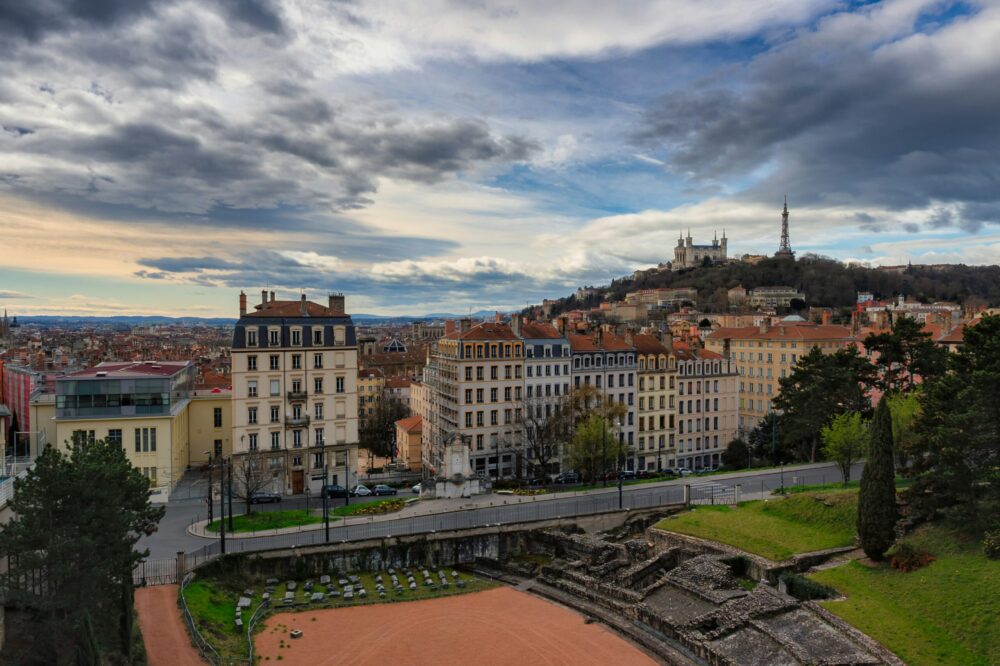
Perched on Fourvière hill, this Roman theater dates back to 15 BC and once hosted performances for up to 10,000 spectators. It is one of the oldest Roman theaters in France and still hosts concerts and events today. Walking through the tiers of stone seats, you can almost hear the echoes of ancient plays.
Odéon Romain
Adjacent to the theater, the smaller Odeon was used for musical performances and poetry readings. Its well-preserved structure offers a glimpse into Roman leisure culture. Together with the theater, it forms the Site Archéologique de Fourvière, a must-see for history buffs.
Musée Lugdunum
Located near the theater, this modern museum showcases Lyon’s Roman heritage. Its collection includes mosaics, sculptures, and everyday objects from the Roman city of Lugdunum. The museum’s architecture is partially underground, blending seamlessly with the archaeological site.
Renaissance and Silk: Exploring Vieux Lyon and Traboule
Vieux Lyon: Europe’s Largest Renaissance District
Wandering through the cobblestone streets of Vieux Lyon feels like stepping back in time. This district is a UNESCO World Heritage site, with well-preserved buildings from the 15th and 16th centuries. Look out for the unique traboules—hidden passageways that cut through buildings, once used by silk workers to transport fabric without getting wet.
Traboule des Verrières and Other Secret Passages
Several traboules are open to the public. The Traboule des Verrières at 27 Rue du Boeuf is one of the most impressive, with a glass roof and spiral staircase. These passageways are not only architectural curiosities but also key to understanding Lyon’s silk industry.
Maison des Canuts: Silk Weaving Heritage
On the Croix-Rousse hill, the Maison des Canuts is a museum dedicated to the silk workers (canuts) who drove Lyon’s economy. You can see a working Jacquard loom, learn about the 1831 canut revolt (one of the first workers’ uprisings), and even buy authentic silk scarves. It’s a vivid reminder of how silk shaped Lyon’s identity.
Guided Tours and Experiences



Walking Tours with Local Historians
Several companies offer themed walking tours. For instance, Lyon Historique runs a “Secrets of the Traboule” tour that uncovers hidden courtyards and tells stories of resistance during WWII. Another popular option is the “Roman Lyon” tour, which focuses on the Fourvière hill.
Boat Cruises on the Saône
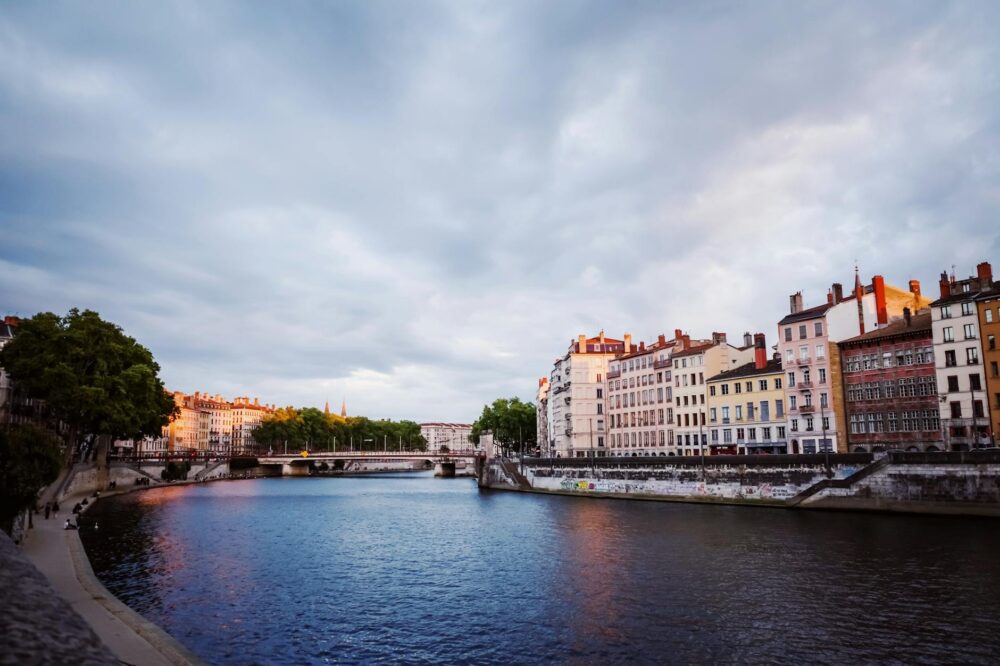
A boat cruise provides a different perspective on Lyon’s development. Commentary highlights how the rivers shaped trade and settlement. Some cruises include lunch or dinner, combining history with gastronomy.
Virtual Reality Experiences
For a high-tech approach, Lyon VR offers a 360-degree reconstruction of Roman Lugdunum. You can “walk” through ancient streets and see the theater in its original glory. It’s a great option for families or those short on time.
Practical Checklist for History Lovers
To make the most of your historical exploration, use this checklist:
- Start at Fourvière: Visit the Roman theater and Lugdunum museum in the morning.
- Explore Vieux Lyon: Spend the afternoon wandering traboules and visiting Musée Gadagne.
- Head to Croix-Rousse: See the Maison des Canuts and learn about silk.
- Book a guided tour: Choose one that matches your interest (Roman, Renaissance, or silk).
- Try a boat cruise: Get a riverside view of historic landmarks.
- Check opening hours: Many museums close on Mondays or Tuesdays.
Comparison: Best Museums for Lyon’s History
| Museum | Focus | Highlights | Best For |
|---|---|---|---|
| Musée Gadagne | General history of Lyon | Renaissance building, city model | First-time visitors |
| Musée Lugdunum | Roman Lyon | Mosaics, theater artifacts | Ancient history enthusiasts |
| Maison des Canuts | Silk industry | Working loom, canut revolt | Industrial history fans |
| Musée de l’Imprimerie | Printing and communication | Rare books, printing presses | Book and media lovers |
Common Mistakes to Avoid When Exploring Lyon’s History
- Only staying in Presqu’île: While the city center is beautiful, the hills of Fourvière and Croix-Rousse hold essential sites.
- Skipping the traboules: These are unique to Lyon and offer a glimpse into daily life centuries ago.
- Not pre-booking tours: Popular guided tours sell out, especially in summer.
- Ignoring the Confluence area: The Musée des Confluences provides context for Lyon’s global connections.
- Thinking history ends at the Renaissance: Lyon played a role in the Resistance during WWII; the Centre d’Histoire de la Résistance et de la Déportation is worth a visit.
Frequently Asked Questions About Learning Lyon’s History
What is the best museum to start with if I’m new to Lyon’s history?
Musée Gadagne is the best starting point because it covers the entire timeline of Lyon’s history in an accessible way.
Are there free places to learn about Lyon’s history?
Yes, many traboules are free to explore, and the Basilica of Notre-Dame de Fourvière offers free entry with historical information panels. Also, the first Sunday of each month is free at many municipal museums.
How long should I spend exploring the Roman sites?
Plan at least half a day for the Fourvière hill: two hours for the theater and Odeon, and two hours for the Lugdunum museum.
Can I visit the traboules on my own?
Yes, many are open to the public. Pick up a map from the tourist office or use a dedicated app to locate them. However, a guided tour provides richer context.
What is the connection between Lyon’s silk industry and its history?
Silk weaving made Lyon one of Europe’s wealthiest cities in the 16th-19th centuries. The canuts (silk workers) also sparked early labor movements, influencing modern workers’ rights.
Are there any historical events that reenact Lyon’s past?
Yes, the Fête des Lumières in December originated from a religious vow to the Virgin Mary in 1643, but modern celebrations include light installations that often reference Lyon’s history. Also, the Nuits de Fourvière festival in summer uses the Roman theater for performances.
Your Next Steps to Uncover Lyon’s Rich Past
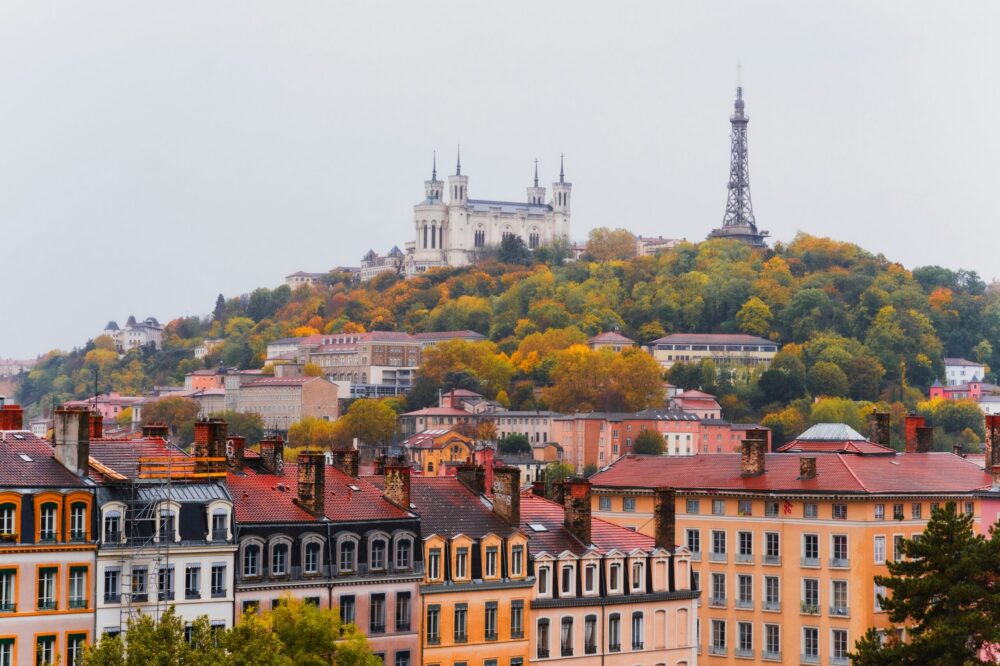
Lyon’s history is not confined to a single era or site. To truly understand the city, combine visits to Roman ruins, Renaissance streets, silk workshops, and modern museums. Start with a walk up Fourvière hill, then descend into Vieux Lyon, and finish with a cruise on the Saône. Each layer adds depth to your appreciation of this UNESCO World Heritage city. Whether you’re a casual traveler or a dedicated history buff, these best places to learn about Lyon’s history will leave you with a profound connection to the past.
Photo by Mihai Vlasceanu on Pexels
I’ve been to the Confluences museum and loved the architecture, but found the exhibits a bit broad. Is it worth going just for Lyon history?
The Musée des Confluences is excellent for context, but it’s not solely focused on Lyon. If your main interest is Lyon’s specific history, you might prefer Musée Gadagne or the Lugdunum museum. However, the building itself and the temporary exhibitions often touch on Lyon’s role in trade and migration, so it can complement your understanding.
Thanks for including the Musée de l’Imprimerie – I hadn’t heard of it. Do they have English descriptions for the exhibits?
Yes, the Musée de l’Imprimerie offers English descriptions for most exhibits, and there are audio guides available in English. It’s a small museum but very well curated, so it’s definitely worth a visit even if you’re not a printing expert.
Great article! I’m planning a trip to Lyon next spring. Which museum would you recommend for someone who only has time for one?
If you can only visit one, go with Musée Gadagne. Its permanent exhibition covers Lyon’s entire history from Roman times to the industrial era, and the Renaissance building itself is a highlight. Plus, the garden offers lovely views.
Are the Roman sites easily accessible for someone with mobility issues? I’d love to see the theater but worry about the hill.
The Théâtre Antique de Fourvière and the Odéon are on a hill, but there is a funicular from Vieux Lyon that takes you up. The museum Lugdunum is also accessible. Some parts of the theater have steps, but the main areas are reachable. Contact the site for specific accessibility details.