
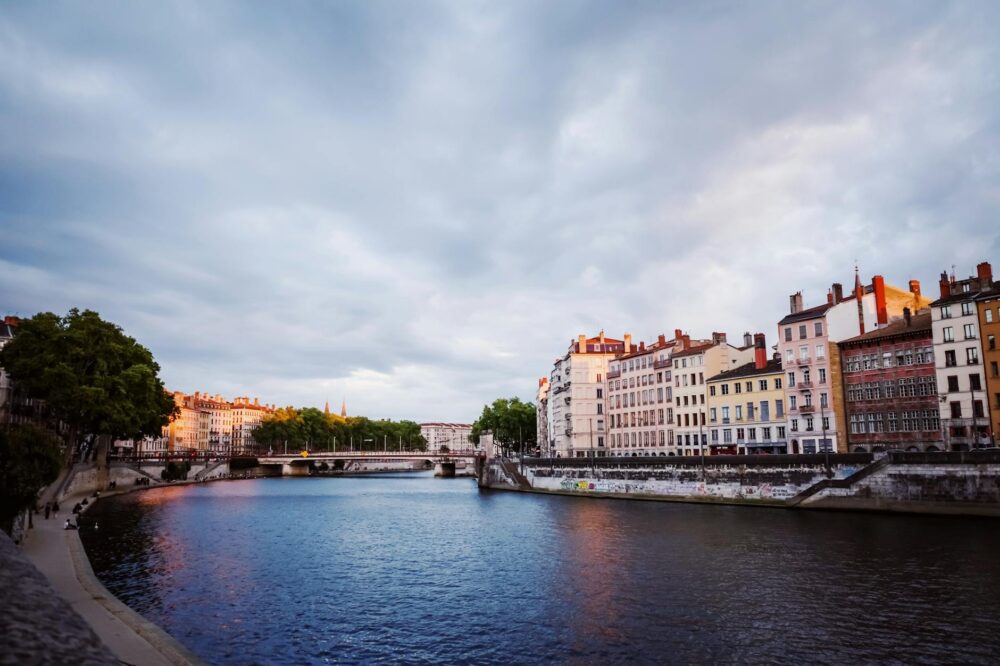
Table des matières:
Why Lyon Is a Dream Destination for History Lovers
Lyon, France’s third-largest city, boasts a history spanning over two millennia. As a UNESCO World Heritage site, its streets are layered with Roman ruins, medieval architecture, Renaissance charm, and industrial heritage. For history buffs, Lyon offers an immersive journey through time. This guide highlights the best things to do in Lyon for history buffs, ensuring you don’t miss any essential sites.
Walk Through Roman Lugdunum: Ancient Theater and Museum
Begin your historical exploration on Fourvière Hill, the birthplace of Lyon. Here, the Théâtre Antique de Fourvière stands as one of the oldest Roman theaters in France, dating back to 15 BC. With seating for 10,000 spectators, it once hosted dramas and concerts. Today, it’s still used for summer festivals.
Visit the Lugdunum Museum
Adjacent to the theater, the Lugdunum Museum (formerly the Gallo-Roman Museum) houses an impressive collection of artifacts from Roman Lyon. Highlights include the Claudius Tablet, a bronze inscription of a speech by Emperor Claudius, and intricate mosaics. The museum’s architecture, built into the hillside, is a marvel in itself.
Practical Tips for Fourvière
- Getting there: Take the funicular from Vieux Lyon station.
- Best time: Early morning to avoid crowds.
- Combine with: The nearby Basilica of Notre-Dame de Fourvière, which offers panoramic views and a glimpse into Lyon’s religious history.
Explore Vieux Lyon: Europe’s Largest Renaissance District
Descend from Fourvière into Vieux Lyon (Old Lyon), a maze of cobblestone streets and colorful buildings. This area is one of the best preserved Renaissance quarters in Europe, with architecture spanning the 15th to 17th centuries.
Discover the Traboules
Lyon’s traboules are hidden passageways through buildings and courtyards, originally used by silk workers to transport fabrics. Many are open to the public. Look for the traboule at 54 Rue Saint-Jean or 27 Rue du Bœuf. They offer a secret glimpse into medieval urban life.
Visit Saint-Jean Cathedral
The Primatiale Saint-Jean-Baptiste is a Gothic cathedral built between 1180 and 1480. Its astronomical clock (14th century) is a highlight, with automated figures that chime on the hour. The cathedral also houses a treasury with religious relics.
Museums in Vieux Lyon
- Musée Gadagne: A museum of Lyon history and puppetry, housed in a 16th-century mansion.
- Musée de l’Imprimerie: Dedicated to printing history, located in a Renaissance building.
Uncover the Secrets of the Silk Trade in La Croix-Rousse
For a different historical perspective, head to the Croix-Rousse district, once the center of Lyon’s silk industry. This neighborhood is known for its canuts (silk workers) and their revolts in the 19th century.
Maison des Canuts
This museum explains the silk-weaving process and the social history of the canuts. You’ll see working Jacquard looms and learn how Lyon became Europe’s silk capital.
Walk the Montée de la Grande Côte
This steep street offers a scenic route from the Presqu’île to Croix-Rousse, lined with historic buildings and traboules. It’s a great way to experience the neighborhood’s unique topography.
Dive into the Middle Ages at the Musée des Confluences
While the Musée des Confluences is a modern science and anthropology museum, its collections include medieval artifacts and natural history specimens. The building itself, at the confluence of the Rhône and Saône rivers, is an architectural landmark. For a focused medieval experience, visit the Musée d’Art Religieux in Fourvière or the Musée de la Civilisation Gallo-Romaine mentioned earlier.
Walk Through History on the Presqu’île



The Presqu’île (peninsula) between the two rivers is home to Lyon’s grand squares and 19th-century architecture. Place Bellecour, one of Europe’s largest pedestrian squares, features a statue of Louis XIV. Nearby, the Hôtel de Ville (City Hall) and Opéra Nouvel showcase Baroque and modern design.
Visit the Musée des Beaux-Arts
Housed in a former Benedictine convent, this museum features art from antiquity to the 20th century. Its collection includes works by Rembrandt, Monet, and Rodin, offering a cultural timeline.
Discover Lyon’s WWII Resistance History
Lyon was a hub of the French Resistance during World War II. The Centre d’Histoire de la Résistance et de la Déportation (CHRD) documents this period through personal accounts, artifacts, and exhibits. It’s located in the former Gestapo headquarters, adding to its poignancy.
Memorial Sites
- Place de la République: A site of Nazi roundups.
- Montluc Prison: Where Resistance members were held; now a memorial.
Practical Checklist for History Buffs
| Site | Era | Time Needed | Tips |
|---|---|---|---|
| Théâtre Antique & Lugdunum | Roman | 2-3 hours | Combine with basilica; funicular from Vieux Lyon |
| Vieux Lyon & Traboules | Renaissance | Half day | Join a guided tour for hidden traboules |
| Croix-Rousse & Maison des Canuts | 19th century | 2 hours | Visit on a weekday for demonstrations |
| CHRD (Resistance Museum) | WWII | 1.5-2 hours | Check for temporary exhibits |
| Musée des Beaux-Arts | Antiquity-20th c. | 2-3 hours | Free on first Sunday of month |
Common Mistakes to Avoid
- Overlooking the traboules: Many are hidden; use a map or join a tour.
- Skipping the Lugdunum Museum: It’s essential for Roman history.
- Not booking ahead: Theatres and museums can have long queues.
- Sticking to one district: Lyon’s history spans multiple neighborhoods.
Frequently Asked Questions
What is the best time of year to visit Lyon for history?
Spring (April-June) and fall (September-October) offer mild weather and fewer tourists. Summer can be crowded, but many festivals take place.
How many days do I need to see Lyon’s historical sites?
At least 2-3 days to cover Roman, Renaissance, and modern history without rushing.
Are there guided tours focused on history?
Yes, many companies offer walking tours of Vieux Lyon, Croix-Rousse, and the traboules. The tourist office also has themed tours.
Is Lyon safe for solo history travelers?
Lyon is generally safe, but like any city, watch your belongings in crowded areas.
Can I visit the Roman theater for free?
The theater is free to enter when no events are scheduled. The Lugdunum Museum charges an entrance fee.
What is the historical significance of the traboules?
Traboules were used by silk workers to transport fabrics and by Resistance fighters during WWII to evade Nazis.
Your Next Steps: Crafting the Perfect Historical Itinerary
Now that you know the best things to do in Lyon for history buffs, plan your trip by prioritizing the eras that interest you most. Start with Roman Lugdunum, then explore Renaissance Vieux Lyon, and finish with the silk district or WWII sites. Consider purchasing the Lyon City Card for free museum entry and public transport. Don’t forget to wander aimlessly—some of Lyon’s best historical secrets are found off the beaten path. Enjoy your journey through time!
Photo by Andreas Schnabl on Pexels
Great guide! I’m planning a trip to Lyon next spring. For the Roman theater, is it possible to visit the site without going to the museum?
Yes, you can visit the Théâtre Antique de Fourvière independently without entering the Lugdunum Museum. The theater is an open-air site accessible via the funicular. However, if you want to see artifacts like the Claudius Tablet, you’ll need a museum ticket.
I’m interested in the astronomical clock at Saint-Jean Cathedral. Is it always on display, and what time does it chime?
The astronomical clock is on permanent display inside the cathedral. It chimes on the hour, but the automated figures move at specific times—usually at noon, 2 PM, 3 PM, and 4 PM. Arrive a few minutes early to see the full show.
The Maison des Canuts sounds fascinating. Are the Jacquard looms still operational, and do they give demonstrations?
Yes, the Maison des Canuts has working Jacquard looms and offers live demonstrations during guided tours. You’ll see how the intricate silk patterns were woven. It’s a highlight for understanding Lyon’s industrial heritage.
Are there any combination tickets for the Roman sites on Fourvière Hill?
Yes, you can buy a combined ticket for the Lugdunum Museum and the ancient theater. It offers a small discount compared to separate tickets. Check the museum’s official website for current prices and any seasonal offers.
I’ve heard about the traboules but didn’t realize there are specific addresses where you can enter. Are they clearly marked, or do you need a map?
Many traboules are marked with a small plaque, but it’s helpful to have a map or use a guided tour. The tourist office offers a traboule map, and some are easy to spot—like at 54 Rue Saint-Jean. Just remember to be respectful of residents.