
Table des matières:
Why Rome’s Panini Scene Is Better Than Ever in 2026
Rome has always been a city of layered flavors—and its panini are no exception. In 2026, the Eternal City’s cafe culture is thriving, with artisanal bakeries, gourmet delis, and century-old rosticcerie all vying for the title of best panini. Whether you’re a first-time visitor or a seasoned traveler, knowing which cafes in Rome have the best panini in 2026 can transform a simple lunch into a memorable Roman moment.
This guide cuts through the tourist traps to bring you the cafes that locals love. We’ll cover the classics, the newcomers, and the hidden gems so you can eat like a true Roman.
What Makes a Great Roman Panini?
Before diving into the list, it helps to understand what separates a great panini from a mediocre one. A top-tier Roman panini relies on three pillars:
- Bread: Crispy, chewy, and often from a local forno (bakery). Look for pane casareccio, ciabatta, or rosetta rolls.
- Ingredients: High-quality prosciutto, mortadella, fresh mozzarella or scamorza, sun-dried tomatoes, arugula, and a drizzle of extra-virgin olive oil.
- Preparation: Pressed hot on a griddle or panini press until the bread is golden and the cheese melts slightly—never soggy.
The best cafes in Rome master this balance. They also offer a variety of options, from classic Italian combos to creative vegetarian twists.
Top 5 Cafes in Rome for the Best Panini in 2026
After extensive tasting and local recommendations, here are the cafes that stand out this year. Each brings something unique to the table.
1. Pane e Salame – The Quintessential Roman Panini
Located near Piazza Bologna, Pane e Salame is a tiny spot that packs a huge flavor punch. Their menu is simple: choose your bread, your protein, your cheese, and your veggies. The result is a personalized panini made to order.
Signature panini: Try the “Bomba” with mortadella, fresh mozzarella, and pistachio pesto. The bread is always warm and crunchy.
Why it’s a 2026 favorite: They source ingredients from small producers and the service is genuine. Expect a queue at lunchtime—it’s worth the wait.
2. Antico Forno Roscioli – A Historic Bakery with a Modern Twist
Roscioli is a name synonymous with Roman gastronomy. Their bakery near Campo de’ Fiori is legendary for pizza bianca, but their panini are equally stellar. The secret? The bread is baked fresh every few hours.
Signature panini: The “Roscioli Special” with prosciutto crudo, buffalo mozzarella, and arugula. The bread is so light you could eat two.
Why it’s a 2026 favorite: Roscioli has perfected the art of the panini over decades. In 2026, they’ve added a few seasonal options like truffle and mushroom in autumn.
3. La Prosciutteria – A Meat Lover’s Paradise
With locations near Trevi Fountain and Piazza Navona, La Prosciutteria is a Tuscan-inspired spot that focuses on cured meats. Their panini are generous, messy, and utterly delicious.
Signature panini: The “Toscanaccio” with finocchiona salami, pecorino, and a drizzle of honey. The combination of savory and sweet is unforgettable.
Why it’s a 2026 favorite: They offer a “choose your own adventure” option where you pick three meats and two cheeses. Perfect for groups.
4. Il Forno di Campo de’ Fiori – Street Food at Its Best
This no-frills bakery in the heart of Campo de’ Fiori market has been serving locals for decades. Their panini are simple, affordable, and made with the freshest ingredients from the market.
Signature panini: The “Campo” with porchetta, arugula, and a squeeze of lemon. The porchetta is roasted on-site.
Why it’s a 2026 favorite: In 2026, they’ve expanded their vegetarian options, including a grilled vegetable and smoked scamorza panini that rivals the meat versions.
5. 200 Gradi – The Modern Artisan
A relative newcomer, 200 Gradi has quickly become a cult favorite among young Romans. The name refers to the 200-degree Celsius oven they use to toast the bread. Their panini are compact, flavorful, and beautifully layered.
Signature panini: The “Gourmet” with bresaola, rucola, grana padano, and a balsamic reduction. The bread is a soft, buttery brioche-like bun.
Why it’s a 2026 favorite: 200 Gradi experiments with international flavors while respecting Italian traditions. Try the “Siciliano” with grilled eggplant, ricotta salata, and mint.
Hidden Gems: Off-the-Beaten-Path Cafes
If you want to escape the crowds, these lesser-known cafes serve panini that rival the famous spots.
Pasticceria De Bellis
In the Trastevere neighborhood, this pastry shop also makes excellent panini. Their “Tramezzino” (a soft, crustless sandwich) is a local secret. Try the tuna and artichoke version.
Forno da Milvio
Near the Vatican, this bakery is a favorite of priests and pilgrims. Their pizza bianca panini with prosciutto and mozzarella is a steal at €4.
Mondo Arancina
Though known for arancini, their panini with Sicilian ingredients (like caponata and provola) are a delightful surprise.
Checklist: How to Order the Perfect Panini Like a Local
Ordering a panini in Rome can be intimidating if you don’t speak Italian. Use this checklist to get it right:
- Choose your bread: Rosetta (round and hollow), ciabatta, or pane carasau (crispy flatbread).
- Pick a protein: Prosciutto crudo (raw ham), cotto (cooked ham), mortadella, salami, or porchetta.
- Add cheese: Mozzarella, scamorza, provola, or pecorino.
- Select veggies: Arugula, sun-dried tomatoes, grilled zucchini, or roasted peppers.
- Ask for condiments: A drizzle of olive oil, balsamic glaze, or pesto.
- Specify “caldo” (hot) or “freddo” (cold): Most panini are pressed hot unless you ask otherwise.
Mistake to avoid: Don’t ask for “panino” with chicken or turkey—those are not traditional in Rome. Stick to classic Italian meats.
Frequently Asked Questions About Panini in Rome
What is the difference between a panino and a tramezzino?
A panino is a pressed, grilled sandwich made with crusty bread. A tramezzino is a soft, crustless sandwich often filled with tuna, egg, or ham and served cold.
Are there vegetarian panini options in Rome?
Yes, most cafes offer vegetarian panini. Look for options with grilled vegetables, mozzarella, pesto, and sun-dried tomatoes. Antico Forno Roscioli and Il Forno di Campo de’ Fiori have excellent choices.
How much should I expect to pay for a panini in Rome in 2026?
A good panini costs between €5 and €10. Tourist-heavy areas may charge more, but the quality often matches the price.
Can I find gluten-free panini in Rome?
Yes, some cafes like 200 Gradi offer gluten-free bread options. Always ask if they have “senza glutine” (gluten-free) bread.
What is the best time to eat a panini in Rome?
Lunch is the prime time, typically from 12:30 to 2:30 PM. Many cafes sell out of popular ingredients by early afternoon, so go early.
Do Roman cafes offer panini for takeaway?
Absolutely. Most cafes wrap your panini in paper for easy takeaway. Eating it on a bench in a piazza is a classic Roman experience.
Final Thoughts: Your 2026 Panini Journey Awaits
Rome’s cafe scene in 2026 is a treasure trove for panini lovers. From the historic counters of Roscioli to the modern flair of 200 Gradi, there is a perfect panini waiting for you. Remember to explore beyond the main tourist streets, ask locals for their favorites, and never settle for a sad, pre-made sandwich. The best panini are made with love, fresh bread, and quality ingredients—exactly what you’ll find at the cafes we’ve highlighted.
So next time you’re in Rome and wondering which cafes have the best panini in 2026, use this guide as your starting point. Buon appetito!
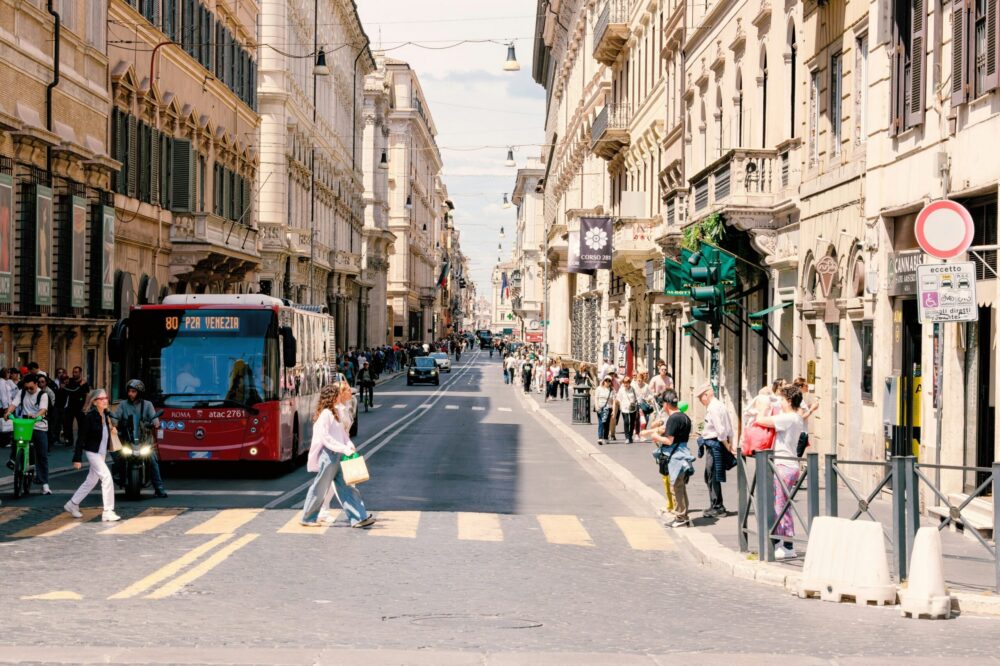
Photo by Gabriella Clare Marino on Unsplash
Do any of these cafes offer gluten-free bread options? My partner has celiac disease and we’re planning a trip to Rome in 2026.
Great question! While traditional Roman panini rely on wheat-based bread, some cafes are accommodating gluten-free diets. Pane e Salame may offer a gluten-free option upon request, and Antico Forno Roscioli sometimes has gluten-free pizza bianca, but it’s best to call ahead. For a dedicated gluten-free panini, try Voglia di Pizza near the Vatican—they have a separate kitchen for celiac-safe options.
I’ve been to Pane e Salame and it’s fantastic, but the queue can be long. Is there a best time to go to avoid the rush?
Absolutely! Pane e Salame is busiest between 12:30 PM and 2:00 PM. To avoid the longest lines, aim for an early lunch around 11:30 AM or a late lunch after 2:30 PM. Weekdays are generally quieter than weekends. If you’re flexible, you can also order takeaway to skip the queue.
Thanks for the guide! Are these cafes suitable for vegetarians? I don’t eat meat.
Yes, several of these cafes have excellent vegetarian options. At Pane e Salame, you can build your own with fresh mozzarella, grilled veggies, and pesto. Antico Forno Roscioli often has a vegetarian special like the ‘Roscioli Verde’ with zucchini, eggplant, and pecorino. La Prosciutteria is more meat-focused, but they do have a caprese panini. For the best vegetarian variety, I’d also recommend ‘Forno Campo de’ Fiori’ for their spinach and ricotta panini.
We’re visiting in March 2026. Do these cafes have seasonal menus that change throughout the year?
Yes, many Roman cafes adjust their offerings based on seasonal ingredients. Antico Forno Roscioli, for example, adds truffle and mushroom panini in autumn and lighter options like zucchini flowers in spring. Pane e Salame often features seasonal vegetables from local markets. In March, you might find artichoke and pecorino panini, as Roman artichokes are in peak season. It’s always worth asking about the daily specials.
Which of these is closest to the Colosseum? We want a quick lunch between sightseeing.
For proximity to the Colosseum, your best bet is La Prosciutteria near Trevi Fountain, which is about a 15-minute walk or a short taxi ride away. Antico Forno Roscioli near Campo de’ Fiori is also relatively close (about 20 minutes on foot). If you want something even nearer, stop by ‘Pizzarium’ near the Colosseum—it’s famous for pizza al taglio but also makes excellent panini.
I appreciate the focus on quality ingredients. Do these cafes use local producers for their meats and cheeses?
Absolutely! Pane e Salame sources its mortadella and prosciutto from small producers in Emilia-Romagna and Lazio. Antico Forno Roscioli works with local farmers for their buffalo mozzarella and seasonal vegetables. La Prosciutteria imports many of its cured meats from Tuscany, but they also feature Roman specialties like porchetta from Ariccia. Supporting local artisans is a big part of Rome’s food culture, and these cafes take pride in it.