
Rome is a city where every cobblestone whispers history, and its cafes are no exception. If you’re planning a visit in 2026, you’re not just looking for a good espresso—you want to sit where poets wrote, artists sketched, and time slowed down. The best cafes in Rome with a historical ambiance offer more than caffeine; they serve atmosphere steeped in centuries. This guide cuts through the tourist traps to bring you authentic, historic coffee spots that still serve excellence today.
Table des matières:
What Makes a Cafe Historically Ambiance-Rich in Rome?
Not every old cafe qualifies. True historical ambiance means original furnishings, a storied past, and a clientele that includes both locals and legacy. Look for marble counters, brass fittings, vintage signage, and waiters in starched white jackets. Many of these cafes opened in the 1700s or 1800s and have hosted everyone from Italian royalty to international filmmakers. The best ones preserve their original decor while serving modern-quality coffee.
Key Elements of a Historical Cafe
- Original architecture: frescoes, stucco, or wood paneling from the founding era
- Uninterrupted operation for at least 100 years
- Cultural significance: meeting place for artists, writers, or politicians
- Traditional service: coffee served in porcelain cups with silver trays
- Minimal modernization: no glaring neon signs or plastic furniture
Top 7 Best Cafes in Rome with a Historical Ambiance in 2026
After scouring Rome’s centro storico and beyond, these seven stand out for their blend of history, coffee quality, and timeless charm. Each offers a distinct experience, from the grandeur of a former palace to the intimacy of a literary haunt.
1. Caffè Greco – The Grandest Literary Cafe
Location: Via Condotti, near the Spanish Steps
Founded: 1760
Vibe: Opulent, red velvet, gilded mirrors
Established in 1760, Caffè Greco is Rome’s oldest cafe and a living museum. Its narrow, mirrored rooms have hosted Byron, Keats, Goethe, and Casanova. The walls are covered with small paintings and memorabilia. Order a cappuccino (though locals might scoff after 11 AM) and soak in the 18th-century elegance. Prices are higher due to its location, but you’re paying for the history. Pro tip: sit at the counter for a more authentic, less expensive experience.
2. Antico Caffè della Pace – The Artist’s Retreat
Location: Via della Pace, near Piazza Navona
Founded: 1891
Vibe: Art Nouveau, bohemian, ivy-covered
Hidden on a quiet piazza, this cafe feels like a secret garden. Its Liberty-style interior features stained glass, floral motifs, and a cozy outdoor terrace shaded by ivy. In the early 1900s, it was a favorite of Futurist artists and writers. Today, it’s popular with creatives and those seeking refuge from the crowds. Try their espresso or a glass of prosecco with a small pastry.
3. Caffè Sant’Eustachio – The Legendary Espresso
Location: Piazza Sant’Eustachio, near the Pantheon
Founded: 1938
Vibe: No-frills, focused on coffee excellence
While its building isn’t as old as others, Caffè Sant’Eustachio has been perfecting espresso since 1938 and is a Roman institution. The interior is simple: wooden counters, vintage coffee grinders, and a constant line of locals. Their secret? A proprietary roasting process and water from an ancient aqueduct. The coffee is sweet, creamy, and unforgettable. Mistake to avoid: don’t ask for a latte; order a caffè or macchiato.
4. Caffè Tazza d’Oro – Coffee by the Pantheon
Location: Via degli Orfani, next to the Pantheon
Founded: 1946
Vibe: Bustling, retro-chic, yellow-and-black decor
Known for its high-quality espresso and granita di caffè (coffee slush with cream), Tazza d’Oro has a mid-century modern feel. The original bar, with its curved marble counter and vintage espresso machines, remains intact. It’s a favorite among locals who stop for a quick shot before work. The historical ambiance here is less about aristocratic grandeur and more about authentic Roman daily life.
5. Caffè Novecento – The Palace Setting
Location: Via del Babuino, near Piazza del Popolo
Founded: 1990 (but housed in a 16th-century palace)
Vibe: Refined, frescoed ceilings, elegant
Though relatively young as a cafe, Caffè Novecento occupies the ground floor of Palazzo Naiadi, a Renaissance palace. The interior boasts original frescoes, marble columns, and chandeliers. It’s a quieter alternative to the busier historic cafes, perfect for a relaxed afternoon tea or aperitivo. The historical ambiance comes from the architecture, not the cafe’s age.
6. Bar del Cappuccino – The Hidden Gem in Trastevere
Location: Via dei Fienaroli, Trastevere
Founded: 1950s
Vibe: Old-school Roman, unpretentious
This family-run bar in Trastevere has barely changed since the 1950s. Formica tables, vintage posters, and a jukebox create a time-capsule atmosphere. It’s not a tourist destination but a local hangout where you can sip an espresso and watch the neighborhood wake up. The coffee is solid, and the cornetti (Italian croissants) are freshly baked. Checklist for an authentic visit: stand at the bar, order a caffè, pay first at the register.
7. Caffè Rocca – The Neighborhood Institution
Location: Via della Lungaretta, Trastevere
Founded: 1940s
Vibe: Lively, traditional, family-run
With its original tile floor and wooden bar, Caffè Rocca has served Trastevere for over 80 years. It’s a spot where grandparents bring grandchildren, and students argue over politics. The historical feel is authentic and uncurated. Try their espresso and a slice of crostata (jam tart).
How to Choose the Right Historical Cafe for Your Visit
Not all historical cafes suit every mood. Here’s a quick comparison to help you decide.
| Cafe | Best For | Price Level | Crowd Factor |
|---|---|---|---|
| Caffè Greco | Grand history, photo-worthy interiors | High | Very busy |
| Antico Caffè della Pace | Romantic hideaway, artistic vibe | Medium | Moderate |
| Caffè Sant’Eustachio | Best espresso, no-frills experience | Low to medium | Very busy |
| Caffè Tazza d’Oro | Quick coffee near Pantheon | Low | Busy |
| Caffè Novecento | Quiet elegance, palace setting | High | Quiet |
| Bar del Cappuccino | Local authenticity, budget-friendly | Low | Local, not touristy |
| Caffè Rocca | Neighborhood feel, family tradition | Low | Local, moderate |
Common Mistakes When Visiting Historical Cafes in Rome
Even savvy travelers slip up. Avoid these pitfalls to enjoy your experience like a Roman.
- Sitting at a table without checking the price: In many historic cafes, table service costs significantly more than standing at the bar. Always ask or check the menu first.
- Ordering a cappuccino after 11 AM: Italians consider it a breakfast drink. After lunch, stick to espresso or macchiato.
- Expecting fast service: Historical cafes pride themselves on a leisurely pace. Embrace the slow rhythm.
- Ignoring the pasticceria: Many historic cafes have an in-house pastry shop. Try a maritozzo (cream-filled bun) or a cannolo.
- Only visiting the most famous ones: Caffè Greco is iconic, but smaller places like Bar del Cappuccino offer a more intimate historical feel.
What to Order at a Historical Roman Cafe
Beyond espresso, these cafes offer traditional drinks and snacks that enhance the experience.
- Caffè espresso: The foundation. Served in a small cup, strong and short.
- Caffè macchiato: Espresso with a drop of milk.
- Cappuccino: Only before noon. In winter, some locals order it after lunch, but it’s rare.
- Granita di caffè con panna: A summer favorite: crushed ice with coffee and whipped cream.
- Maritozzo: A soft bun split and filled with whipped cream. Perfect with a cappuccino for breakfast.
- Aperitivo: In the late afternoon, many historic cafes serve drinks with small snacks. Try a Negroni or a Spritz.
The Future of Historical Cafes in Rome (2026 and Beyond)
In 2026, these cafes face challenges: rising rents, changing tourist habits, and the need to modernize without losing soul. However, many are adapting by offering specialty coffee, hosting cultural events, and extending hours. The best cafes in Rome with a historical ambiance will survive because they offer something digital natives crave: authentic, analog experiences. Expect to see more sustainable practices, like compostable cups and direct-trade beans, but the marble counters and gilt mirrors will stay.
Frequently Asked Questions
Are historical cafes in Rome expensive?
It varies. Standing at the bar is usually affordable (€1–2 for espresso). Table service can cost €5–10 for the same coffee due to the cover charge. At Caffè Greco, a cappuccino at a table can be €12. Always check the price list.
Can I work or use a laptop in these cafes?
Most historical cafes discourage laptops, especially during peak hours. They are designed for socializing and quick coffee breaks. If you need to work, try a modern cafe or go early in the morning.
What is the dress code for historical cafes?
No strict dress code, but smart casual is appreciated. Avoid beachwear or overly casual athletic gear. In upscale cafes like Caffè Novecento, a collared shirt or dress fits the ambiance.
Do I need to tip at a cafe in Rome?
Tipping is not obligatory. Italians often leave small change (€0.20–0.50) at the bar. For table service, a euro or two is generous. Service charge (coperto) is usually included in the bill.
Which historical cafe has the best coffee?
For pure coffee quality, Caffè Sant’Eustachio is widely considered the best. Its espresso is sweet, thick, and perfectly extracted. Tazza d’Oro is also excellent.
Are these cafes suitable for children?
Yes, especially during the day. Children are welcome, and some cafes offer pastries and hot chocolate. However, late evenings may be less child-friendly.
Final Thoughts
In 2026, the best cafes in Rome with a historical ambiance are not just relics—they are living spaces where past and present blend over a perfect espresso. Whether you’re a history buff, a coffee connoisseur, or a traveler seeking authentic Roman moments, these cafes offer a taste of la dolce vita that no modern chain can replicate. Plan your visits, respect the traditions, and savor every sip. Your Roman holiday will be richer for it.
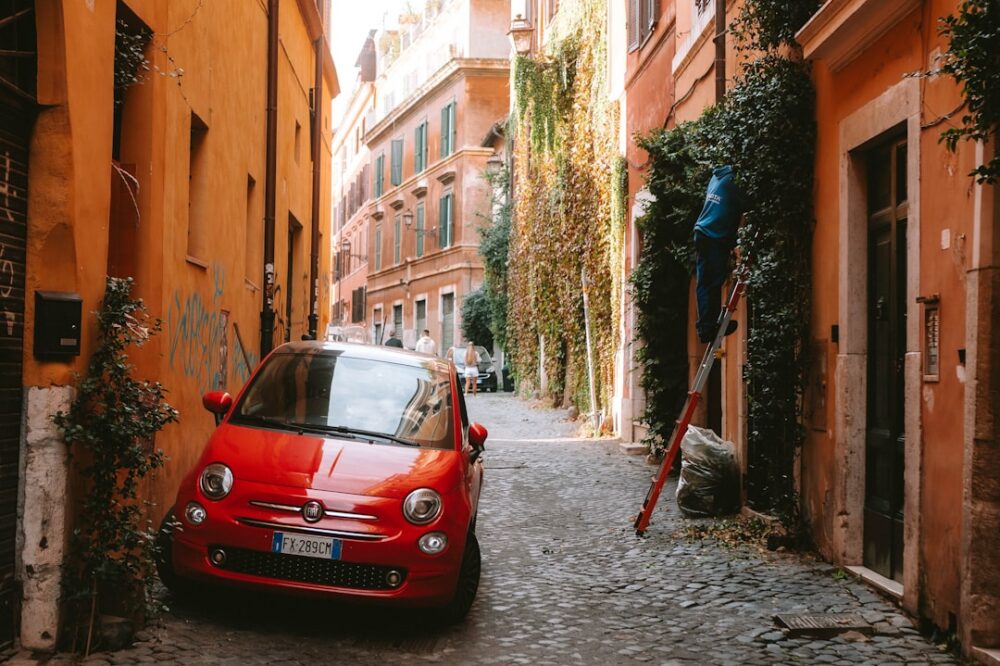
Photo by Oliver Astrologo on Unsplash
Great list! I’m planning a trip to Rome in 2026 and was wondering: are there any historic cafes that also offer gluten-free pastries? My partner has celiac disease, so that’s important for us.
Thanks for the question! Many historic cafes in Rome now accommodate dietary needs. Caffè Greco and Antico Caffè della Pace typically have gluten-free options like rice cakes or biscotti, but it’s best to ask at the counter. Caffè Sant’Eustachio focuses on espresso, so pastries are limited, but nearby bakeries often have GF choices. We recommend confirming directly with the cafe before your visit.
I love that you included Caffè Greco. I’ve read that it can be very touristy. Is it worth the higher prices for the ambiance, or should I stick to the counter as you suggested?
Absolutely worth it for the ambiance—the interiors are stunning and truly transport you back in time. But yes, prices are higher for table service. Sitting at the counter is a great tip: you get the same historical setting, faster service, and a cheaper espresso. Either way, the experience is unique, especially if you go in the morning when it’s quieter.
Thanks for this guide! One thing I’m curious about: do these cafes get very crowded in 2026? I’d love to visit a few but I’m worried about long lines.
Crowds can be an issue, especially at Caffè Greco and Caffè Sant’Eustachio due to their fame. To avoid long waits, try visiting early in the morning (around 8 AM) or late afternoon (3–4 PM). Weekdays are generally quieter than weekends. Antico Caffè della Pace is a bit more off the beaten path and tends to be less crowded, making it a good alternative for a relaxed visit.