
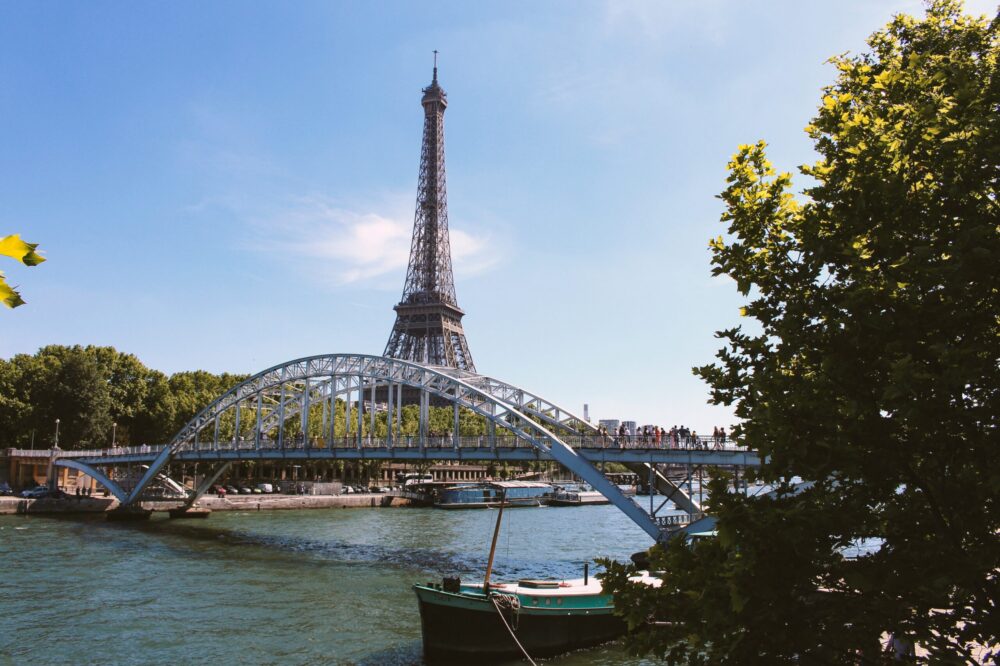
France offers some of Europe’s most spectacular kayaking destinations, with rivers ranging from gentle, family-friendly streams to challenging whitewater runs. Whether you’re a beginner or an experienced paddler, choosing the right city as your base can make or break your adventure. Here are the best cities in France for a kayaking adventure, each offering unique waterways, stunning scenery, and reliable outfitters.
Table des matières:
1. Nice: Kayaking the French Riviera and the Verdon Gorge
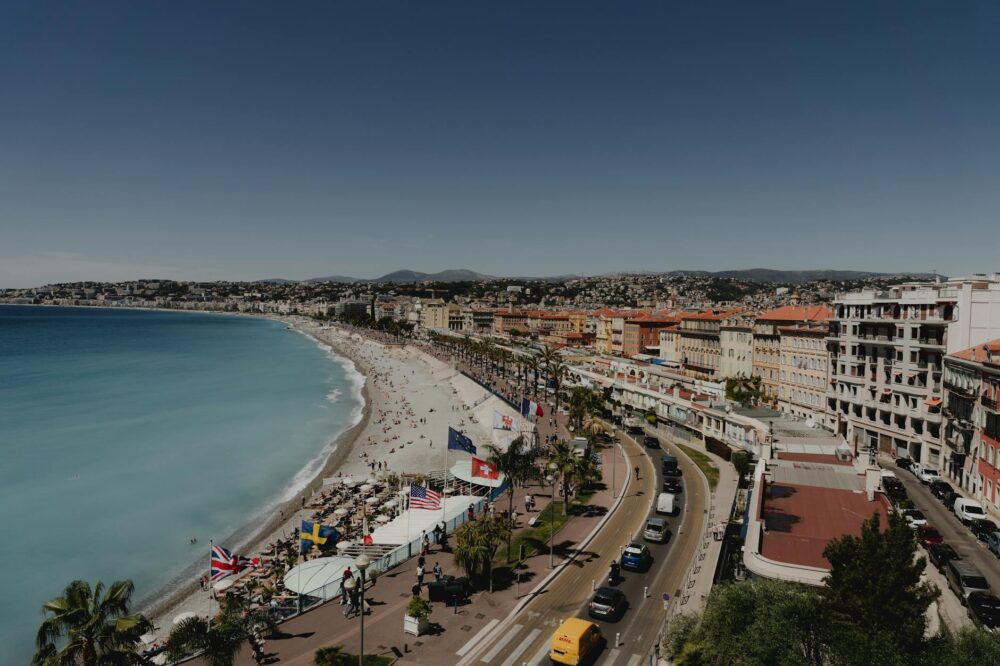
Nice is a gateway to both coastal paddling and the legendary Verdon Gorge. The turquoise waters of the Verdon River cut through limestone cliffs, creating one of Europe’s most dramatic canyon experiences. From Nice, you can easily arrange day trips to the gorge, which offers Class II to IV rapids depending on the season.
Why Nice Stands Out
- Proximity to Verdon Gorge: Only a 1.5-hour drive from Nice.
- Coastal options: Paddle along the Mediterranean, exploring hidden coves and sea caves.
- Year-round mild climate: Kayaking possible from April to October.
Best Kayaking Spots Near Nice
- Verdon Gorge: The classic route from Castellane to the Pont du Galetas covers 25 km of stunning scenery.
- Lac de Sainte-Croix: A calm reservoir at the end of the gorge, ideal for beginners.
- Baie des Anges: Sea kayaking along the Nice coastline, with views of the old town and hills.
| Location | Difficulty | Best Season |
|---|---|---|
| Verdon Gorge | Intermediate to Advanced | May–September |
| Lac de Sainte-Croix | Beginner | April–October |
| Baie des Anges | Beginner to Intermediate | June–September |
2. Chamonix: Alpine Whitewater and Glacial Lakes
Chamonix is famous for mountaineering and skiing, but it’s also a top destination for whitewater kayaking. The Arve River and its tributaries offer challenging rapids for experienced paddlers, while the nearby Lac Blanc provides tranquil flatwater with breathtaking mountain reflections.
Key Attractions
- Arve River: Class III-IV rapids, best in late spring when snowmelt swells the river.
- Lac Blanc: A high-altitude lake (2,352 m) accessible by cable car, perfect for sit-on-top kayaks.
- Guided trips: Many outfitters offer half-day and full-day excursions with all gear.
Pro tip: Water temperatures are cold even in summer; a drysuit is recommended for whitewater.
3. Bordeaux: Paddling Through Vineyards and the Dordogne
Bordeaux is more than wine; it’s a launch point for the Dordogne River, one of France’s most scenic paddling routes. The river meanders through medieval villages, limestone cliffs, and vineyards. This is a gentle, family-friendly destination with mostly Class I-II rapids.
What to Expect
- Scenic floats: The Dordogne from Beynac to La Roque-Gageac is a 12 km stretch with castles and caves.
- Wine and paddle combos: Some tours include vineyard visits and tastings.
- Wildlife: Herons, kingfishers, and even otters are common sights.
| Route | Distance | Duration |
|---|---|---|
| Beynac to La Roque-Gageac | 12 km | 2–3 hours |
| Domme to Vitrac | 8 km | 1.5–2 hours |
4. Lyon: Urban Kayaking and the Rhône River
Lyon offers a unique urban kayaking experience. The Rhône and Saône rivers flow through the city, with dedicated kayak lanes and calm waters. It’s perfect for beginners or those who want to combine city sightseeing with paddling.
Highlights
- Urban route: Paddle past the old town (Vieux Lyon), the Basilica of Notre-Dame de Fourvière, and modern Confluence district.
- Easy access: Rental stations at Parc de la Tête d’Or and along the quays.
- Night paddling: Some operators offer sunset or evening tours with city lights.
Note: The Rhône has stronger currents; stick to the Saône for a more relaxed experience.
5. Avignon: The Wild Ardèche Gorge
Avignon is the best base for exploring the Ardèche Gorge, a 30 km canyon with limestone arches and emerald water. The Ardèche River is famous for the Pont d’Arc, a natural stone bridge. The gorge offers Class II-III rapids, suitable for intermediate paddlers.
Why Avignon?
- Central location: 1 hour from the Ardèche and close to the Rhône.
- Historical charm: The city itself is a UNESCO site with the Palais des Papes.
- Multi-day options: Many outfitters offer 2–3 day descents with camping along the river.
Essential Checklist for the Ardèche
- Water shoes (sharp rocks)
- Dry bag for valuables
- Sunscreen and hat
- Plenty of water (2 liters per person)
- Camera with waterproof housing
6. Toulouse: The Garonne and the Tarn Gorges
Toulouse, the ‘Pink City,’ is a hub for paddling the Garonne River and the nearby Tarn Gorges. The Tarn offers dramatic canyoning and whitewater, while the Garonne is more relaxed. This area is less crowded than the Ardèche, providing a more secluded adventure.
Best Routes
- Tarn Gorges: Class III-IV rapids, best in spring. The 50 km stretch from Ispagnac to Le Rozier is iconic.
- Garonne River: Flatwater sections near Toulouse, ideal for beginners.
- Lac de la Raviège: A large lake for calm paddling and picnics.
7. Brest: Sea Kayaking in Brittany
Brest is the capital of sea kayaking in France. The rugged coastline of Finistère offers sea caves, cliffs, and islands. The Iroise Sea is home to seals, dolphins, and seabirds. This is for paddlers who want ocean adventure and tidal currents.
What Makes Brest Unique
- Presqu’île de Crozon: A peninsula with stunning sea kayak routes.
- Île d’Ouessant: A remote island trip, best with a guide due to strong currents.
- Tidal races: Experienced paddlers can ride the Raz de Sein, a famous tidal race.
| Location | Difficulty | Recommended Experience |
|---|---|---|
| Crozon Peninsula | Intermediate | Some sea kayaking experience |
| Île d’Ouessant | Advanced | Expert level, tidal knowledge |
| Raz de Sein | Expert | Advanced sea kayaker |
8. Paris: Kayaking the Seine
Paris might not be the first city that comes to mind for kayaking, but the Seine offers a unique urban paddle. Several companies offer guided tours past the Eiffel Tower, Notre-Dame, and the Louvre. It’s a leisurely, beginner-friendly experience.
What to Know
- Tour duration: Usually 1–2 hours.
- Equipment: All provided, including life jackets.
- Best time: Spring to autumn; avoid winter floods.
Tip: Book early morning or sunset for fewer boats and better light.
FAQs
What is the best time of year for kayaking in France?
Generally, May to September offers the best weather and water conditions. Spring (April–June) has higher water levels for whitewater, while summer (July–August) is ideal for sea kayaking and calm rivers.
Do I need experience to kayak in France?
No, many locations offer beginner-friendly routes and guided tours. For whitewater, some experience is recommended, but beginners can start on flatwater lakes or gentle rivers like the Dordogne.
Can I rent kayaking equipment in France?
Yes, most popular kayaking cities have rental shops and guided tour operators. Equipment typically includes kayak, paddle, life jacket, and dry bag. For remote areas, it’s best to book in advance.
Is sea kayaking in Brittany safe for beginners?
Sea kayaking in Brittany can be challenging due to tides and currents. Beginners should join a guided tour or stick to sheltered bays. Always check tide tables and weather forecasts.
What should I pack for a kayaking trip in France?
Essentials: quick-drying clothing, water shoes, sun protection, plenty of water, snacks, dry bag, and a change of clothes. For whitewater, a wetsuit or drysuit may be necessary.
Are there any age restrictions for kayaking in France?
Most outfitters allow children from age 6 or 8 on calm waters, with adult supervision. Whitewater trips typically have a minimum age of 12–14. Check with the operator.
France is a paddler’s paradise, with cities offering access to diverse waterways. Whether you choose the alpine thrills of Chamonix, the vineyard-lined Dordogne from Bordeaux, or the coastal wonders of Brest, each destination provides a unique perspective on France’s natural beauty. Plan your trip according to your skill level, preferred scenery, and season, and you’ll have an unforgettable kayaking adventure.
Photo by VENUS MAJOR on Unsplash

Great list! I’m planning a trip to France with my family, and we’re beginners. Which city would you recommend as the most beginner-friendly base for kayaking?
For beginners, Bordeaux is an excellent choice. The Dordogne River offers mostly Class I-II rapids, calm waters, and stunning scenery. It’s very family-friendly and many outfitters provide easy rentals and guided tours. Nice also has beginner options like Lac de Sainte-Croix and coastal paddling.
I’m an experienced whitewater kayaker. Are there any specific rivers near Chamonix that are particularly challenging?
Yes, the Arve River near Chamonix features Class III-IV rapids, especially in late spring when snowmelt increases flow. For more advanced runs, you can also explore the Dranse River or the Upper Giffre. Always check water levels and consider hiring a local guide for the best and safest experience.
Is kayaking in the Verdon Gorge suitable for a day trip from Nice, or do you need more time?
A day trip from Nice to the Verdon Gorge is definitely doable. It’s about a 1.5-hour drive each way. You can kayak a section of the gorge in a few hours, such as from Castellane to Pont du Galetas. Many outfitters offer half-day trips, leaving time to enjoy the scenery. For a more relaxed experience, you might consider an overnight stay.
What about the water temperature in Lac Blanc near Chamonix? Is it too cold for a sit-on-top kayak in summer?
Lac Blanc is a high-altitude lake, so water temperatures remain quite cold even in summer, often around 10-15°C (50-59°F). A drysuit or wetsuit is recommended, especially for extended paddling. However, the views of the Mont Blanc massif are stunning, and many find it worth the chill. Some outfitters provide appropriate gear.
Do you need to bring your own kayak, or are rentals easily available in these cities?
Rentals are widely available in all the cities mentioned. In Nice, Chamonix, Bordeaux, and Lyon, numerous outfitters offer kayak rentals, guided trips, and gear. For the Verdon Gorge and Dordogne, you can rent from local bases near the river. It’s best to book in advance during peak season to ensure availability.