
Table des matières:
The Quest for the Perfect Caffè Ristretto in Rome
Rome is the epicenter of espresso culture, and among its many coffee offerings, caffè ristretto stands out as a concentrated, intense shot that captures the essence of Italian coffee. In 2026, the pursuit of the best ristretto leads to both historic institutions and innovative new roasters. This guide cuts through the noise to pinpoint where you’ll find the most balanced, aromatic, and expertly pulled ristretto shots in the Eternal City.
What Exactly Is a Caffè Ristretto?
Before diving into locations, it helps to understand what makes a ristretto distinct. A ristretto (Italian for “restricted”) uses the same amount of coffee grounds as a standard espresso but roughly half the water. The result is a smaller, more concentrated shot—typically 15-20 ml—with a thicker crema and a sweeter, less bitter profile. It’s not just a stronger espresso; it’s a different extraction that highlights the coffee’s delicate flavors.
Why Seek Ristretto in Rome?
Rome’s coffee tradition prizes balance and speed. A well-made ristretto offers a quick, flavorful jolt without the diluted taste of a lungo. Locals often order it after a meal or as a mid-morning pick-me-up. In 2026, the city’s coffee scene continues to evolve, with third-wave cafes joining historic bars, but the classic ristretto remains a benchmark of barista skill.
Top 10 Places for Caffè Ristretto in Rome 2026
Based on recent reviews, local recommendations, and our own tastings, here are the must-visit spots for ristretto lovers.
| Cafe Name | Neighborhood | Ristretto Style | Price (€) |
|---|---|---|---|
| Sant’Eustachio Il Caffè | Sant’Eustachio | Rich, creamy, slightly sweet | 1.50 |
| La Casa del Caffè Tazza d’Oro | Pantheon | Intense, dark chocolate notes | 1.30 |
| Roscioli Caffè | Regola | Balanced, fruity acidity | 1.80 |
| Sciascia Caffè 1919 | Prati | Velvety, with caramel undertones | 1.40 |
| Farò Caffè | Trastevere | Modern, single-origin options | 2.00 |
| Caffè Nanni | Testaccio | Traditional, full-bodied | 1.20 |
| Pergamino Caffè | Monti | Specialty, bright and clean | 2.20 |
| Bar del Cappuccino | Parioli | Classic Roman style | 1.10 |
| Antico Caffè Greco | Via Condotti | Historic, elegant | 2.50 |
| Canova Tadolini | Piazza del Popolo | Art-filled, robust | 1.60 |
1. Sant’Eustachio Il Caffè: The Iconic Choice
Located near the Pantheon, this legendary cafe has been serving coffee since 1938. Their ristretto is renowned for its thick, hazelnut-colored crema and a sweetness that lingers. The secret? A proprietary blend and a unique roasting method. Order at the counter and drink it standing—it’s the Roman way.
2. La Casa del Caffè Tazza d’Oro: A Pantheon Gem
Just steps from the Pantheon, Tazza d’Oro is a staple for coffee purists. Their ristretto is intense, with dark chocolate notes and a syrupy body. They source high-quality Arabica beans and roast them dark but not burnt. Pro tip: buy their beans to take home.
3. Roscioli Caffè: Gourmet and Modern
Roscioli is more than a cafe—it’s a foodie destination. Their ristretto uses single-origin beans from top Italian roasters. Expect a balanced shot with fruity acidity and a clean finish. The knowledgeable staff can explain the origin of each blend. Pair it with a pastry from their bakery.
4. Sciascia Caffè 1919: Old-World Charm
In the Prati district, Sciascia has been a family-run institution for over a century. Their ristretto is velvety, with caramel undertones and a lingering sweetness. The interior is adorned with vintage coffee memorabilia. It’s a favorite among locals who appreciate tradition.
5. Farò Caffè: Third-Wave Excellence
For those seeking a modern twist, Farò in Trastevere is a specialty coffee haven. They offer ristretto made from single-origin Ethiopian or Colombian beans, highlighting floral and citrus notes. The baristas are trained in precise extraction techniques. This is where to taste the future of Roman coffee.
How to Order a Ristretto Like a Local
Avoid common tourist mistakes. When you approach the counter, say “Un ristretto, per favore.” If you want it in a small ceramic cup (tazzina), just ask for “una tazzina di ristretto.” Do not ask for a “short espresso”—that’s not Italian. And never order a ristretto with milk after 11 a.m.; locals consider it a morning-only drink.
Common Mistakes Tourists Make


- Asking for a “double ristretto”—it’s not standard; order two separate shots.
- Adding sugar before tasting—ristretto is naturally sweet.
- Expecting a large cup—ristretto is served in a demitasse.
- Stirring the crema—it’s part of the experience.
Ristretto vs. Espresso vs. Lungo: A Quick Comparison
Understanding the differences helps you choose what you prefer.
| Type | Water Volume | Extraction Time | Flavor Profile |
|---|---|---|---|
| Ristretto | 15-20 ml | 15-20 seconds | Sweet, concentrated, low bitterness |
| Espresso | 25-30 ml | 20-30 seconds | Balanced, bold |
| Lungo | 40-50 ml | 30-40 seconds | More bitter, diluted |
Beyond the Cup: Coffee Culture in Rome 2026
The ristretto is more than a drink—it’s a ritual. In 2026, Rome’s coffee scene is embracing sustainability and traceability. Many cafes now offer organic or fair-trade options. Some even list the altitude and processing method of their beans. This shift enhances the ristretto experience, as single-origin shots can express unique terroir.
What to Look for in a Great Ristretto
- Crema: Should be thick, with a reddish-brown hue.
- Temperature: Ideally 90-96°C (194-205°F).
- Mouthfeel: Syrupy, coating the tongue.
- Aftertaste: Sweet or fruity, never harsh.
Seasonal and Time-of-Day Tips
Morning ristrettos are often more robust, while afternoon shots can be lighter. Some cafes like Roscioli offer different blends for different times. Also, consider visiting during the Rome Coffee Festival (usually in October) for tastings and workshops.
Frequently Asked Questions
Is caffè ristretto stronger than espresso?
In terms of caffeine per volume, yes—but since the volume is smaller, total caffeine is similar. The perception of strength comes from the intense flavor.
Can I get a ristretto to-go in Rome?
Yes, but it’s less common. Many cafes serve it in a paper cup, but the crema may dissipate. For the best experience, drink it at the bar.
What’s the average price for a ristretto in Rome in 2026?
Expect to pay between €1.10 and €2.50, depending on the location and quality. Historic cafes and specialty spots are on the higher end.
Do Roman cafes use Arabica or Robusta beans?
Most traditional blends use a mix, with Robusta adding crema and body. However, specialty cafes often use 100% Arabica for a cleaner taste.
What time of day is best for a ristretto?
It’s traditionally a morning or after-dinner drink. Avoid ordering it after a heavy meal—it’s meant to cleanse the palate, not fill you up.
Can I find a ristretto in Rome’s tourist hotspots?
Yes, but quality varies. Near the Colosseum or Trevi Fountain, stick to well-known chains like Tazza d’Oro or Sant’Eustachio for guaranteed excellence.
Final Sip: Your 2026 Ristretto Map
Rome’s best caffè ristretto in 2026 is waiting at these curated spots. Whether you prefer the historic charm of Sant’Eustachio or the innovation of Farò, each cafe offers a unique interpretation. Remember to order standing, sip quickly, and savor the moment. The perfect ristretto is not just a coffee—it’s a Roman experience. So next time you’re in the Eternal City, skip the tourist traps and head straight to these addresses. Your taste buds will thank you.
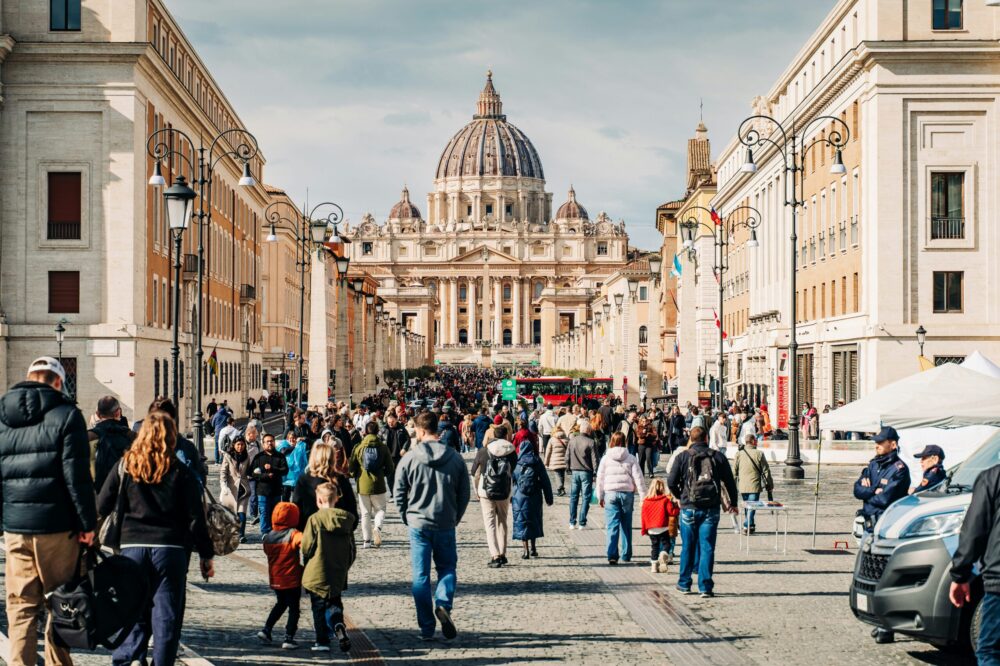
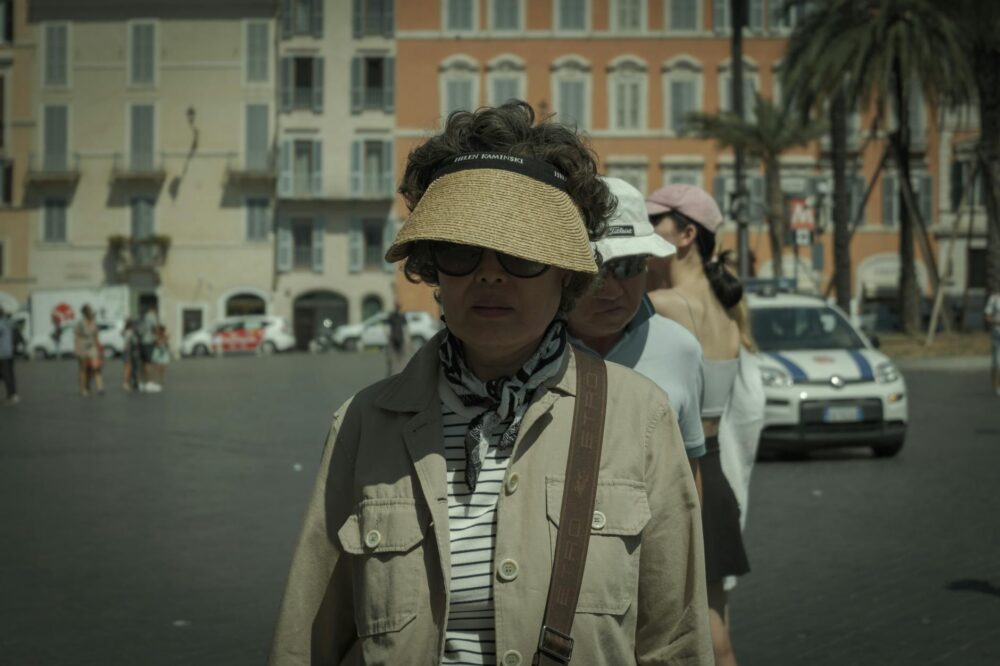
Photo by Gabriella Clare Marino on Unsplash
I’ve always thought ristretto was just a smaller espresso. The article’s explanation about the different extraction really clarifies why it tastes sweeter. Thanks!
You’re welcome! Yes, the restricted water volume extracts different flavor compounds, resulting in a sweeter, less bitter shot. It’s a great choice for tasting the bean’s character.
Do any of these places offer single-origin ristretto options? I’m curious about Farò Caffè’s modern approach.
Farò Caffè in Trastevere is known for single-origin ristretto options, often rotating beans from different regions. Pergamino Caffè in Monti also offers specialty ristretto with bright, clean flavors. Both are excellent for exploring unique profiles.
I’m visiting Rome in 2026 and want to try ristretto like a local. Should I order at the counter or sit down?
For an authentic experience, order at the counter and drink it standing. It’s faster, cheaper, and the traditional Roman way. Sitting down usually costs more and is less common for a quick coffee.
The price range is helpful. Can you recommend a budget-friendly spot that still has a great ristretto?
Bar del Cappuccino in Parioli and Caffè Nanni in Testaccio both offer excellent traditional ristretto for around €1.10–€1.20. They’re classic Roman bars with quality shots at a fair price.
I’m sensitive to acidity in coffee. Which of these cafes would have a less acidic ristretto?
For a less acidic ristretto, try Sant’Eustachio Il Caffè or Sciascia Caffè 1919—they have rich, creamy profiles with caramel or hazelnut notes. Roscioli Caffè tends to have fruity acidity, so you might want to skip that one.
Is it true that ristretto has more caffeine than espresso? I’ve heard conflicting things.
Actually, a ristretto typically has slightly less caffeine than a standard espresso because the extraction time is shorter. However, it’s more concentrated, so the perception of strength can be misleading. It’s about flavor, not caffeine.
Great list! I’d add that the atmosphere at Sant’Eustachio is part of the experience—watching them pull shots is mesmerizing.
Absolutely! The theater of coffee-making at Sant’Eustachio is iconic. Their dedication to tradition and quality makes every visit memorable. Glad you enjoyed it!