
Table des matières:
Your Search for the Perfect Caffè Marocchino Ends Here
Florence is a city where coffee culture runs deep. Among its many espresso-based drinks, the caffè marocchino stands out—a layered delight of espresso, cocoa powder, and milk foam, often served in a small glass. But where can you find the best caffè marocchino in Florence in 2026? This guide answers that question, drawing on local knowledge, recent openings, and time-tested traditions.
What Makes a Caffè Marocchino Authentic?
Before diving into specific cafés, it helps to understand what defines this drink. A true caffè marocchino consists of:
- A single or double shot of espresso
- A dusting of unsweetened cocoa powder (sometimes mixed with cinnamon)
- A layer of thick, velvety milk foam (not steamed milk)
- Served in a small, clear glass to showcase the layers
Variations exist—some cafés add chocolate syrup, whipped cream, or even a hint of liqueur. But the classic version remains minimalist and bold.
Top Cafés for Caffè Marocchino in Florence (2026 Update)
1. Caffè Gilli: A Historic Icon
Located in Piazza della Repubblica, Caffè Gilli has been serving Florentines since 1733. Their caffè marocchino is a work of art: a perfectly pulled espresso topped with a thick, velvety foam and a generous dusting of cocoa. The elegant setting adds to the experience, though prices are higher than average. For a classic rendition in a historic atmosphere, this is a top choice.
2. Ditta Artigianale: Modern Specialty Coffee
With two locations (Via dei Neri and Via dello Sprone), Ditta Artigianale is a pioneer of the third-wave coffee movement in Florence. Their caffè marocchino uses single-origin espresso and house-made cocoa powder. The foam is airy and smooth, and the glass is always pre-warmed. It’s a must-visit for coffee purists who appreciate quality sourcing.
3. Caffè La Tazza d’Oro: A Hidden Gem
Tucked away near Piazza della Signoria, La Tazza d’Oro is a small, family-run café beloved by locals. Their marocchino is prepared with a dark, intense espresso and a cocoa blend that includes a hint of vanilla. The barista takes time to layer each component, resulting in a drink that’s both beautiful and delicious. Arrive early to avoid queues.
4. Procacci: A Taste of Antico
Founded in 1885, Procacci on Via de’ Tornabuoni is famous for its truffle specialities, but their coffee counter serves an exceptional caffè marocchino. The espresso is robust, the cocoa is finely ground, and the foam is lightly sweetened. Enjoy it standing at the bar—the quintessential Florentine coffee experience.
5. Shake Café: A Contemporary Twist
For those seeking innovation, Shake Café in the San Frediano district offers a modern take. Their marocchino uses a double ristretto, cocoa nibs, and a dollop of mascarpone foam. It’s richer and more dessert-like, but still balanced. The industrial-chic interior appeals to a younger crowd.
How to Order Like a Local
Ordering a caffè marocchino in Florence is straightforward, but a few tips will help you blend in:


- Say “Un marocchino, per favore” – no need to specify “caffè”; it’s implied.
- Drink it at the bar – it costs less (often €1.50–€2.00) and is the local way.
- Don’t stir – the layers are meant to be experienced separately: first the foam, then the coffee and cocoa together.
- Finish quickly – Italians rarely linger over coffee; it’s a quick, social ritual.
Comparison: Classic vs. Modern Marocchino
| Aspect | Classic (e.g., Caffè Gilli) | Modern (e.g., Ditta Artigianale) |
|---|---|---|
| Espresso | Traditional blend, medium-dark roast | Single-origin, often light roast |
| Cocoa | Unsweetened powder | House-ground, sometimes with spices |
| Foam | Thick, dense (from whole milk) | Airy, microfoam (often with alternative milk options) |
| Glass size | Small (about 60 ml) | Slightly larger (80–100 ml) |
| Price | €1.50–€2.00 at bar | €2.50–€3.50 |
| Atmosphere | Historic, elegant | Contemporary, casual |
What to Look for in 2026
Florence’s coffee scene evolves each year. In 2026, keep an eye on these trends:
- Sustainability focus: More cafés are using ethically sourced beans and compostable cups.
- Plant-based milks: Oat and soy milk foam are becoming common, though they change the texture.
- Local roasting: Small roasters like Mokaflor and Torrefazione Lo Spuntino supply many independent cafés.
- Digital payments: Almost all cafés now accept cards, but cash is still preferred for small orders.
Common Mistakes to Avoid
- Asking for a “cappuccino marocchino”: They are different drinks; a marocchino has less milk and is smaller.
- Ordering after 11 a.m.: Italians rarely drink milk-based coffees after breakfast, though tourists are forgiven.
- Expecting whipped cream: That’s a marocchino con panna – not the standard.
- Sitting down without checking the price: Table service can double the cost; always check the menu.
Frequently Asked Questions
What is the difference between a caffè marocchino and a cappuccino?
A caffè marocchino is smaller (about 60 ml), uses cocoa powder, and has a thicker foam layer. A cappuccino is larger, with equal parts espresso, steamed milk, and foam, and no cocoa.
Is the caffè marocchino from Florence or elsewhere?
It originated in the 1930s in Alessandria, Piedmont, but has become a staple in Florence. The name “marocchino” refers to the colour of Moroccan leather, not the country.
Can I get a caffè marocchino with non-dairy milk?
Yes, many modern cafés offer oat or soy milk. However, the foam may be less stable. Ditta Artigianale and Shake Café are good options for plant-based versions.
How much should a caffè marocchino cost in Florence?
At the bar, expect €1.50–€2.50. Table service can raise the price to €3.50–€5.00. Tourist hotspots may charge more.
What is the best time of day to drink a caffè marocchino?
Morning is traditional, but locals enjoy it as an afternoon pick-me-up. Avoid ordering after dinner—it’s considered too heavy.
Which café has the best marocchino for takeaway?
Most cafés serve it in a glass, which is not ideal for takeaway. If you must, ask for a paper cup at La Tazza d’Oro—they accommodate without compromising quality.
Final Sip: Your 2026 Florence Coffee Map
Finding the best caffè marocchino in Florence in 2026 depends on your preference: historic elegance, modern precision, or local authenticity. Start with Caffè Gilli for tradition, Ditta Artigianale for quality, and La Tazza d’Oro for a hidden treasure. Each offers a distinct interpretation of this beloved drink. As you explore Florence’s cobblestone streets, let the marocchino be your guide—a small, layered masterpiece that captures the city’s spirit.
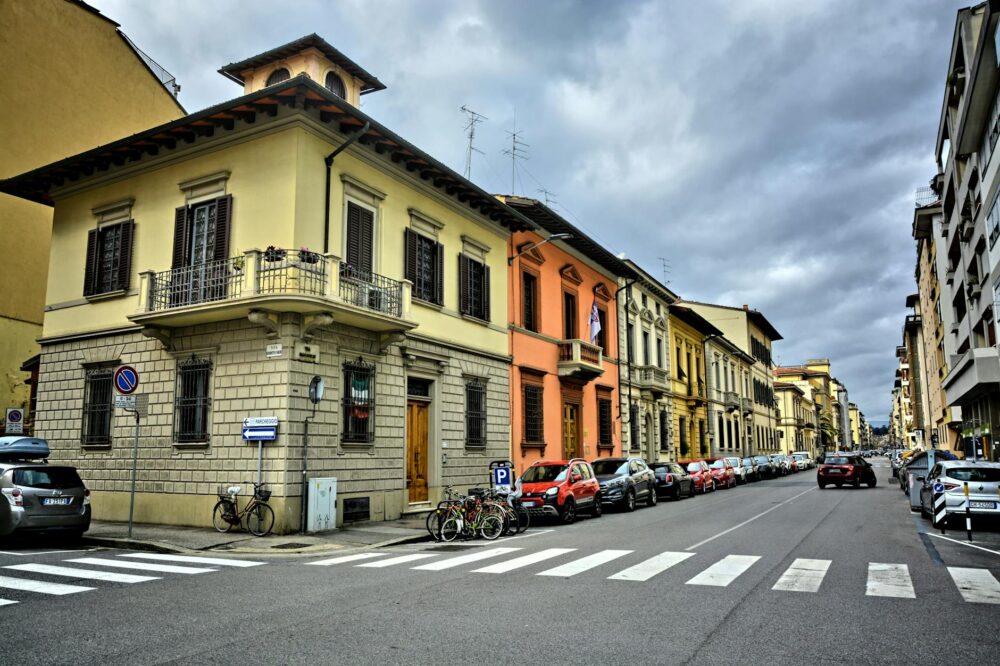
Photo by Rangoni Gianluca on Pexels
Great guide! I’m planning a trip to Florence next spring and love coffee. Which of these cafés would you recommend for someone who prefers a less sweet marocchino?
For a less sweet marocchino, go with Ditta Artigianale or Caffè La Tazza d’Oro. Both use unsweetened cocoa and focus on the espresso quality, so the drink isn’t overly sugary. Avoid Shake Café if you want to skip the mascarpone foam.
Is the caffè marocchino typically served with a spoon or do you drink it directly from the glass?
It’s usually served with a small spoon so you can stir the layers together, but many locals drink it as is, enjoying the distinct layers. Either way is fine—just don’t use a straw!
Thanks for the update! I visited Caffè Gilli a few years ago and loved it. Do they still serve the marocchino in a small glass as described?
Yes, Caffè Gilli still serves their marocchino in a classic small glass to show the layers. The recipe hasn’t changed—espresso, thick foam, and cocoa dusting. It remains a top choice for a traditional experience.
I’m gluten-free. Does anyone know if the cocoa powder at these places is certified gluten-free?
Most cafés use pure cocoa powder, which is naturally gluten-free, but cross-contamination could occur. Ditta Artigianale and Procacci are known to be careful with ingredients—best to ask the barista directly to confirm.
What time of day is best to order a marocchino? Is it considered a morning drink or can you have it after dinner?
In Florence, the marocchino is enjoyed any time of day, but it’s most common mid-morning or after lunch. It’s not typically an after-dinner drink (that’s more for digestivi), but you won’t get strange looks if you order one in the evening.