

Table des matières:
Understanding Barcelona’s March Climate
If you’re planning a trip to Barcelona in March, you’re likely wondering: What are the average temperatures in Barcelona in March? The short answer is that March marks the transition from winter to spring, with mild days and cool nights. Average highs reach around 16°C (61°F), while lows drop to about 8°C (46°F). But there’s more to consider for a comfortable visit—rainfall, wind, and sunshine hours all play a role.
Why March Is a Unique Month in Barcelona
March sits between the cooler winter and the warmer spring, offering a blend of both seasons. You can expect some sunny, pleasant days perfect for sightseeing, but also occasional rain showers and chilly evenings. The city begins to bloom, both literally and figuratively, with fewer crowds than the peak summer months.
Average Temperature Breakdown for Barcelona in March
To give you a clear picture, here’s the typical temperature range throughout the month:
| Metric | Value |
|---|---|
| Average high | 16°C (61°F) |
| Average low | 8°C (46°F) |
| Average mean | 12°C (54°F) |
| Record high | 25°C (77°F) |
| Record low | 1°C (34°F) |
Daily Temperature Variation
During the day, temperatures often climb to 15–18°C, making it comfortable for outdoor activities. However, after sunset, the mercury can dip to 6–10°C, so a jacket or sweater is essential. This diurnal range is typical for Mediterranean climates in early spring.
How March Compares to Other Months
Compared to February, March is about 2–3°C warmer. April sees another 2–3°C rise, with average highs around 18°C. So March is a transitional month—cooler than April but noticeably warmer than the winter months.
Rainfall and Humidity in March
March is one of the wetter months in Barcelona, with an average of 13 rainy days and about 40–50 mm of precipitation. Showers are usually short and intermittent, but they can be heavy at times. Humidity averages around 70%, which can make the air feel cooler than the thermometer suggests.
What to Expect: Rain Patterns
Rain typically falls in brief spells, often in the afternoon or evening. Mornings are often clearer. A waterproof jacket or umbrella is a smart addition to your packing list. Despite the rain, there are plenty of sunny intervals—March averages 5 hours of sunshine per day.
Sunshine and Daylight Hours
Daylight increases noticeably in March. At the beginning of the month, sunrise is around 7:30 AM and sunset at 6:45 PM. By the end, sunrise shifts to 6:45 AM and sunset to 7:15 PM, giving you about 12.5 hours of daylight. Combined with 5 daily sunshine hours, you’ll have ample time to explore.
Wind Conditions
Barcelona can experience light to moderate winds in March, especially near the coast. The average wind speed is around 10–15 km/h, but occasional gusts from the sea can make it feel cooler. Sheltered spots in the city, like the Gothic Quarter, offer relief.
What to Wear in Barcelona in March
Packing for March requires versatility. Here’s a practical checklist:
- Layers are key: A base layer, a sweater or fleece, and a light jacket or coat.
- Waterproof outerwear: A rain jacket or umbrella for sudden showers.
- Comfortable walking shoes: With all the sightseeing, your feet will thank you.
- Scarf and hat: Useful for cooler evenings and windy days.
- Sunglasses and sunscreen: The sun can be strong, especially later in the month.
Dressing for Different Activities
If you’re planning beach walks, bring a windbreaker. For indoor attractions like the Sagrada Família or museums, you’ll be fine with a sweater. Dining out on terraces may require an extra layer after dark.
Best Things to Do in Barcelona in March
March is an excellent time for cultural activities and enjoying the city without summer crowds. Here are some top recommendations:
- Explore the Gothic Quarter: Wander narrow medieval streets, visit the Barcelona Cathedral, and discover hidden plazas.
- Visit Park Güell: The iconic Gaudí park is less crowded in March, and the views are stunning.
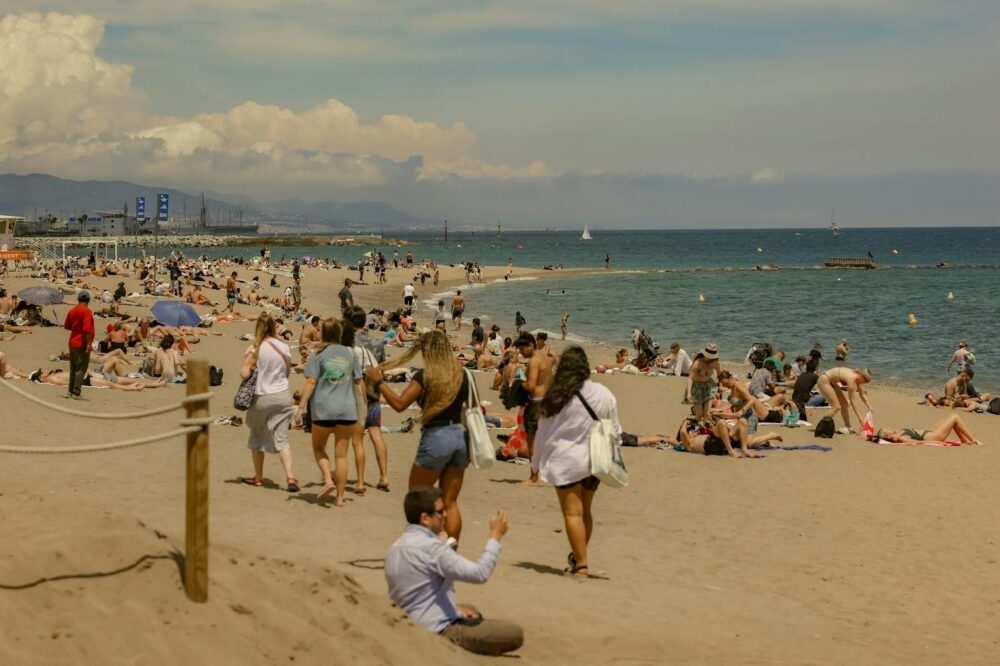
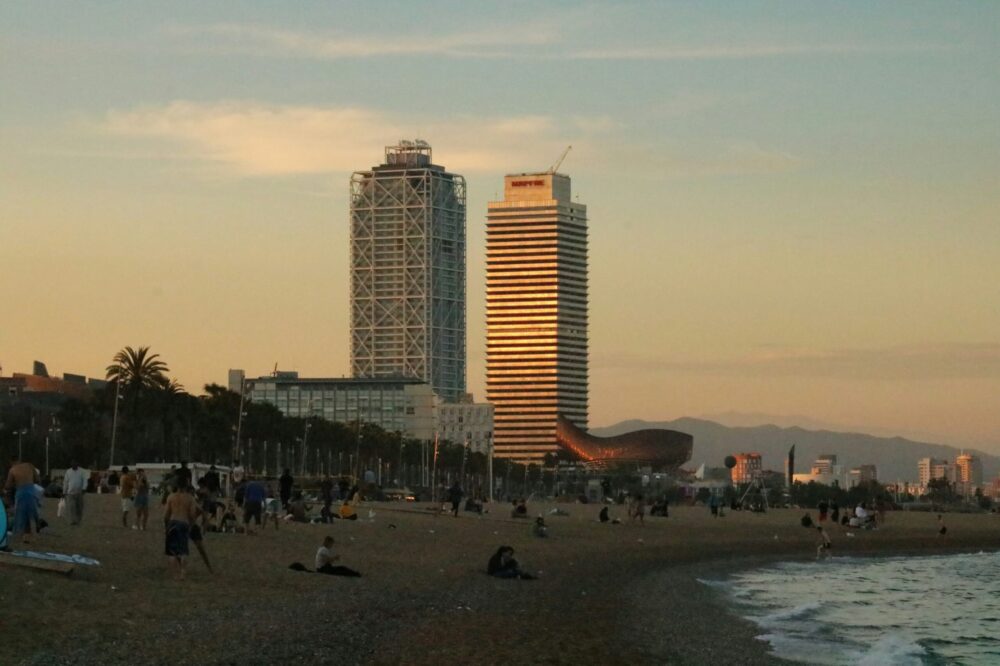
- Stroll along Barceloneta Beach: While swimming is too cold, a walk on the beach is refreshing.
- Attend local festivals: Check for events like the Festa de Sant Medir in early March.
- Take a day trip: Montserrat or the Costa Brava are accessible and pleasant in spring weather.
Indoor Alternatives for Rainy Days
If rain interrupts your plans, consider the Picasso Museum, the Barcelona Aquarium, or the Magic Fountain show (which may run on weekends).
Common Mistakes to Avoid When Visiting in March
Travelers often underestimate the temperature swing between day and night. Here are pitfalls to avoid:
- Packing only summer clothes: You’ll be cold in the evenings.
- Forgetting rain gear: A sudden shower can ruin a day without an umbrella.
- Assuming beach weather: The sea is too cold for swimming (water temperature ~13°C).
- Skipping layers: A single heavy coat may be too warm during the day.
Frequently Asked Questions About Barcelona’s March Weather
Is March a good time to visit Barcelona?
Yes, if you prefer milder weather and fewer tourists. You’ll enjoy lower prices and shorter queues, but be prepared for some rain.
Does it snow in Barcelona in March?
Snow is extremely rare. The last significant snowfall in March was in 2010. You’ll likely see rain, not snow.
What is the sea temperature in March?
The Mediterranean Sea averages about 13°C (55°F), which is too cold for comfortable swimming. Wetsuit-clad surfers might venture in, but most visitors stay on the sand.
How many rainy days are there in March?
Barcelona averages 13 rainy days in March, but rainfall is usually light to moderate. Many days have only a brief shower.
What should I pack for Barcelona in March?
Pack layers: T-shirts, long-sleeve shirts, a sweater, a light jacket or coat, a waterproof outer layer, comfortable shoes, and an umbrella. Don’t forget sunglasses for sunny spells.
Are attractions open in March?
Yes, all major attractions are open, though some may have reduced hours compared to summer. Check individual websites for the latest information.
Final Tips for Enjoying Barcelona in March
To make the most of your trip, check the forecast before you go and pack accordingly. Embrace the mix of sun and showers—it’s part of the city’s charm in early spring. With fewer crowds and pleasant daytime temperatures, March offers a unique Barcelona experience. Whether you’re exploring Gaudí’s masterpieces or savoring tapas in a cozy bodega, you’ll find the city welcoming and vibrant.


Is 16°C warm enough for sitting outside at a café in the afternoon?
Yes, 16°C is comfortable for outdoor seating if it’s sunny, especially midday. But bring a jacket as it cools quickly once the sun sets.
I’m planning a photography trip. How are the light conditions in March?
March offers good light with about 5 hours of sunshine per day and longer daylight. Early morning and late afternoon provide nice golden hour shots, though clouds can add drama.
Does it rain a lot? I hate getting caught in showers.
March averages 13 rainy days, but showers are usually brief. Pack a compact umbrella or waterproof jacket and check the forecast daily.
Thanks for the detailed breakdown! What’s the best area to stay in March to avoid wind?
The Gothic Quarter or El Born are more sheltered from coastal winds. Areas near the beach can be breezier, but they’re still enjoyable on calm days.
I’ll be there for a week. Do I need a heavy winter coat or just a light jacket?
A light to medium jacket is fine for daytime. Evenings require something warmer like a fleece or sweater. A layered approach works best.
Are there any local festivals or events in March that might affect crowds?
March features Sant Medir (early March) and the Barcelona Marathon (usually mid-March). These can bring more visitors, but overall crowds are still smaller than summer.
What about humidity? Does it feel muggy?
Humidity averages 70%, which can make it feel slightly cooler, but it’s not oppressive. The air is fresh, and breezes often keep it comfortable.