

Applying to the University of Strasbourg as an international student can be a rewarding journey, but it requires careful planning. This guide walks you through every step—from choosing your program to securing your visa—so you can navigate the process with confidence.
Table des matières:
Why Choose the University of Strasbourg?
The University of Strasbourg (Unistra) is one of France’s top research universities, with a strong international reputation. Located in the heart of Europe, it offers over 500 programs in French and English, including bachelor’s, master’s, and PhDs. With a vibrant campus and a multicultural environment, it attracts students from more than 130 countries. Its partnerships with institutions like the CNRS and the European Parliament provide unique opportunities for research and internships.
Understanding the Application Process
The application process varies depending on your nationality, level of study, and chosen program. Here’s a breakdown of the main routes.
For Non-EU/EEA Students
If you are from outside the European Union or European Economic Area, you typically apply through Études en France (EEF) platform, managed by Campus France. This centralized system handles applications for most French universities, including Unistra.
- Create an account on Études en France.
- Fill in your personal details, academic history, and language proficiency.
- Select up to three programs at Unistra (or other French institutions).
- Submit required documents and pay the application fee (around €50-€80).
- Attend an interview at your local Campus France office (if applicable).
- Receive a decision and, if accepted, proceed with visa application.
For EU/EEA Students
EU/EEA students usually apply directly via the eCandidat platform of the University of Strasbourg. The process is simpler and does not require Campus France approval.
- Visit the Unistra eCandidat portal during the application period.
- Create an account and select your program.
- Upload transcripts, CV, motivation letter, and language certificates.
- Submit and wait for the admission decision.
For Exchange and Study Abroad Students
If you are coming through an exchange program (Erasmus+, bilateral agreements), your home university coordinates the application. Contact your international office for nomination deadlines and required documents.
Key Deadlines and Timeline
Missing deadlines is a common mistake. The University of Strasbourg has strict application windows. Below is a typical timeline for the academic year starting in September.
| Step | Non-EU/EEA | EU/EEA |
|---|---|---|
| Application opens | October (year prior) | February |
| Application deadline | January (most programs) | May (varies by program) |
| Admission results | March-April | June-July |
| Visa application | As soon as accepted | Not required |
| Arrival in France | Late August | Late August |
Note: Some programs have different deadlines, especially master’s degrees and specific fields like medicine or engineering. Always check the program page on the Unistra website.
Required Documents Checklist
Preparing your documents in advance saves time and reduces stress. Here’s what you generally need:
- Academic transcripts and diplomas (translated into French or English by a certified translator).
- CV (curriculum vitae) highlighting your education, experience, and skills.
- Motivation letter explaining why you want to study at Unistra and your chosen program.
- Language proficiency certificate: French programs require DELF/DALF or TCF; English programs require TOEFL/IELTS (minimum scores vary).
- Passport copy (valid for at least the duration of your studies).
- Passport-sized photos (recent).
- Application fee payment receipt (for Étuudes en France).
Some programs may also ask for letters of recommendation, a research proposal (for master’s/PhD), or a portfolio (for arts). Always verify on the specific program page.
Language Requirements
Most bachelor’s programs are taught in French, so you need at least a B2 level. Master’s programs may be in French or English. For English-taught programs, a B2 to C1 level in English is required. Accepted tests include IELTS (6.0-7.0), TOEFL (80-100), or Cambridge English. For French, DELF B2 or DALF C1 is standard. The university may also accept TCF or TEF.
How to Write a Strong Motivation Letter
Your motivation letter is crucial. Avoid generic statements. Instead:


- Explain why you chose the University of Strasbourg specifically (mention research groups, professors, or unique courses).
- Link your past experiences to the program.
- Show knowledge of the program’s content.
- Be concise (one page max).
- Proofread carefully or have a native speaker check it.
Visa and Immigration Steps
Once admitted, non-EU students need a student visa (VLS-TS). Here’s the process:
- After receiving your admission letter, apply for a visa at the French consulate in your home country.
- Use the France-Visas website to fill out the application and book an appointment.
- Submit your passport, admission letter, proof of financial resources (€615 per month), health insurance, and accommodation proof.
- Attend the visa interview (sometimes waived).
- Wait for processing (usually 2-4 weeks).
- Upon arrival in France, validate your visa online within 3 months.
Financial proof: The French government requires international students to show at least €615 per month for living expenses. This can be a bank statement, scholarship letter, or sponsor letter.
Accommodation Options
The University of Strasbourg offers housing through CROUS (student services). Apply early (from March) for university residences. You can also rent private apartments or shared flats. Average rent is €300-€600 per month. For help, visit the Service Logement on campus.
Common Mistakes to Avoid
- Missing deadlines: Set reminders for each step.
- Submitting incomplete documents: Double-check the checklist.
- Ignoring language requirements: Take tests early.
- Writing generic motivation letters: Tailor each letter.
- Waiting too long for visa: Apply as soon as you have admission.
Frequently Asked Questions (FAQ)
Can I apply to the University of Strasbourg without knowing French?
Yes, if you apply to an English-taught program. However, learning basic French will help you in daily life and integration.
What is the application fee for international students?
For Études en France, the fee is around €50-€80. Some programs may have additional fees. EU students usually pay no application fee.
How long does it take to get an admission decision?
Typically 2-4 months after the deadline. Non-EU students often hear by April; EU students by July.
Can I work while studying in Strasbourg?
Yes, international students can work up to 964 hours per year (about 20 hours per week). You need a student visa that allows work.
Is there a scholarship for international students at Unistra?
Yes, the university offers some scholarships, and the French government provides the Eiffel Excellence Scholarship. Check the Unistra scholarship page for details.
What if my application is rejected?
You can appeal the decision or reapply the next year. Some programs allow you to submit additional documents. Contact the admissions office for guidance.
Your Next Steps: A Practical Action Plan
Now that you understand the process, here’s a checklist to get started:
- Research programs on the Unistra website and note deadlines.
- Prepare or update your CV and motivation letter.
- Take language tests if needed.
- Gather academic documents and translations.
- Create your Études en France or eCandidat account.
- Submit your application before the deadline.
- After acceptance, apply for a visa immediately.
- Arrange accommodation and health insurance.
- Plan your arrival and attend orientation events.
Applying to the University of Strasbourg as an international student requires organization, but with this guide, you’re well equipped. Start early, stay on top of deadlines, and don’t hesitate to reach out to the International Office for help. Good luck!
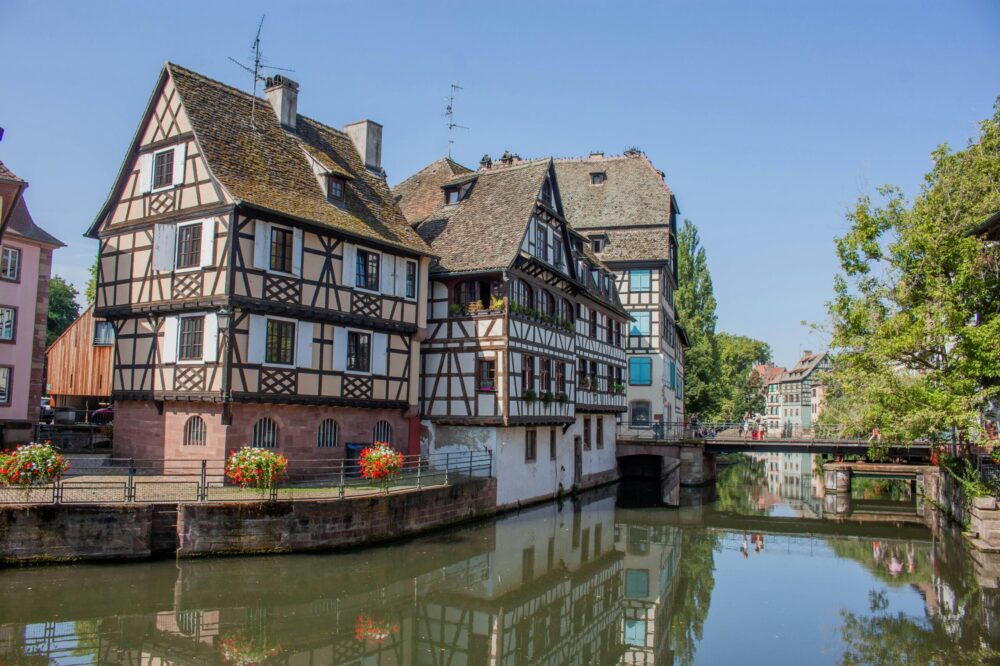
Photo by Jasmin Börsig on Unsplash



Thanks for the detailed breakdown. One thing I’m wondering: for exchange students, do we still need to apply through eCandidat or does the home university handle everything?
For exchange students (Erasmus+ or bilateral agreements), your home university coordinates the nomination and application. You typically do not use eCandidat. After nomination, Unistra’s international office will guide you on required documents. Contact your home university’s international office first.
I’m an EU student and the eCandidat platform seems straightforward. But what documents are exactly needed for the motivation letter? Is there a specific format?
The motivation letter should be a one-page document explaining why you want to study that program at Unistra and your career goals. No specific format is required, but it’s best to address it to the admissions committee, include your contact info, and be sincere. Check the program page for any additional requirements.
I’m from India and planning to apply through Études en France. The article mentions an interview at the local Campus France office. Is this mandatory for all applicants?
The interview is not mandatory for all applicants; it depends on your country and profile. In India, Campus France often requires an interview to assess your motivation and language skills. Check your local Campus France website for specific procedures. If required, it’s a chance to explain your study plans.
The timeline for non-EU students is tight: application opens in October and closes in January. Is it possible to apply for a program starting in February instead?
Yes, some programs have a February intake. Deadlines for that semester are usually around September–October of the previous year. However, most programs start in September. Always verify on the Unistra website or contact the program coordinator for exact dates.
Great guide! I’m a non-EU student interested in a Master’s program taught in English. Do I need to provide a French language certificate if the program is in English?
Thank you! For English-taught programs, you typically need to prove your English proficiency (e.g., TOEFL or IELTS) rather than French. However, some programs may still require a basic French level for everyday life, so check the specific program page on the Unistra website.