
Table des matières:
Overview of Strasbourg University Admissions
Strasbourg University (Université de Strasbourg) is one of France’s leading research universities, attracting thousands of applicants from around the world. Whether you are a French baccalaureate holder, an EU student, or an international candidate, understanding the admission requirements is the first step to securing a place. This guide covers everything you need to know: general conditions, specific program prerequisites, language proficiency, and application procedures for both undergraduate and graduate levels.
General Admission Requirements for Bachelor’s Programs
For entry into a Licence (bachelor’s) program, the primary requirement is holding a secondary school diploma equivalent to the French baccalaureate. However, specific conditions vary depending on your nationality and educational background.
For French and EU/EEA Students
If you are a French student with a baccalaureate or an EU/EEA national with an equivalent diploma, you typically apply via the national platform Parcoursup. Admission is based on your academic record, motivation, and sometimes an interview or entrance exam for certain programs (e.g., health sciences, law). There is no general language test if your secondary education was in French.
For Non-EU International Students
Non-EU applicants must go through the Etudes en France procedure, managed by Campus France. You need to hold a secondary school diploma equivalent to the baccalaureate, provide proof of French language proficiency (usually B2 level), and submit academic transcripts. Some programs may require additional tests or portfolio reviews.
Master’s and Graduate Program Admission Criteria
Admission to a Master’s program at Strasbourg University is selective and based on your previous academic background, statement of purpose, and sometimes professional experience. Requirements differ by field but generally include:
- A bachelor’s degree (Licence) in a related discipline with a minimum grade average (often 12/20 or higher).
- Proof of language proficiency: French B2/C1 for French-taught programs; English B2/C1 for English-taught programs (e.g., TOEFL 90, IELTS 6.5).
- Letters of recommendation (1-2).
- A motivation letter explaining your research interests or career goals.
- For research-oriented masters, a preliminary thesis proposal may be required.
Some professional masters (e.g., MBA, MPA) may also require work experience.
Language Proficiency Requirements
Since most programs are taught in French, non-native speakers must demonstrate French proficiency. The university typically requires:
| Level | Minimum French Level (CEFR) | Accepted Tests |
|---|---|---|
| Bachelor’s (Licence) | B2 | DELF B2, DALF C1, TCF DAP |
| Master’s (French-taught) | C1 | DALF C1/C2, TCF with C1 |
| English-taught programs | B2 (English) | TOEFL iBT 90, IELTS 6.5, Cambridge C1 |
Note: Some programs may accept the TCF Tout Public with a written expression score; check specific requirements.
Application Deadlines and Procedure
Deadlines vary by applicant category and program. It is crucial to check the exact dates on the university website. General timelines:
- Parcoursup (French/EU baccalaureate holders): January to April for submission; main admission results in May-June.
- Etudes en France (Non-EU international): October to December for the following academic year (varies by country).
- Master’s programs: Often March to May; some programs have early deadlines in February.
The application process typically involves creating an online account, uploading documents (diplomas, transcripts, language certificates, CV, motivation letter), and paying a fee (for non-EU applicants).
Specific Requirements for Popular Programs
Medicine and Health Sciences
Admission to medicine, pharmacy, or dentistry is highly competitive. After a common first year (PASS or L.AS), students take a selective exam. International students must have excellent grades and a C1 French level. The numerus clausus limits the number of places.
Law and Political Science
Law programs require a baccalaureate with a strong emphasis on humanities. For master’s, a bachelor’s in law with good grades is expected. Some courses require a legal English proficiency test.
Engineering and Sciences
Engineering schools within the university (e.g., Télécom Physique Strasbourg) require a scientific baccalaureate or equivalent, plus an entrance exam or interview. Master’s programs in sciences often require a bachelor’s in a relevant field and a minimum GPA.
Arts and Humanities
Programs in arts, languages, and social sciences may require a portfolio, writing sample, or audition. Language proficiency is key, especially for translation or literature degrees.
Checklist for a Successful Application
- ✓ Verify you hold the required diploma (baccalaureate equivalent for bachelor’s; bachelor’s for master’s).
- ✓ Obtain official language test results (DELF/DALF/TCF for French; TOEFL/IELTS for English).
- ✓ Prepare certified translations of your academic documents (if not in French).
- ✓ Write a strong motivation letter tailored to your program.
- ✓ Secure letters of recommendation (if required).
- ✓ Check specific program prerequisites (portfolio, entrance exam, interview).
- ✓ Submit your application before the deadline via the correct platform (Parcoursup, Etudes en France, or university portal).
- ✓ Pay the application fee (if applicable).
- ✓ Track your application status and respond to any requests for additional documents.
Common Mistakes to Avoid
Many applicants miss out due to avoidable errors. Here are key pitfalls:
- Ignoring language requirements: Even if you think your French is good, you must provide a recognized test. Plan ahead as test dates fill quickly.
- Missing deadlines: Non-EU deadlines are often months before the start of the academic year. Mark your calendar.
- Submitting incomplete documents: Double-check that all required files are uploaded. Missing transcripts or recommendation letters can lead to rejection.
- Generic motivation letters: Tailor each letter to the specific program and mention why Strasbourg University is your choice.
- Ignoring program-specific prerequisites: Some master’s programs require specific coursework or a minimum grade in certain subjects. Review the curriculum carefully.
Frequently Asked Questions
Do I need to speak French to study at Strasbourg University?
For most programs, yes. French-taught programs require at least B2 level (bachelor’s) or C1 (master’s). However, there are a growing number of English-taught programs, especially at the master’s level, where English proficiency is required instead.
What is the minimum GPA required for admission?
There is no universal minimum GPA. For master’s programs, a bachelor’s degree with a grade average of at least 12/20 (or equivalent) is often expected, but competitive programs may require higher. For bachelor’s, your baccalaureate results are evaluated holistically.
Can I apply if my diploma is not recognized?
If your diploma is not automatically recognized, you may need to obtain an equivalence statement from the ENIC-NARIC center. This process can take months, so start early.
Is there an age limit for admission?
No, there is no age limit. However, some programs may have specific requirements for mature students, such as professional experience.
How much does it cost to apply?
For French and EU students, Parcoursup is free. Non-EU applicants using Etudes en France pay a fee (around 50-100 EUR depending on country). Some master’s programs may have an additional application fee.
Can I apply for multiple programs at the same time?
Yes, you can apply to multiple programs, but you must submit separate applications for each. Be mindful of deadlines and ensure each application is complete.
Next Steps for Prospective Students
Now that you understand the admission requirements for Strasbourg University, take these practical steps: identify your desired program, verify its specific prerequisites, register for language tests if needed, and gather your documents. Start the application process at least six months before the deadline to avoid last-minute stress. For personalized guidance, consult the university’s international office or Campus France in your country. Good luck!
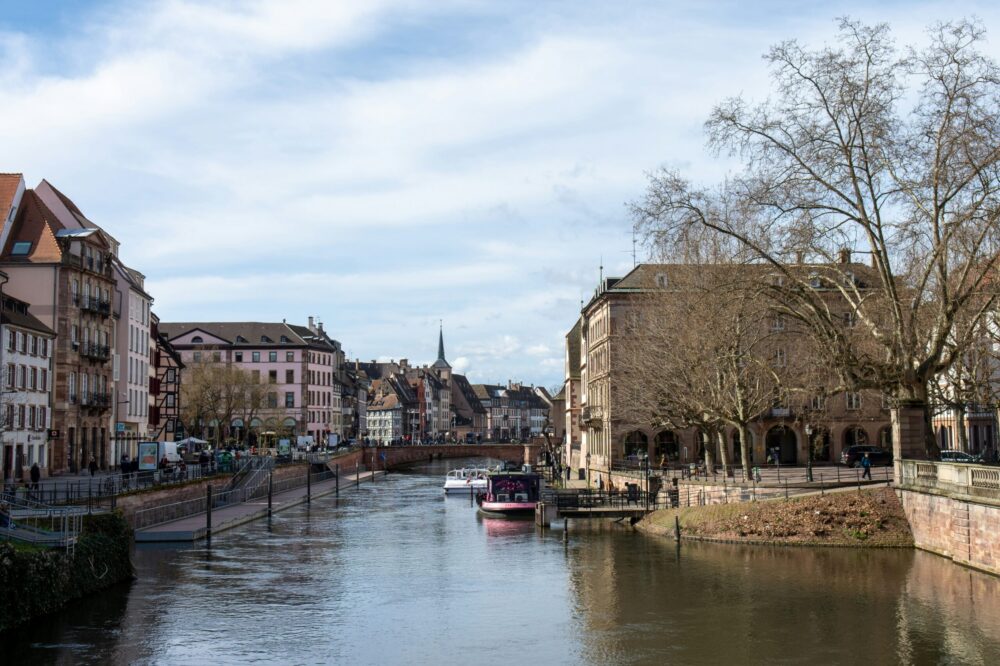
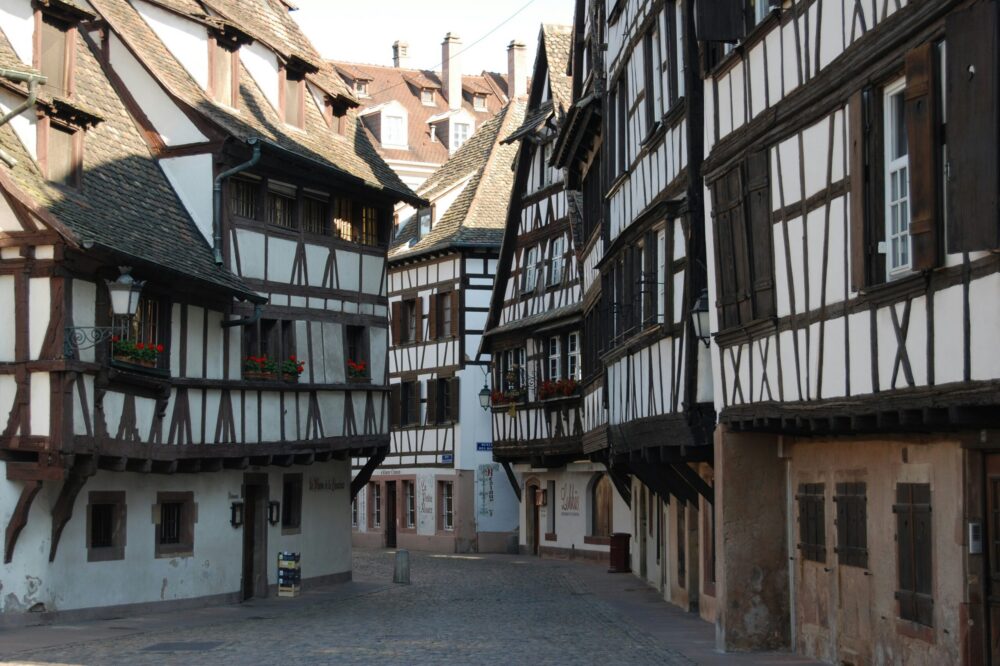
Photo by Mikheil Kuzmidi on Unsplash



Are there any specific requirements for students from non-French-speaking African countries, like a different accepted test?
The same tests apply (DELF, DALF, TCF). Campus France offices in your country can guide you on accepted equivalents. Some countries have bilateral agreements, so check locally.
What is the minimum grade average needed for master’s admission? You mentioned 12/20, but is that the same for all fields?
12/20 is a common minimum, but competitive programs (e.g., law, medicine) may require higher. Check the specific master’s page for exact criteria.
I’m interested in an English-taught master’s. Is an IELTS 6.5 enough, or do some programs require 7.0?
6.5 is the minimum, but some competitive programs (e.g., in humanities) may ask for 7.0. Always verify on the program’s admission page.
Does the B2 French requirement for bachelor’s apply to all programs, or are there some exceptions for international students who studied in English?
Most bachelor’s programs require B2 French, but a few English-taught programs exist (e.g., in science). Always check the specific program page for language conditions.
For the Etudes en France procedure, do I need to submit my documents before or after applying to the university?
You start with the Etudes en France application (Campus France), which includes your university choices. The university then reviews your file after you submit.
I have a baccalaureate from an EU country. Do I still need to take the TCF or DELF for a French-taught bachelor’s?
If your secondary education was in French, you typically don’t need an extra test. Otherwise, B2 proof is required. EU students apply via Parcoursup.
Thanks for the clear overview. One thing: do I need to provide a motivation letter for bachelor’s applications too?
Yes, for Parcoursup you typically submit a motivation letter as part of your application. Some programs also require a personal project statement.