
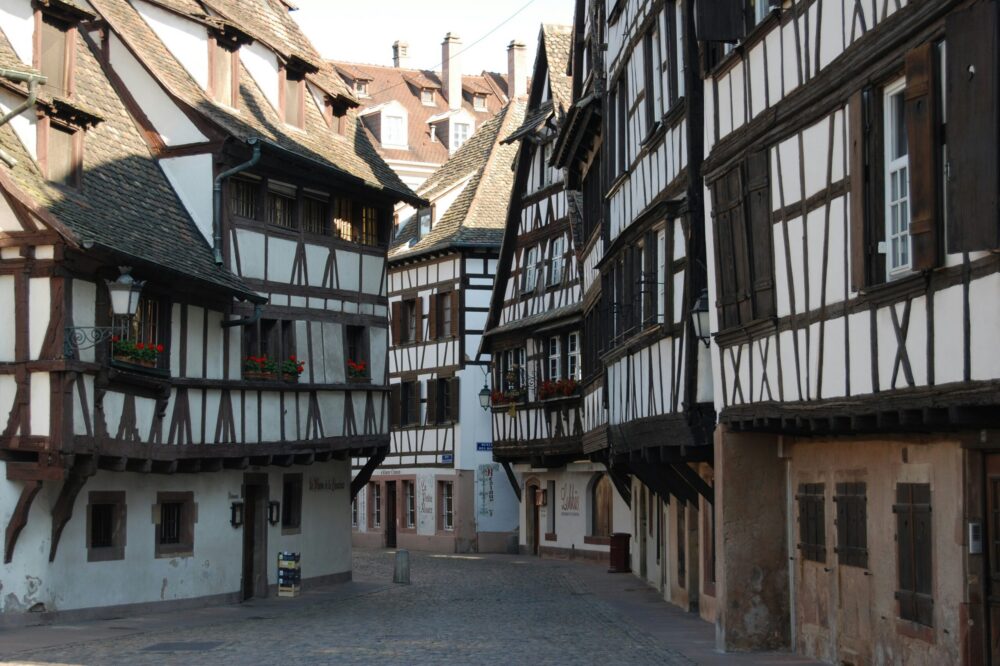
Strasbourg University (Université de Strasbourg) is one of France’s leading research universities, known for its interdisciplinary approach and international outlook. With over 50,000 students and a rich history dating back to 1538, the university offers a wide range of programs. This guide explores the most popular programs at Strasbourg University, covering their unique features, career prospects, and admission requirements.
Table des matières:
Why Strasbourg University Attracts Students Worldwide
Strasbourg University is a top choice for many reasons. It is located in the heart of Europe, close to Germany and Switzerland, offering a multicultural environment. The university is renowned for its research output, particularly in life sciences, law, and political science. It also boasts a strong network of partner institutions, making it ideal for students seeking international experience.
Popular programs at Strasbourg University are often interdisciplinary, combining theory with practical training. The university’s commitment to innovation and employability means graduates are well-prepared for the job market.
Top Programs at Strasbourg University
1. Law and Political Science
Strasbourg’s Faculty of Law and Political Science is one of the most prestigious in France. It offers a comprehensive range of programs from bachelor’s to doctoral levels. The curriculum covers French and European law, international law, and political science. Students benefit from proximity to European institutions like the European Court of Human Rights and the Council of Europe.
Popular degrees:
- Bachelor in Law (Licence en Droit)
- Master in European and International Law
- Master in Political Science
- Double degree in Law and German Law (with partner universities)
Career prospects: Graduates often work as lawyers, judges, diplomats, or policy analysts. Many pursue careers in European institutions or international organizations.
2. Life Sciences and Health
Strasbourg University excels in life sciences, particularly in the fields of molecular biology, genetics, and biotechnology. The university is home to several research institutes, including the Institute of Genetics and Molecular and Cellular Biology (IGBMC). Programs in medicine, pharmacy, and dentistry are also highly competitive.
Popular degrees:
- Bachelor in Life Sciences
- Master in Molecular and Cellular Biology
- Doctor of Medicine (M.D.)
- Master in Biotechnology
Career prospects: Graduates find roles in research labs, pharmaceutical companies, hospitals, or academia. The university’s strong ties with industry facilitate internships and job placements.
3. Engineering and Technology
The Strasbourg School of Engineering (Télécom Physique Strasbourg) and the National School of Water and Environmental Engineering (ENGEES) are part of the university. Programs in computer science, electronics, and environmental engineering are particularly popular.
Popular degrees:
- Engineering Diploma (equivalent to Master’s) in Computer Science
- Master in Environmental Engineering
- Master in Electronics and Telecommunications
- Bachelor in Mechanical Engineering
Career prospects: Engineers from Strasbourg are highly sought after in sectors like IT, energy, and environmental consulting. The university’s partnerships with companies like EDF and Siemens enhance employability.
4. Economics and Management
The Faculty of Economics and Management offers programs that combine theoretical foundations with practical applications. Students can specialize in finance, marketing, international business, or public administration.
Popular degrees:
- Bachelor in Economics and Management
- Master in Finance
- Master in International Business
- Double degree in Economics and German (with University of Freiburg)
Career prospects: Graduates work in banking, consulting, multinational corporations, or public institutions. The double degree programs are particularly attractive for careers in cross-border contexts.
5. Arts, Humanities, and Languages
Strasbourg’s Faculty of Arts and Humanities offers a diverse range of programs in philosophy, history, literature, and modern languages. The university is known for its strong offerings in German studies, due to its geographic location.



Popular degrees:
- Bachelor in Philosophy
- Master in European Studies
- Master in Translation and Interpreting
- Bachelor in German Language and Literature
Career prospects: Graduates pursue careers in education, publishing, translation, cultural management, or diplomacy. The master in European Studies is especially relevant for those aiming to work in EU institutions.
Comparison of Popular Programs at Strasbourg University
| Program Area | Key Strengths | Typical Duration | Language of Instruction |
|---|---|---|---|
| Law and Political Science | Proximity to European institutions, international law focus | Bachelor: 3 years; Master: 2 years | French (some programs in English) |
| Life Sciences and Health | World-class research institutes, strong clinical training | Bachelor: 3 years; Master: 2 years; Medicine: 6-9 years | French (some Master’s in English) |
| Engineering and Technology | Hands-on projects, industry partnerships | Engineering: 5 years; Master: 2 years | French (some programs in English) |
| Economics and Management | Double degrees, international business focus | Bachelor: 3 years; Master: 2 years | French (some programs in English) |
| Arts, Humanities, Languages | Multilingual offerings, European studies | Bachelor: 3 years; Master: 2 years | French, German, English |
How to Apply to Popular Programs at Strasbourg University
Admission requirements vary by program and level. For bachelor’s degrees, French students apply via Parcoursup, while international students use the Études en France procedure or Campus France. Master’s programs often require a relevant bachelor’s degree and language proficiency (French or English). Some programs have additional entrance exams or interviews.
Checklist for applicants:
- Check program-specific requirements on the university website.
- Prepare language certificates (DELF/DALF for French, TOEFL/IELTS for English).
- Submit transcripts, CV, and motivation letter.
- For competitive programs, prepare for entrance tests or interviews.
- Apply early: deadlines often fall between January and May.
Frequently Asked Questions About Popular Programs at Strasbourg University
What are the most popular programs at Strasbourg University for international students?
International students often choose programs in European and international law, life sciences, and engineering. The university offers several English-taught master’s programs, such as the Master in Molecular and Cellular Biology and the Master in European Studies.
Are there English-taught programs at Strasbourg University?
Yes, Strasbourg University offers a growing number of English-taught programs, especially at the master’s level. Examples include the Master in International Business, Master in Environmental Sciences, and some engineering tracks. However, most bachelor’s programs are taught in French.
How competitive are popular programs at Strasbourg University?
Programs in medicine, law, and political science are highly competitive due to limited spots and high demand. For example, the Doctor of Medicine program has a numerus clausus (limited number of places). Life sciences and engineering programs are also selective but have more capacity.
Can I work while studying in popular programs at Strasbourg University?
International students with a student visa can work up to 964 hours per year (about 20 hours per week). Many students find part-time jobs in the city or internships related to their field. The university’s career center also helps with job placements.
What are the career prospects after completing a popular program at Strasbourg University?
Graduates from Strasbourg University have excellent career prospects. Law graduates often work in European institutions, life science graduates in research and pharma, and engineering graduates in tech and environmental sectors. The university’s strong alumni network and partnerships with employers facilitate job placement.
Is Strasbourg University good for research?
Yes, Strasbourg University is a leading research university, with 22 Nobel laureates affiliated. It is particularly strong in life sciences, chemistry, and social sciences. Research master’s programs often lead to PhD opportunities.
Practical Tips for Choosing the Right Program
When evaluating popular programs at Strasbourg University, consider your career goals, language skills, and preferred learning environment. Attend open days or webinars, talk to current students, and review course syllabi. Also, consider the city’s quality of life: Strasbourg is a vibrant, student-friendly city with affordable living costs compared to Paris.
Mistakes to avoid:
- Choosing a program solely based on reputation without considering your interests.
- Underestimating language requirements: most programs require B2 level French.
- Missing application deadlines: popular programs fill up quickly.
- Ignoring internship and exchange opportunities: Strasbourg University has strong partnerships with European institutions.
By carefully researching and preparing, you can find a popular program at Strasbourg University that matches your aspirations. The university’s interdisciplinary approach and international environment provide a solid foundation for a successful career.
Photo by Danielle Barnes on Unsplash


The engineering programs sound interesting. Can you tell me more about the environmental engineering curriculum?
The environmental engineering program at ENGEES covers water management, waste treatment, and sustainable development. It includes practical projects and internships. Graduates often work in water utilities or environmental consulting.
I’m interested in the life sciences programs. Are there any specific research labs that accept master’s students?
Absolutely. The Institute of Genetics and Molecular and Cellular Biology (IGBMC) and other research centers welcome master’s students for thesis projects. You can apply directly to labs after admission, and it’s a great way to gain hands-on experience.
I’m considering applying for the Master in European and International Law. How competitive is the admission process?
Admission to the Master in European and International Law is competitive. You’ll typically need a strong bachelor’s degree in law or a related field, good grades, and proficiency in French or English. It’s advisable to have relevant coursework or experience in European law.
Great article! I appreciate the detailed breakdown of programs. It helped me narrow down my choices for graduate studies.
Thank you! We’re glad it was helpful. If you have more specific questions about any program, feel free to ask. Good luck with your applications!
The article mentions the university’s proximity to European institutions. Do law students get internship opportunities there?
Yes, law students often secure internships at the European Court of Human Rights, the Council of Europe, and other institutions. The university has partnerships that facilitate placements, and the location is a major advantage.
I’m a bit concerned about the cost of living in Strasbourg. Is it affordable for students?
Strasbourg is relatively affordable compared to other French cities like Paris. Student housing options range from €300-500 per month, and there are discounts for transportation and meals. Overall, it’s manageable with a reasonable budget.
What language requirements are there for the Bachelor in Life Sciences? Is it taught in French?
The Bachelor in Life Sciences is primarily taught in French. You’ll need B2-level French proficiency, often demonstrated via DELF/DALF. Some courses may be in English, but fluency in French is essential for success.
I’m an international student. Does Strasbourg University offer any preparatory language courses before the program starts?
Yes, the university offers French language courses through its Centre de Langues. There are also summer intensive programs. It’s a good idea to start learning French early to meet the requirements.