
Table des matières:
Understanding the Academic Calendar for London Universities
If you’re planning to study in London, one of the first things you need to know is how the academic year is structured. The academic calendar for London universities typically follows a semester or trimester system, with key variations depending on the institution. This guide explains everything from term dates to holiday breaks, helping you prepare for student life in the UK capital.
Typical Structure of the Academic Year
Most London universities operate on a two-semester system, though some use three terms. The academic year generally runs from late September to June, with breaks in between. Here’s a breakdown of the standard academic calendar:
Autumn Semester (Term 1)
Starts in late September or early October and runs until mid-December. This period includes induction week (freshers’ week) for new students. Teaching usually ends before Christmas, followed by a holiday break.
Spring Semester (Term 2)
Begins in early January and continues until late March or early April. There is often a one-week break in February (reading week) and a longer Easter holiday in April.
Summer Semester (Term 3)
Runs from late April to June, focusing on exams and final assessments. Some universities offer optional summer sessions or internships during July and August.
| Semester | Start Date | End Date | Key Breaks |
|---|---|---|---|
| Autumn | Late Sep / Early Oct | Mid-Dec | Christmas (2-3 weeks) |
| Spring | Early Jan | Late Mar / Early Apr | Reading week (Feb), Easter (2 weeks) |
| Summer | Late Apr | Jun | None (exams) |
Differences Between Universities
While the above pattern is common, each institution has its own specific dates. For example, the University of Cambridge and University of Oxford (though not in London) use a three-term system (Michaelmas, Hilary, Trinity) with shorter terms. In London, universities like University College London (UCL) and King’s College London follow the semester model but may have slightly different start and end dates.
University of London Member Institutions
Many London universities are part of the University of London federation, including LSE, UCL, King’s, and others. These institutions generally coordinate their academic calendars, but each sets its own exact dates. Always check your specific university’s website for the most accurate information.
Postgraduate vs Undergraduate Calendars
Postgraduate courses, especially one-year master’s programs, often have a more intensive schedule. They may start earlier (e.g., September) and finish later (e.g., September the following year), with dissertation work over the summer. Undergraduate programs typically follow the standard semester pattern.
Key Holidays and Breaks



London universities observe several breaks throughout the academic year:
- Christmas break: Usually mid-December to early January (2-3 weeks).
- Reading week: A one-week break in February for independent study.
- Easter break: Two to three weeks in March/April.
- Summer break: From June to September (undergraduates), though many students use this time for internships or part-time work.
How to Find Exact Dates for Your University
To avoid confusion, follow these steps:
- Visit your university’s official website and look for the “Academic Calendar” or “Term Dates” page.
- Check the dates for your specific course, as some programs (e.g., medicine, law) may have different schedules.
- Note important deadlines: enrollment, fee payment, module registration, and exam periods.
- Subscribe to your university’s calendar feed (often available as an iCal link) to sync with your personal calendar.
Common Mistakes to Avoid
- Assuming all UK universities have the same calendar: Even within London, dates vary. Always confirm with your institution.
- Overlooking reading week: This is not a vacation but a time for study and assignments.
- Ignoring exam periods: Exams often start before the official end of teaching; plan your revision accordingly.
- Missing orientation events: Freshers’ week is crucial for settling in and making friends.
Practical Checklist for New Students
- ☐ Confirm your course start date and induction week schedule.
- ☐ Note all holiday breaks and plan travel or accommodation in advance.
- ☐ Mark exam periods and submission deadlines in your calendar.
- ☐ Check if your program includes a summer term or internship.
- ☐ Familiarize yourself with the university’s academic policies (e.g., attendance, extensions).
Frequently Asked Questions
Do London universities have a fall break?
Most London universities do not have a specific fall break. Instead, the first major break is the Christmas holiday. Some institutions may have a short break in late October for reading, but this is not universal.
Can I work part-time during the academic year?
Yes, international students on a Tier 4 visa can work up to 20 hours per week during term time and full-time during holidays. Be sure to check your visa conditions.
When do applications open for London universities?
For undergraduate courses, applications via UCAS open in September for entry the following year. Postgraduate applications vary; many have rolling admissions, but early application is recommended.
How long is the summer break for London university students?
Typically from June to September, but this can vary. Some postgraduate students may have a shorter break due to dissertation work.
Are there any online courses with different calendars?
Yes, some London universities offer online or blended programs that may have different term structures. Always check the specific course details.
Final Recommendations for Planning Your Academic Year
Understanding the academic calendar for London universities is essential for a smooth student experience. Start by checking your university’s official dates, then plan your accommodation, travel, and work commitments around them. Remember that the calendar is a guide; always confirm with your department for any course-specific variations. By staying organized and aware of key dates, you’ll make the most of your time studying in one of the world’s most exciting cities.
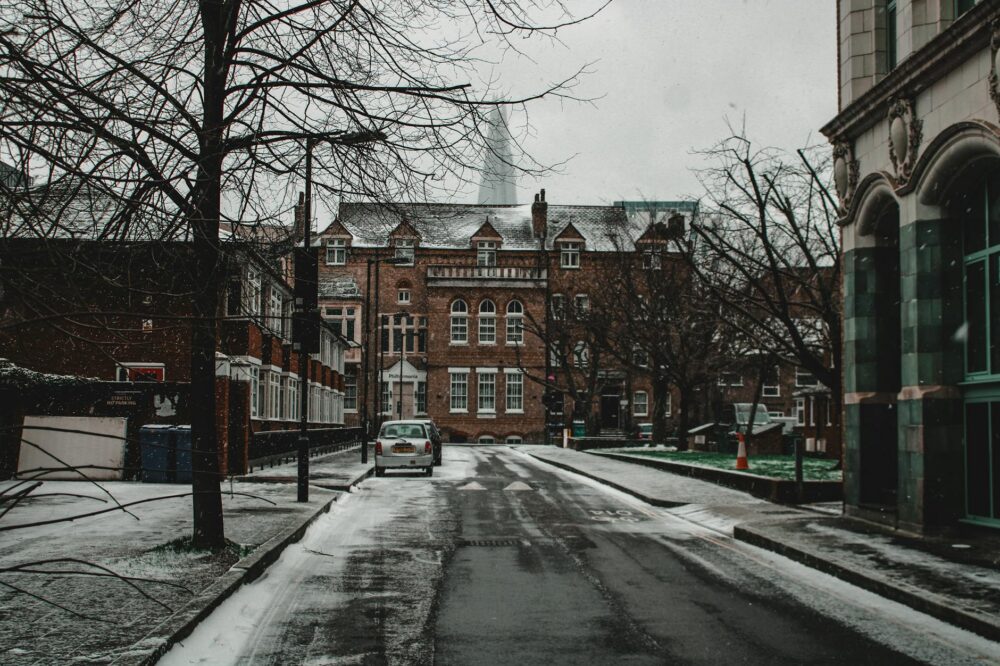
Photo by Sarthak Maji on Pexels



Does the University of London have a unified calendar for all its colleges?
The colleges coordinate broadly but each sets its own exact dates. For instance, LSE and UCL may have slight differences, so always refer to your specific college’s academic calendar.
I’m a postgraduate student. Are the term dates the same as for undergraduates?
Postgraduate programs, especially one-year master’s, often have different schedules. They may start earlier and finish later, with dissertation work over the summer. Always confirm with your department.
Thanks for the clear breakdown. I was confused about the difference between semesters and terms.
Glad it helped! In summary, most London universities use two semesters (autumn and spring), but some use three terms. The key is to check your institution’s calendar.
What is a reading week? Is it a break or should I still study?
Reading week is a break from scheduled classes, usually in February, intended for independent study and preparation. It’s not a full holiday, but you can use it to catch up on coursework.
I see that summer term is only for exams. Are there any classes then?
Typically, summer term (late April to June) focuses on exams and final assessments, with few or no new classes. Some universities offer optional summer sessions later in July-August.
Do all London universities start the autumn term on the exact same date?
No, start dates vary slightly. For example, UCL and King’s College London typically begin in late September, but always check your specific university’s website for exact dates.