

Table des matières:
Understanding Postgraduate Tuition Fees at LSE
If you’re planning to pursue a master’s or PhD at the London School of Economics (LSE), one of the first questions is: What is the tuition fee for postgraduate courses at the London School of Economics? For the 2024/25 academic year, fees vary significantly by program and your fee status (Home vs. Overseas). Generally, master’s programs range from £26,000 to over £40,000, while research degrees are around £22,000 to £30,000 per year. But the exact figure depends on your chosen course, so let’s break it down.
Fee Status: Home vs. Overseas Students
LSE classifies students as either Home (UK) or Overseas for fee purposes. Home fees are lower and apply to UK nationals and certain EU students with settled status. Overseas fees apply to everyone else. For 2024/25, Home postgraduate taught fees are capped at £13,000–£15,000 for most programs, while Overseas fees start at around £26,000 and can exceed £40,000 for competitive courses like Finance or Economics.
How to Determine Your Fee Status
Your fee status is based on your nationality, residency, and immigration status. LSE uses the UK government’s guidelines. If you’re unsure, check the LSE fees and funding page for details. A common mistake is assuming EU students automatically get Home fees post-Brexit—most now pay overseas rates unless they have settled or pre-settled status.
Postgraduate Taught (Master’s) Tuition Fees 2024/25
Here are the typical fee ranges for popular master’s programs. Note that some programs have higher fees due to lab access or specialised equipment.
| Program Category | Home Fee (approx.) | Overseas Fee (approx.) |
|---|---|---|
| MSc Economics | £14,000 | £38,000 |
| MSc Finance | £15,000 | £42,000 |
| MSc International Relations | £13,500 | £27,000 |
| MSc Data Science | £14,500 | £35,000 |
| LLM (Master of Laws) | £14,000 | £30,000 |
| MSc Social Innovation and Entrepreneurship | £13,000 | £26,000 |
These are indicative. Always confirm on the LSE programme page. Some courses, like the MSc in Accounting and Finance, may be slightly higher. Also, fees are usually reviewed annually and may increase for continuing students.
Research Degrees (MPhil/PhD) Fees
For research degrees, fees are generally lower than taught master’s. For 2024/25, Home students pay around £5,000–£7,000 per year, while Overseas students pay £22,000–£30,000. However, many PhD students receive full funding covering fees and a stipend.
Additional Costs to Consider
Tuition isn’t the only expense. You’ll need to budget for:
- Accommodation: LSE halls cost £180–£350 per week. Private rentals in London are higher.
- Living expenses: LSE estimates £1,300–£1,500 per month for food, transport, and personal costs.
- Books and materials: £300–£600 per year, though many resources are online.
- Visa and health surcharge: For overseas students, visa fees (£348) and Immigration Health Surcharge (currently £776 per year).
Scholarships and Funding Opportunities
LSE offers several scholarships to help offset fees. The Graduate Support Scheme provides need-based awards of up to £25,000 for overseas students. There are also program-specific scholarships, such as the LSE Master’s Awards and external funding like Chevening or Fulbright. Deadlines are early, so apply as soon as you receive an offer.
How to Reduce Your Tuition Fee


Consider these strategies:
- Apply for scholarships early—most require a separate application by February or March.
- Check if your employer offers tuition reimbursement.
- Look into part-time study options, which may spread fees over two years.
- Explore research council funding if you’re a UK PhD applicant.
Frequently Asked Questions
Does LSE offer payment plans for tuition fees?
Yes, LSE allows you to pay fees in three instalments: at enrolment, in January, and in April. There’s no extra charge for this.
Are tuition fees the same for all postgraduate courses?
No. Fees vary by program, with lab-based or highly specialised courses (like Finance) costing more. Always check the specific programme page.
Can I get a refund if I withdraw after paying fees?
Refund policies depend on when you withdraw. If you withdraw before starting, you may get a full refund minus an admin fee. After starting, refunds are partial and based on the date of withdrawal.
What is the fee for EU students after Brexit?
Most EU students now pay overseas fees unless they have settled or pre-settled status under the EU Settlement Scheme. A few exceptions exist for Irish nationals.
Do fees increase each year for continuing students?
For taught master’s, fees are fixed for the duration of your one-year program. For research degrees, fees may increase annually in line with inflation, but many funding packages cover these increases.
Are there any hidden fees I should know about?
LSE charges a small annual student union fee (around £10) and a graduation fee (around £50). Also, some courses require field trips or lab coats, but these are usually optional.
Next Steps: How to Get Accurate Fee Information
To get the most accurate and up-to-date tuition fee for your specific postgraduate course at LSE, visit the official LSE Graduate Prospectus or use the course finder on lse.ac.uk. Always check the ‘Fees and Funding’ section for your chosen program. Then, plan your budget including living costs and explore scholarship deadlines. If you have questions, contact LSE’s Student Fees team directly—they can clarify your fee status and payment options. Start early: fees are set in the autumn for the following academic year, and early applicants often have more funding opportunities.
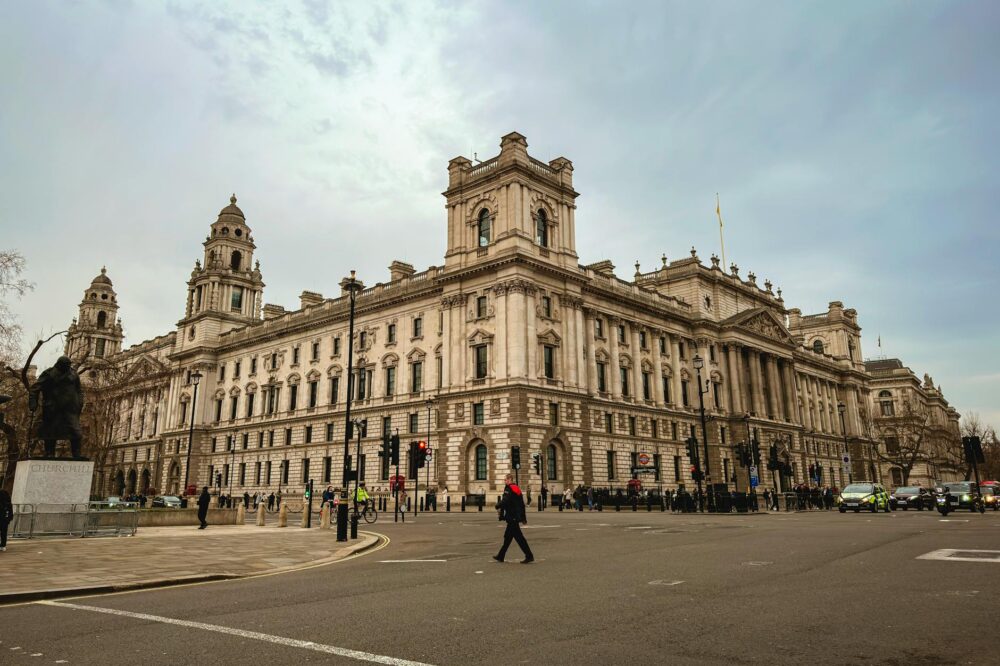
Photo by PublicDomainPictures on Pixabay


Thanks for mentioning that PhD fees are lower. Do many PhD students actually get full funding that covers both tuition and stipend?
Yes, many LSE PhD students receive full funding through LSE scholarships, research council awards, or external grants. These typically cover Home fees and provide a stipend. Overseas students may need additional funding for the higher fee difference. It’s competitive, so check the LSE funding database for opportunities.
Hi, thanks for the detailed breakdown. I’m an EU student without settled status. Does that mean I’ll definitely be classified as Overseas and pay the higher fees?
Yes, that’s correct. Since Brexit, most EU students without settled or pre-settled status are classified as Overseas for fee purposes. Always double-check your status with LSE’s admissions team, but generally you’d pay the overseas rate.
The table shows MSc Economics at £14k Home fee. Is that per year or total for the program?
Good question. The fees listed are per academic year. For a one-year full-time master’s, that’s the total tuition. For part-time or longer programs, fees are charged annually.
I’m considering the MSc Data Science. Are there any additional lab fees or equipment costs beyond the tuition?
Great question. For MSc Data Science, the tuition fee covers all standard teaching and lab access. However, you may want to budget for a personal laptop if you don’t have one, and optional software or books. Check the programme page for specific details.