
Table des matières:
Introduction
Strasbourg, the charming capital of the Alsace region, is known for its picturesque canals, half-timbered houses, and the impressive Strasbourg Cathedral. If you’re planning a visit or a move to this city, one of the first questions you might ask is: Do I need a car in Strasbourg? The answer largely depends on your lifestyle, where you live, and how you plan to get around. In this comprehensive guide, we’ll explore the various transportation options available, weigh the pros and cons of car ownership, and help you decide whether you really need a vehicle in this compact and well-connected city.
The Compact and Walkable City Center
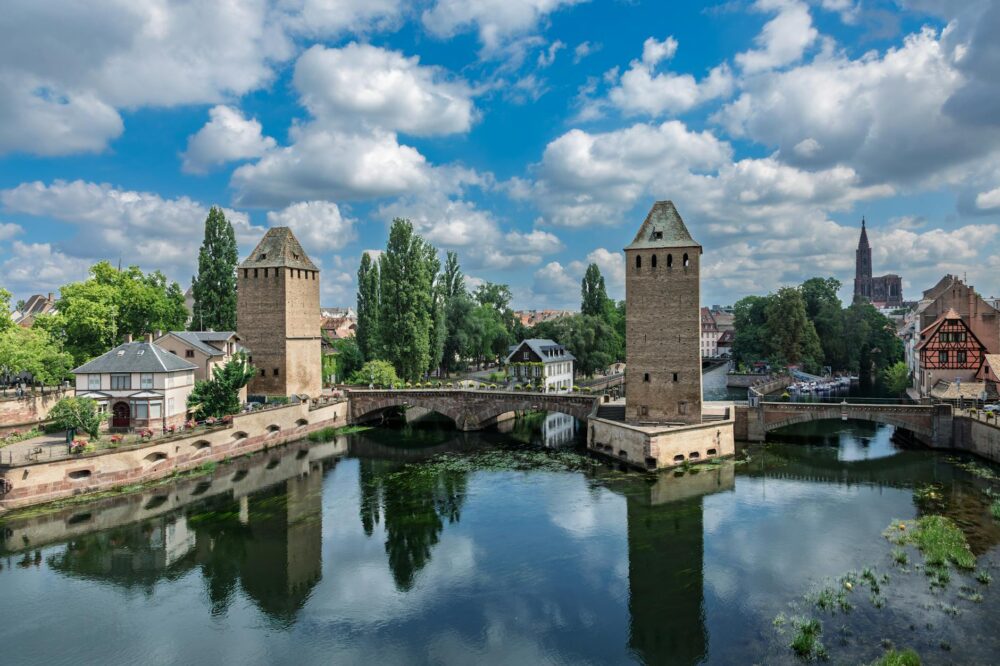
Strasbourg’s city center, particularly the Grande Île (UNESCO World Heritage site), is remarkably walkable. Most major attractions—such as the Cathedral, Petite France, and the Palais Rohan—are within a 20-minute walk of each other. The streets are pedestrian-friendly, and many areas are car-free or have restricted traffic. If you live or stay in the center, you can easily explore on foot. For daily errands, a short walk to the bakery, market, or pharmacy is often more convenient than finding parking.
Pedestrian Zones and Accessibility
The city has invested heavily in pedestrian zones. Rue des Grandes Arcades, Rue du Dôme, and the area around Place Kléber are car-free, making walking pleasant and safe. This means that for many residents and visitors, a car is unnecessary for daily activities within the center.
Public Transportation: An Efficient Alternative
Strasbourg boasts an excellent public transportation system operated by CTS (Compagnie des Transports Strasbourgeois). It includes trams, buses, and even a train network that connects the city to its suburbs. The tram system is particularly efficient, with six lines covering most of the city and surrounding areas. Buses complement the network, reaching neighborhoods not served by trams.
Tram and Bus Network
The trams run frequently (every 4-8 minutes during peak hours) and are reliable. A single ticket costs €1.80, or you can buy a 24-hour pass for €4.60. Monthly passes are available for residents at around €55. For most trips within the city, public transit is faster than driving, especially during rush hour when traffic can be heavy.
Bike-Friendly Infrastructure
Strasbourg is one of the most bike-friendly cities in France, with over 600 km of bike paths. The city’s flat terrain makes cycling easy and enjoyable. You can rent bikes through the Vélhop system (long-term rentals) or Vélocité (short-term rentals). Many locals use bikes for commuting, shopping, and leisure. If you live within a few kilometers of your workplace or school, biking is often the fastest and most eco-friendly option.
Parking Challenges and Costs
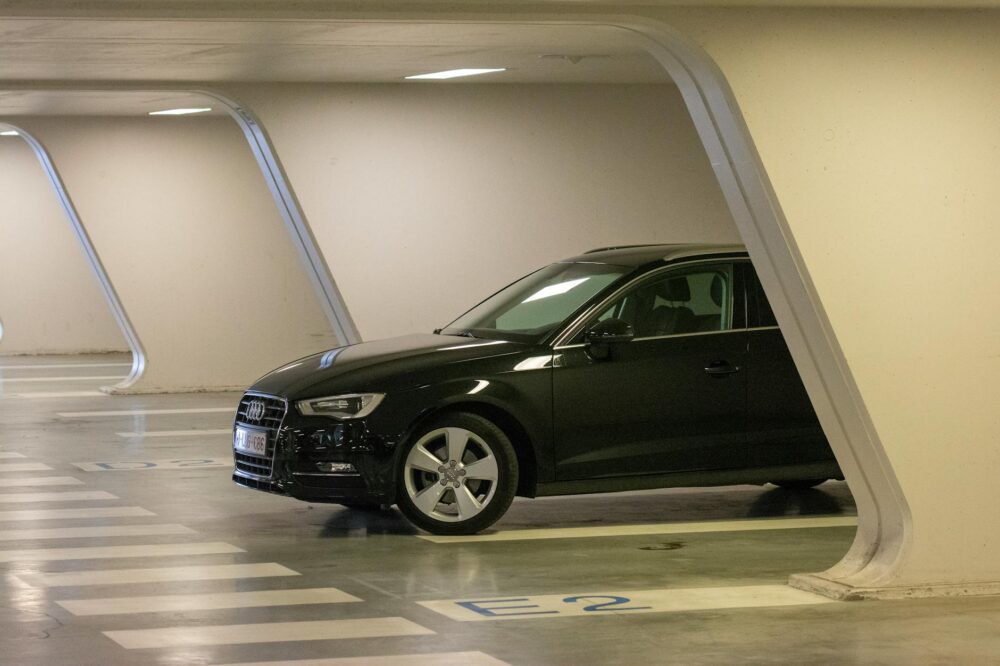
Driving in Strasbourg comes with significant challenges, especially parking. The city center has limited on-street parking, and most spaces are paid. Parking rates range from €1.50 to €3 per hour, and parking lots can cost €20-30 per day. Residential parking permits are available but often have waiting lists. If you live in the center, owning a car means dealing with the hassle of finding a spot and paying high fees.
Traffic Restrictions
The city has implemented a “Zone à Circulation Limitée” (ZCL) in the hyper-center, restricting through traffic. Only residents, delivery vehicles, and public transport are allowed in certain areas. This further discourages car use in the core.
Car Sharing and Rental Options
If you need a car occasionally, car-sharing services like Citiz and Getaround are available. Citiz has stations across the city where you can pick up and drop off a car by the hour. Rental agencies like Hertz and Europcar are also present, especially at the train station and airport. For a weekend trip to the Alsace wine route or the Black Forest, renting a car for a day or two is often cheaper and more practical than owning one.
When You Might Need a Car
While Strasbourg is well-served by alternatives, there are scenarios where a car is beneficial:
- Living in the suburbs or countryside: If you reside outside the city center, public transit may be less frequent, and a car provides flexibility.
- Commuting to nearby towns: If you work in an industrial zone or a town not well-connected by train or tram, driving might be necessary.
- Family with young children: Carrying groceries, strollers, and other gear can be cumbersome on public transit.
- Frequent weekend trips: Alsace is known for its beautiful villages and vineyards, many of which are best explored by car.
- Mobility constraints: For those with physical limitations, a car offers independence.
Environmental Considerations
Strasbourg is committed to reducing car traffic and improving air quality. The city has low-emission zones (ZFE) that restrict older, more polluting vehicles. If you own a car, it must meet certain emissions standards (Crit’Air sticker). By choosing public transit, biking, or walking, you contribute to a cleaner environment and avoid these restrictions.
Cost Comparison: Car vs. Alternatives
Let’s break down the annual costs:
- Car ownership: Insurance (€500-1,000), fuel (€1,000-2,000), parking (€500-1,500), maintenance (€500-1,000), depreciation (€1,000-3,000). Total: €3,500-8,500 per year.
- Public transit pass: €660 per year (monthly pass).
- Bike: Purchase (€200-1,000 once), maintenance (€100-200 per year).
- Car sharing: Pay-as-you-go, typically €5-10 per hour or €30-50 per day.
For most individuals, using a mix of walking, biking, and public transit is far cheaper than owning a car. Even occasional rentals add up to less than full ownership.
Conclusion
So, do I need a car in Strasbourg? For the majority of residents and visitors, the answer is no. The city’s compact size, excellent public transit, bike infrastructure, and walkability make car ownership unnecessary for daily life. However, if you live in the suburbs, have a family, or frequently explore the region, a car can be convenient. Consider your specific needs, budget, and lifestyle. Many people find that a combination of walking, biking, public transit, and occasional car sharing or rental is the ideal solution. Strasbourg is a city designed for people, not cars—embrace it, and you’ll discover a more relaxed and sustainable way of living.
Photo by Jan van der Wolf on Pexels

Je prévois de déménager à Strasbourg pour le travail. L’article mentionne que le centre-ville est très piétonnier, mais je vais habiter en banlieue. Est-ce que la voiture est vraiment indispensable si je dois prendre le tram tous les jours ?
Merci pour votre question. Si vous habitez en banlieue bien desservie par le tram ou le train, vous n’aurez probablement pas besoin de voiture au quotidien. Les abonnements mensuels sont abordables et les trams sont fréquents. Cependant, si votre trajet implique des correspondances longues ou des horaires décalés, une voiture peut être plus pratique. Pensez aussi au covoiturage ou à la location ponctuelle pour les trajets exceptionnels.
Je suis déjà venu à Strasbourg en voiture et j’ai passé une heure à chercher une place de parking près de la cathédrale. L’article a raison, c’est un vrai casse-tête. Pour ceux qui visitent juste un week-end, vous recommandez de laisser la voiture à l’hôtel en périphérie et d’utiliser les transports ?
Exactement. Pour une visite courte, il est souvent plus simple de garer votre voiture dans un parking relais (P+R) en périphérie, comme Rotonde ou Baggersee, et de prendre le tram pour le centre. Les P+R sont gratuits pour les détenteurs d’un ticket de tram aller-retour. Cela vous évite le stress du stationnement et les frais élevés.
L’article parle des pistes cyclables, mais est-ce que le vélo est vraiment sûr en hiver quand il neige ou qu’il pleut ? Je suis un peu inquiet pour la sécurité.
Bonne question. Strasbourg entretient bien ses pistes cyclables, même en hiver, avec un déneigement prioritaire sur les axes principaux. Cependant, par mauvais temps, il est conseillé d’équiper votre vélo de pneus adaptés et de lumières. De nombreux cyclistes continuent à rouler toute l’année. Si vous préférez, les transports en commun restent une excellente alternative les jours de forte pluie ou de neige.