Table des matières:
Introduction: Navigating Rome’s Culinary Landscape
Rome, the Eternal City, is a paradise for food lovers, offering everything from ancient recipes to modern culinary innovations. However, with millions of tourists visiting each year, it’s easy to fall into tourist traps—overpriced, low-quality restaurants that cater to visitors rather than locals. Learning how to avoid tourist traps and find authentic Roman restaurants is essential for anyone seeking a genuine taste of Roman culture and cuisine. This guide provides practical, insider tips to help you dine like a Roman, ensuring your meals are memorable for all the right reasons.
Understanding Tourist Traps in Rome
Tourist traps in Rome are restaurants that prioritize convenience and volume over quality and authenticity. They often have certain telltale signs that can help you steer clear. By recognizing these red flags, you can better navigate the city’s dining scene and focus on finding authentic Roman restaurants that offer true culinary experiences.
Common Characteristics of Tourist Traps
Tourist traps typically share several features that set them apart from genuine eateries. Being aware of these can save you from disappointing meals and wasted money.
- Menus translated into multiple languages with pictures of every dish.
- Aggressive staff outside trying to lure customers in with promises of discounts.
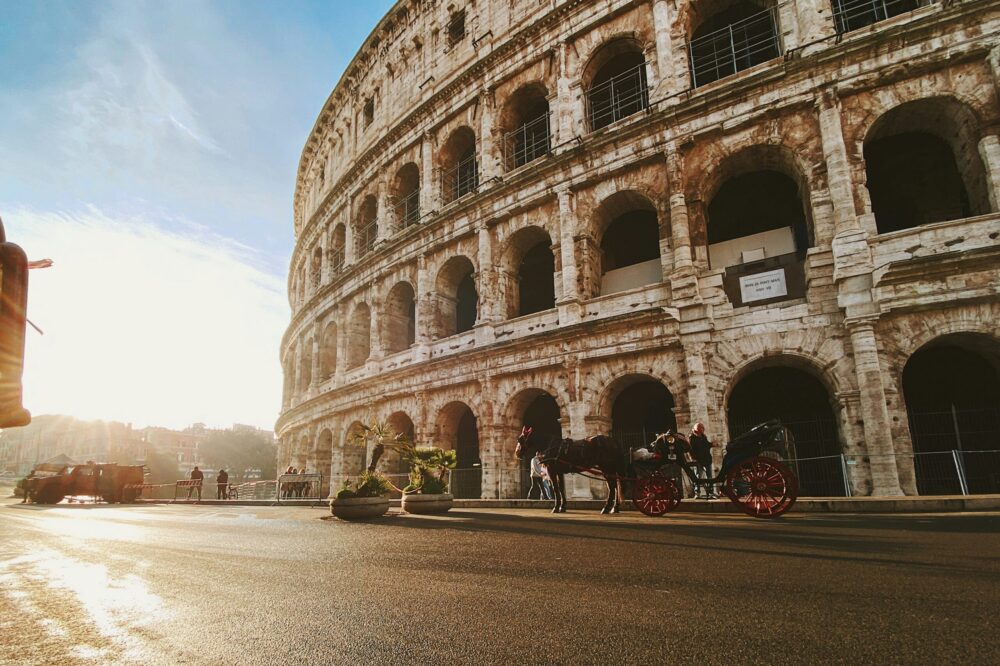
- Locations right next to major attractions like the Colosseum or Trevi Fountain.
- Overly generic menus that lack regional specialties or seasonal items.
- High prices for basic dishes like pasta or pizza compared to local norms.
Why Authentic Roman Restaurants Matter
Authentic Roman restaurants are more than just places to eat; they are custodians of culinary traditions that date back centuries. Dining at these establishments supports local businesses and preserves Rome’s rich food heritage. When you learn how to avoid tourist traps and find authentic Roman restaurants, you contribute to sustainable tourism and enjoy meals that reflect the true spirit of the city.
Strategies to Avoid Tourist Traps
Successfully avoiding tourist traps requires a combination of research, observation, and local insight. By applying these strategies, you can significantly increase your chances of dining at authentic Roman restaurants that offer exceptional food and atmosphere.
Research Before You Go
Preparation is key to avoiding tourist traps. Spend time researching restaurants online and through trusted sources to build a list of potential spots before your trip.
- Use local food blogs and websites written by Romans or long-term residents.
- Check reviews on platforms like Google Maps or TripAdvisor, but focus on detailed reviews from locals or frequent travelers.
- Look for restaurants that are recommended by culinary experts or featured in reputable travel guides.
- Avoid places with overwhelmingly positive reviews that seem generic or incentivized.
Observe the Restaurant Environment
Once in Rome, your observations can be a powerful tool in avoiding tourist traps. Pay attention to the details of a restaurant’s setup and clientele to gauge its authenticity.
- Notice if the restaurant is filled with locals, especially during peak dining hours like lunch or dinner.
- Check if the menu is handwritten or changes daily, indicating fresh, seasonal ingredients.
- Look for signs of a family-run business, such as personal touches or owners interacting with customers.
- Avoid restaurants with flashy signs or neon lights, as these often cater to tourists.
How to Find Authentic Roman Restaurants
Finding authentic Roman restaurants involves exploring beyond the main tourist areas and embracing local dining customs. By following these tips, you can discover hidden gems that offer genuine Roman cuisine and hospitality.
Explore Local Neighborhoods
To find authentic Roman restaurants, venture into residential neighborhoods where locals live and dine. These areas are less likely to have tourist traps and more likely to feature eateries that prioritize quality over tourist appeal.
- Visit neighborhoods like Trastevere, Testaccio, or Monti, known for their vibrant food scenes.
- Walk a few blocks away from major landmarks to discover lesser-known restaurants.
- Ask hotel staff or Airbnb hosts for recommendations in their local area.
- Follow the crowd during lunchtime to see where Romans are eating.
Embrace Roman Dining Customs
Understanding and adopting Roman dining customs can help you blend in and find authentic restaurants. Romans have specific habits when it comes to meals, and aligning with these can lead you to better dining experiences.
- Eat lunch between 1:00 PM and 3:00 PM and dinner after 8:00 PM, as Romans typically dine later.
- Look for restaurants that close between lunch and dinner, as this is common for authentic places.
- Order traditional Roman dishes like cacio e pepe, carbonara, or saltimbocca to test the kitchen’s authenticity.
- Engage with staff in Italian if possible, even with basic phrases, to show respect for local culture.
Use Technology Wisely
Modern technology can be a valuable ally in finding authentic Roman restaurants, but it’s important to use it critically. Combine digital tools with personal judgment to make informed choices.
- Use apps like TheFork or OpenTable to book tables at highly-rated local restaurants.
- Follow Roman food influencers on social media for real-time recommendations.
- Check restaurant websites for information on sourcing ingredients or chef backgrounds.
- Avoid relying solely on tourist-focused apps that may promote popular but inauthentic spots.
Spotting Authentic Roman Cuisine
Authentic Roman restaurants serve dishes that are rooted in tradition and made with high-quality ingredients. Knowing what to look for on the menu can help you identify genuine eateries and avoid tourist traps.
Key Dishes to Look For
Roman cuisine has signature dishes that are a test of a restaurant’s authenticity. If these are prepared well, it’s a good sign that you’ve found an authentic Roman restaurant.
- Cacio e Pepe: A simple pasta with pecorino cheese and black pepper—should be creamy without cream.
- Carbonara: Made with eggs, pecorino, guanciale, and pepper—never with cream or peas.
- Saltimbocca alla Romana: Veal with prosciutto and sage, cooked in white wine.
- Carciofi alla Romana: Artichokes braised with herbs, a seasonal specialty.
Ingredients and Preparation
Authentic Roman restaurants prioritize fresh, local ingredients and traditional preparation methods. Pay attention to these details when evaluating a restaurant.
- Look for menus that mention local suppliers or seasonal produce.
- Observe if pasta is made in-house or sourced from reputable local producers.
- Check if dishes are cooked to order rather than pre-made and reheated.
- Avoid restaurants that use frozen or imported ingredients for classic Roman dishes.
Conclusion: Savoring the Real Rome
Learning how to avoid tourist traps and find authentic Roman restaurants is a rewarding skill that enhances any visit to Rome. By researching ahead, observing your surroundings, exploring local neighborhoods, and embracing Roman dining customs, you can enjoy meals that are true to the city’s culinary heritage. Remember, authentic Roman restaurants are about more than just food—they offer a connection to Rome’s culture and people. Use this guide to navigate the dining scene with confidence, and you’ll leave with memories of delicious, genuine Roman cuisine that reflects the heart of the Eternal City. Whether you’re a first-time visitor or a seasoned traveler, these tips will help you dine like a local and savor the real Rome.
Photo by Anna Church on Unsplash