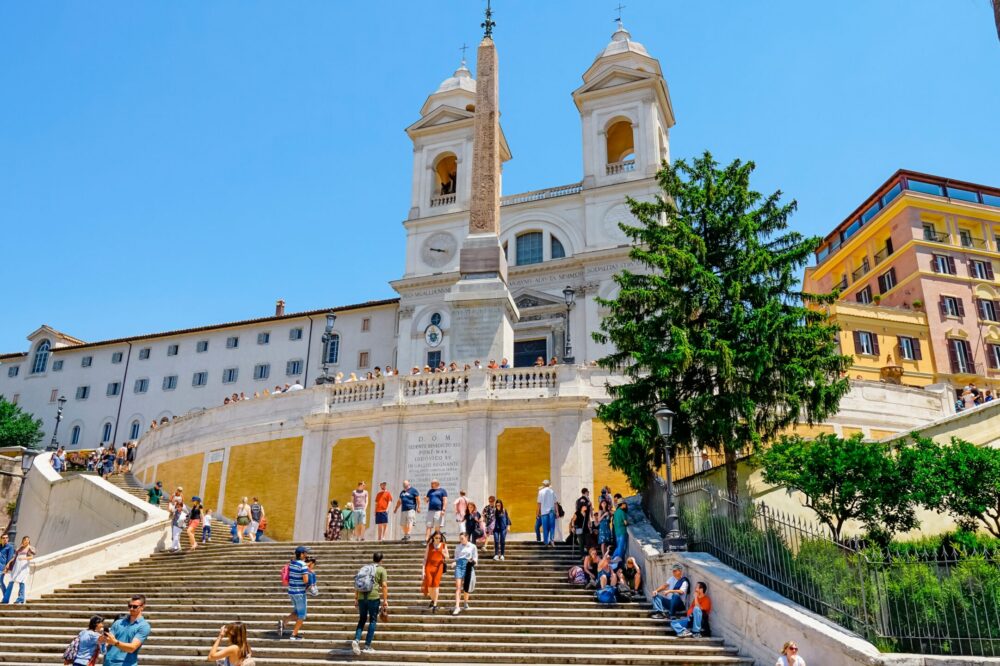
Rome, the Eternal City, is home to some of the world’s most iconic landmarks, attracting millions of visitors each year. From the majestic Spanish Steps to the ancient Colosseum, these sites are not just tourist attractions but cultural treasures that require careful preservation. Understanding the rules for visiting the Spanish Steps and other popular landmarks is crucial for ensuring a respectful and enjoyable experience. This guide provides a comprehensive overview of the regulations, etiquette, and practical tips to help you navigate Rome’s most famous sites responsibly.
Table des matières:
Why Rules Matter for Visiting Landmarks in Rome
Rome’s landmarks are protected under Italian law and international heritage agreements. The rules for visiting the Spanish Steps and other popular landmarks are designed to prevent damage, ensure safety, and preserve these sites for future generations. Ignoring these regulations can result in fines, restrictions, or even closure of areas to the public. By following the guidelines, you contribute to conservation efforts and show respect for Italy’s rich cultural history.
Specific Rules for the Spanish Steps
The Spanish Steps, or Scalinata di Trinità dei Monti, are one of Rome’s most photographed locations. In recent years, authorities have implemented strict rules to address issues like overcrowding and littering. Here are the key regulations you need to know.
No Sitting or Lingering on the Steps
As of 2019, sitting, eating, or lingering on the Spanish Steps is prohibited. This rule aims to reduce wear and tear and maintain the site’s dignity. Violators can face fines ranging from €250 to €400. Visitors are encouraged to admire the steps from the base or top, but avoid using them as a resting spot.
Restrictions on Food and Drinks
Consuming food or drinks on the Spanish Steps is not allowed. This helps prevent litter and stains on the historic travertine stone. If you need a snack, move to a nearby piazza or designated eating area.
Guidelines for Photography and Behavior
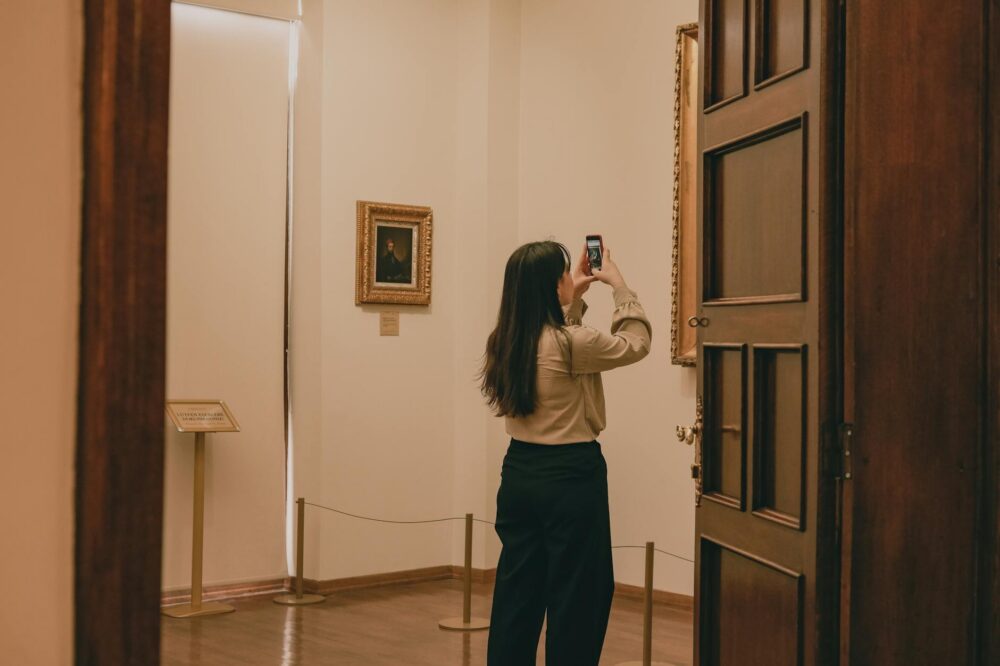
While photography is permitted, avoid blocking pathways or causing disruptions. Be mindful of other visitors and refrain from loud noises or inappropriate behavior. The Spanish Steps are a public space, but they demand a level of decorum befitting their cultural significance.
Rules for Other Popular Landmarks in Rome
Beyond the Spanish Steps, Rome’s other landmarks have their own sets of rules. Here’s what you need to know for a seamless visit.
Colosseum and Roman Forum
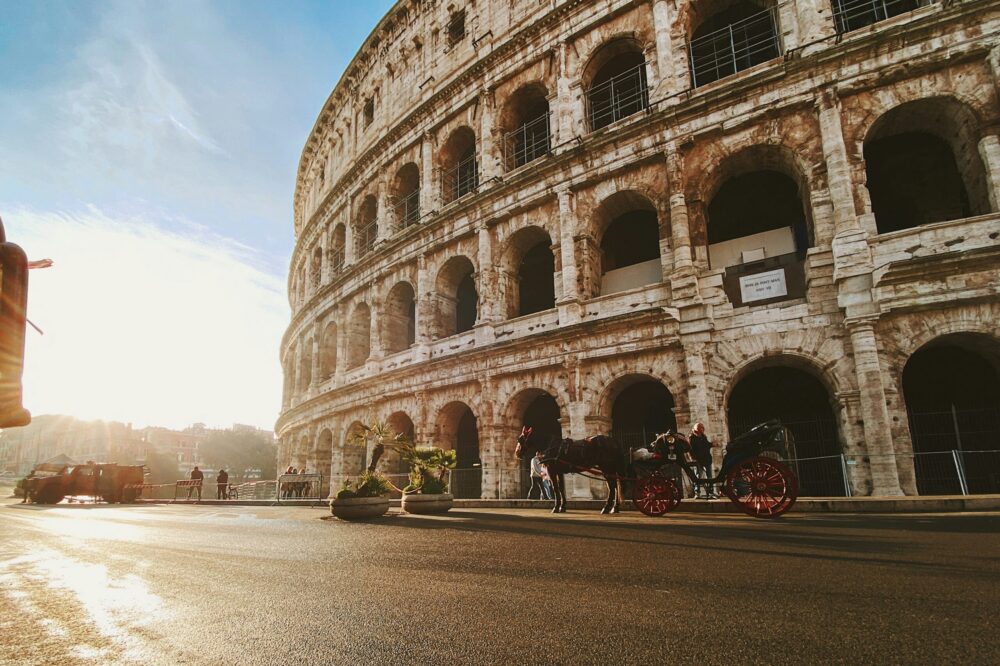
The Colosseum and Roman Forum are managed by the Parco Archeologico del Colosseo. Key rules include:
- Ticket Requirements: Purchase tickets in advance online to avoid long queues and ensure entry, as daily visitor numbers are capped.
- Bag Checks: All bags are subject to security screening. Large backpacks or suitcases are not permitted inside.
- Restricted Areas: Some sections, like the underground hypogeum, require special tours or additional fees.
- No Touching Artifacts: Avoid touching walls, columns, or artifacts to prevent erosion and damage.
Vatican City and St. Peter’s Basilica
As a sovereign state, Vatican City has strict dress codes and conduct rules:
- Dress Code: Shoulders and knees must be covered for entry into St. Peter’s Basilica and the Vatican Museums. Avoid shorts, sleeveless tops, or short skirts.
- Silence and Respect: Maintain a quiet demeanor, especially in religious areas. Photography may be restricted in certain chapels.
- Security Screening: Expect airport-style security checks at entrances.
Trevi Fountain
The Trevi Fountain, like the Spanish Steps, has rules to combat overcrowding and preserve its beauty:
- No Wading or Swimming: Entering the water is strictly prohibited and can result in fines.
- Respect the Space: Avoid sitting on the fountain’s edges or throwing objects into the water.
- Coin Tossing Etiquette: If you toss a coin for luck, do so gently and from the designated area to avoid damaging the fountain.
General Etiquette for Visiting Landmarks in Rome
Adhering to general etiquette enhances your experience and shows respect for local customs. Keep these tips in mind when exploring the rules for visiting the Spanish Steps and other popular landmarks.
Plan Ahead and Book in Advance
Many landmarks have limited entry or require timed tickets. Booking online saves time and guarantees access, especially during peak seasons like summer or holidays.
Follow Signage and Instructions
Pay attention to posted signs, barriers, and staff directions. These are in place for your safety and the protection of the sites.
Be Mindful of Crowds and Noise
Rome’s landmarks can get crowded. Move efficiently, avoid blocking paths, and keep noise levels low to respect other visitors and the serene atmosphere of historical sites.
Dispose of Waste Properly
Use designated trash bins to keep areas clean. Littering is not only disrespectful but can also lead to fines under local ordinances.
Consequences of Breaking the Rules
Ignoring the rules for visiting the Spanish Steps and other popular landmarks can have serious repercussions. Fines are common for violations like sitting on the Spanish Steps or wading in the Trevi Fountain. In severe cases, such as vandalism, legal action may be taken. Repeated offenses could lead to increased restrictions or reduced public access, harming the experience for future visitors.
Tips for a Responsible and Enjoyable Visit
To make the most of your trip while adhering to regulations, consider these practical tips:
- Visit Early or Late: Arrive early in the morning or later in the afternoon to avoid the largest crowds.
- Use Guided Tours: Professional guides often provide insights into rules and history, enhancing your understanding.
- Stay Informed: Check official websites or local tourism offices for updates on rules, especially as regulations can change.
- Respect Local Culture: Embrace Italian customs, such as greeting with “buongiorno” and dressing modestly, to show appreciation for the heritage.
Conclusion
Understanding the rules for visiting the Spanish Steps and other popular landmarks is essential for any traveler to Rome. These regulations protect invaluable cultural assets and ensure a pleasant experience for all. By planning ahead, following etiquette, and respecting the guidelines, you contribute to the preservation of Rome’s timeless beauty. Whether you’re tossing a coin at the Trevi Fountain or marveling at the Colosseum, a responsible approach allows you to enjoy these wonders while honoring their historical significance. Remember, your actions help keep these landmarks accessible and awe-inspiring for generations to come.
Photo by Hilthart Pedersen on Unsplash