Table des matières:
Introduction: Exploring Rome’s Rich Ecclesiastical Heritage Beyond St. Peter’s
Rome, the Eternal City, is a treasure trove of history, art, and spirituality, with St. Peter’s Basilica often dominating the spotlight for visitors. However, to truly appreciate the depth of Rome’s religious and cultural legacy, one must venture beyond this iconic site. This article answers the question: What are the top historical churches to visit in Rome besides St. Peter’s? We’ll guide you through a curated selection of churches that showcase centuries of architectural brilliance, artistic masterpieces, and profound historical significance. From ancient basilicas to Renaissance gems, these sites offer a more intimate and enriching experience, allowing you to delve into the heart of Rome’s ecclesiastical heritage without the crowds of Vatican City.
Ancient Foundations: Churches with Roots in Early Christianity
Rome’s earliest churches provide a direct link to the dawn of Christianity, offering insights into the faith’s formative years. These structures often incorporate elements from pre-Christian times, blending pagan and Christian traditions in a unique architectural tapestry.
Basilica of San Clemente: A Journey Through Time
Located near the Colosseum, the Basilica of San Clemente is a must-visit for history enthusiasts. This church is a remarkable archaeological site, consisting of three layers: a 12th-century basilica at street level, a 4th-century church beneath it, and a 1st-century Mithraeum (a temple dedicated to the god Mithras) even deeper. As you descend, you literally walk through centuries of Roman history, making it one of the top historical churches to visit in Rome besides St. Peter’s for its unparalleled stratification.
- Highlights: 12th-century apse mosaics, early Christian frescoes, and the ancient Mithraeum.
- Why visit: Experience a tangible timeline of Rome’s religious evolution in one location.
Santa Sabina: A Pristine Early Christian Basilica
Perched on the Aventine Hill, Santa Sabina dates back to the 5th century and is one of the best-preserved early Christian basilicas in Rome. Its simple yet elegant design, with a wooden ceiling and original cypress doors, offers a glimpse into the unadorned beauty of early church architecture. The serene atmosphere and panoramic views of the Tiber River add to its appeal, making it a peaceful retreat from the city’s hustle.
- Highlights: 5th-century cypress doors with biblical carvings, ancient mosaic inscriptions, and a tranquil cloister.
- Why visit: See a rare example of early Christian architecture in near-original condition.
Renaissance and Baroque Masterpieces: Churches as Art Galleries
The Renaissance and Baroque periods transformed Rome’s churches into canvases for artistic genius, with works by masters like Michelangelo, Caravaggio, and Bernini. These churches are not just places of worship but veritable museums, housing some of the world’s most celebrated art.
Santa Maria del Popolo: A Treasure Trove of Renaissance Art
Nestled in Piazza del Popolo, this church is a hidden gem for art lovers. It features chapels designed by Bramante and Raphael, and it houses two masterpieces by Caravaggio: “The Conversion of St. Paul” and “The Crucifixion of St. Peter.” The Chigi Chapel, designed by Raphael, adds to its artistic prestige. When considering what are the top historical churches to visit in Rome besides St. Peter’s, Santa Maria del Popolo stands out for its concentration of Renaissance brilliance.
- Highlights: Caravaggio’s paintings, Raphael’s architectural designs, and a rich collection of sculptures.
- Why visit: Immerse yourself in a compact gallery of Renaissance and Baroque art.
San Luigi dei Francesi: Home to Caravaggio’s St. Matthew Cycle
This French national church in Rome is renowned for the Contarelli Chapel, which contains three pivotal works by Caravaggio: “The Calling of St. Matthew,” “The Inspiration of St. Matthew,” and “The Martyrdom of St. Matthew.” These paintings exemplify Caravaggio’s revolutionary use of chiaroscuro (light and shadow) and dramatic realism. The church itself, with its ornate Baroque facade, is a testament to 16th-century design.
- Highlights: Caravaggio’s St. Matthew cycle, a stunning Baroque interior, and French historical connections.
- Why visit: Witness Caravaggio’s artistic genius in a dedicated setting.
Architectural Wonders: Churches with Unique Structural Designs
Some of Rome’s churches are celebrated not only for their art but also for their innovative architecture, pushing the boundaries of design and engineering across different eras.
Pantheon: From Pagan Temple to Christian Church
Originally built as a Roman temple dedicated to all gods, the Pantheon was consecrated as a Christian church in the 7th century, known as Santa Maria ad Martyres. Its massive dome, with an oculus (open hole) at the center, remains an engineering marvel and the world’s largest unreinforced concrete dome. The interplay of light through the oculus creates a mystical atmosphere, making it a top historical church to visit in Rome besides St. Peter’s for its architectural grandeur.
- Highlights: The iconic dome and oculus, ancient Roman architecture, and tombs of notable figures like Raphael.
- Why visit: Experience a seamless blend of pagan and Christian history in a groundbreaking structure.
San Carlo alle Quattro Fontane: Borromini’s Baroque Jewel
Designed by Francesco Borromini, this small church is a masterpiece of Baroque architecture. Its undulating facade, complex geometric forms, and illusionistic dome showcase Borromini’s innovative style. Despite its compact size, the church feels expansive due to clever spatial design. It’s a must-see for architecture enthusiasts exploring what are the top historical churches to visit in Rome besides St. Peter’s.
- Highlights: Borromini’s dynamic facade, a white stucco interior, and a mathematically precise dome.
- Why visit: Appreciate the ingenuity of Baroque architecture in an intimate setting.
Churches with Profound Spiritual Significance
Beyond art and architecture, many churches in Rome hold deep spiritual importance, serving as pilgrimage sites or housing revered relics that draw faithful from around the world.
Basilica of Santa Maria Maggiore: A Marian Sanctuary
One of Rome’s four major papal basilicas, Santa Maria Maggiore is dedicated to the Virgin Mary and boasts a rich history dating to the 5th century. It is believed to have been built after a miraculous snowfall in August, and it houses a relic said to be from the Holy Crib of Jesus. The church’s stunning mosaics, including some of the oldest in Rome, and its golden ceiling add to its sacred aura.
- Highlights: 5th-century mosaics, the Holy Crib relic, and a Renaissance coffered ceiling.
- Why visit: Engage with a site of Marian devotion and early Christian artistry.
San Giovanni in Laterano: The Cathedral of Rome
As the cathedral of the Diocese of Rome and the official ecclesiastical seat of the Pope, San Giovanni in Laterano holds a unique status. It predates St. Peter’s and features a majestic facade, a grandiose interior with colossal statues of the apostles, and the Scala Sancta (Holy Stairs), believed to be from Pontius Pilate’s palace. This church is essential for understanding Rome’s ecclesiastical hierarchy.
- Highlights: The Scala Sancta, Baroque interior by Borromini, and ancient bronze doors.
- Why visit: Explore the Pope’s cathedral and a key site in Catholic history.
Hidden Gems: Lesser-Known Churches with Unique Stories
Rome is dotted with smaller churches that offer unique histories and artistic treasures, often overlooked by tourists but cherished by locals and savvy travelers.
Santa Cecilia in Trastevere: A Saint’s Legacy
Dedicated to St. Cecilia, the patron saint of music, this church in the charming Trastevere neighborhood houses a stunning 9th-century mosaic in the apse and a sculpture of the saint by Stefano Maderno. The crypt contains ancient Roman ruins, and the tranquil courtyard provides a quiet escape. It’s a top historical church to visit in Rome besides St. Peter’s for its artistic and musical connections.
- Highlights: Maderno’s sculpture of St. Cecilia, Byzantine mosaics, and a peaceful atmosphere.
- Why visit: Discover a church intertwined with musical heritage and early Christian art.
Sant’Ivo alla Sapienza: Borromini’s Architectural Triumph
Located within the courtyard of the former University of Rome, this church is another Borromini masterpiece, known for its unique spiral lantern and star-shaped plan. Its design reflects Baroque complexity and symbolism, making it a favorite among architecture aficionados. Due to its limited opening hours, it remains a hidden treasure.
- Highlights: The spiral dome, geometric interior, and integration with Renaissance palace architecture.
- Why visit: See one of Borromini’s most innovative and less-visited works.
Conclusion: Enrich Your Roman Journey with These Ecclesiastical Treasures
In answering what are the top historical churches to visit in Rome besides St. Peter’s, we’ve explored a diverse array of sites that span from ancient foundations to Baroque brilliance. Each church offers a unique window into Rome’s multifaceted history, whether through art, architecture, or spirituality. By venturing beyond St. Peter’s Basilica, you’ll gain a deeper appreciation for the city’s rich ecclesiastical heritage and discover quieter, more intimate spaces that resonate with centuries of faith and creativity. We encourage you to include these churches in your itinerary for a truly immersive Roman experience. Start planning your visit today to uncover the hidden layers of the Eternal City’s sacred landscape.
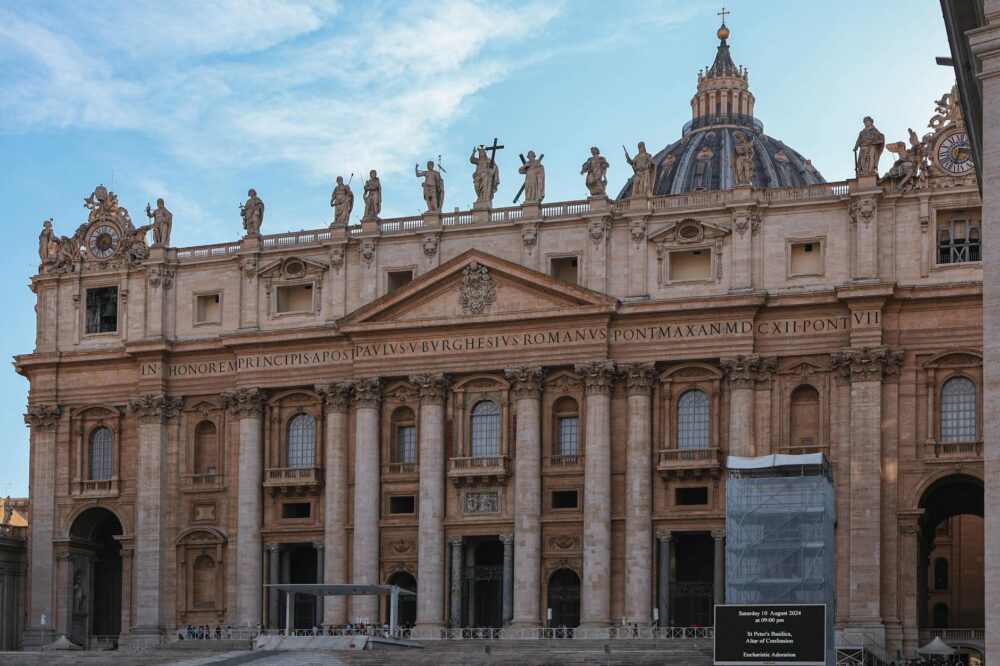
Photo by C1 Superstar on Pexels