
Table des matières:
Navigating Paris on a Student Budget
Paris is a sprawling city with excellent public transit, but costs can add up. As a student, you need affordable, reliable ways to get to class, explore the city, and maybe even visit the suburbs. This guide covers every transportation option for students in Paris, from the Metro to bike-sharing, with tips to save money.
1. The Metro: Your Underground Backbone
The Paris Metro is the fastest way to travel within the city. With 16 lines and over 300 stations, it connects most universities, libraries, and popular spots. Trains run from 5:30 AM to about 1:15 AM (later on weekends).
Student Discounts on the Metro
If you are under 26 and enrolled in a French school, you can get the Imagine R Étudiant pass. This annual pass costs around €350 (about €29/month) and gives unlimited travel on the Metro, RER, buses, trams, and even some suburban trains. It also includes the Orlyval shuttle to Orly Airport. Without it, a single ticket costs €1.90, and a monthly pass (Navigo Mois) is €84.10, so the Imagine R saves you over 60%.
| Pass Type | Price | Validity | Best For |
|---|---|---|---|
| Imagine R Étudiant | €350/year | All zones, all modes | Students under 26 |
| Navigo Mois | €84.10/month | All zones | Non-students or older |
| Ticket t+ (single) | €1.90 | Metro, bus, tram | Occasional travel |
2. Buses and Trams: Above-Ground Alternatives
Buses complement the Metro, especially for routes not covered by rail. They run from 6 AM to 12:30 AM, with some night buses (Noctilien) after hours. Trams are mostly in the suburbs but also useful for students living in outer arrondissements. The same Imagine R pass covers all buses and trams.
When to Choose the Bus
- When you want to see the city above ground
- Late at night when Metro stops early (Noctilien buses run all night)
- To reach specific destinations like universities on the outskirts
3. RER: Connecting Paris to the Suburbs
The RER (Réseau Express Régional) is a faster train that crosses Paris and extends to suburbs. It is essential for students living in the banlieue or commuting to campuses like Université Paris-Saclay. The Imagine R pass covers all RER zones if you buy the full pass (zone 1-5). Without it, a one-way ticket from Paris to Versailles costs about €3.65.
Tip: If you only travel within central Paris (zone 1-2), a basic Navigo pass might be cheaper, but for most students, the Imagine R is the best value.
4. Vélib’ Métropole: Bike-Sharing for the Last Mile
Paris’s bike-sharing system, Vélib’, has over 14,000 bikes including electric ones. Students get a discount: a yearly subscription costs about €39 (vs. €89 for adults). The first 30 minutes are free, then incremental fees. Electric bikes cost extra per ride. It’s perfect for short trips between Metro stops or to reach campus.
How to Use Vélib’
- Download the Vélib’ app
- Choose a subscription: annual, monthly, or pay-as-you-go
- Unlock a bike with the app or card
- Return to any docking station
Mistake to avoid: Not checking if the bike is in good condition; always inspect brakes and tires.
5. Walking: The Healthiest Option
Paris is a walkable city. Many university areas (Latin Quarter, Odéon, Montparnasse) are close to each other. Walking saves money, keeps you fit, and lets you discover hidden cafés. Combine walking with Metro for longer distances.
6. Ride-Sharing and Taxis: When You Need Speed
Uber, Bolt, and local taxis are available but expensive for daily use. Students use them for late nights or when carrying heavy bags. A typical ride within Paris costs €10-20. Avoid surge pricing by planning ahead.
Alternative: BlaBlaCar for intercity trips or shared rides.
7. Scooters and Electric Skateboards: Trendy but Regulated
Electric scooters (e-scooters) like Lime, Dott, and Tier are popular. You can rent them via app; unlocking costs €1, then €0.15-0.25 per minute. Monthly passes exist for frequent users. However, Paris has strict rules: no riding on sidewalks (use bike lanes), no passengers, and helmets recommended. Parking is only in designated areas or risk fines.
8. Student-Specific Discounts and Passes
Besides Imagine R, check your university for subsidized transport passes. Some schools partner with Île-de-France Mobilités to offer further discounts. Also, the Navigo Liberté+ card is a pay-as-you-go option that charges at the end of the month, with a 10% discount compared to single tickets.
Checklist: Getting Your Imagine R Pass
- Be under 26 years old
- Enrolled in a school in Île-de-France
- Prepare a photo, proof of enrollment, and ID
- Apply online at ImagineR.com or at a Metro station
- Pay the annual fee (€350 for 2024-2025)
- Receive the card by mail or pick it up
9. Navigating During Strikes and Disruptions
Paris transit strikes are common. When they happen, check the RATP app for real-time updates. Alternatives: walk, bike (Vélib’ is often available), or use ride-sharing. Some students form carpools via social media groups.
10. Mistakes to Avoid
- Buying single tickets daily: The Imagine R pass pays for itself in 4 months if you travel daily.
- Forgetting to validate your ticket: In Metro, you must pass through the gate; on buses, tap the card. Fines are €50-100.
- Using the wrong zone pass: If you live in zone 3 but have a zone 1-2 pass, you can’t exit at your station.
- Not having a backup for late nights: Metro stops around 1 AM; know your Noctilien bus route.
Frequently Asked Questions
Can I use my student ID for discounts on public transport?
No, you need a specific Navigo card like Imagine R. Student ID alone does not grant discounts.
Is the Imagine R pass valid for all of Île-de-France?
Yes, the standard pass covers zones 1-5, including all Metro, RER, bus, tram, and even the Orlyval shuttle.
What’s the cheapest way to get from Charles de Gaulle Airport to Paris as a student?
Take the RER B (line B) from CDG to central Paris. With an Imagine R pass, it’s free (if you have zones 1-5). Otherwise, a single ticket is €11.40.
Are there night buses in Paris?
Yes, the Noctilien network runs from 12:30 AM to 5:30 AM, covering most routes. Fares are the same as daytime buses.
Can I bring my bike on the Metro or RER?
Folded bikes are allowed anytime. Regular bikes are not allowed on Metro during peak hours (6:30-9:30 AM and 4:30-7:30 PM) but can be taken on RER with a special ticket.
What should I do if I lose my Imagine R card?
Report it immediately online or at a station. You can get a replacement for about €20, but your pass will be deactivated to prevent misuse.
Your Next Step: Get the Imagine R Pass
If you are a student in Paris, the Imagine R pass is your best investment. It covers all public transport, saves hundreds of euros, and gives you freedom to explore. Apply online before the academic year starts, and keep your card safe. For occasional travel, combine walking, Vélib’, and single tickets. Now you know all the transportation options for students in Paris—choose what fits your lifestyle and budget.
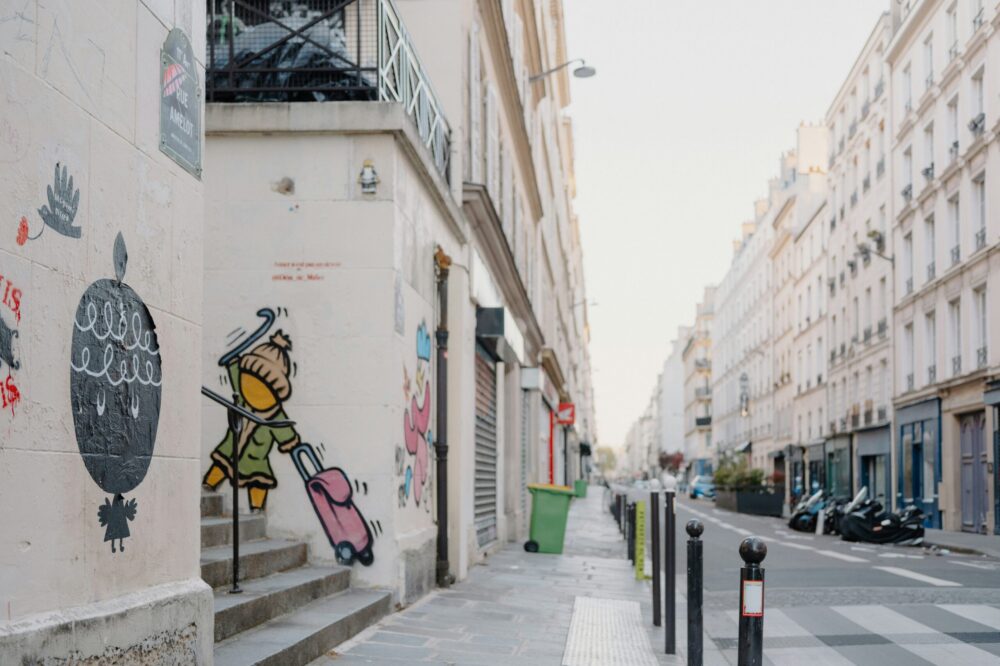
Photo by Annie Spratt on Unsplash



Great article! One thing I’d add: the Noctilien night buses are a lifesaver for late-night study sessions or going out. They run every 15-30 minutes on major lines.
Absolutely, thanks for mentioning that! The Noctilien network is very reliable for students who stay out late. Just note that a single ticket on Noctilien costs €2.10 (slightly more than a regular t+ ticket), but your Imagine R pass covers it as well. So it’s a good option to keep in mind.
I’m an international student starting at Sorbonne University in September. The Imagine R pass sounds great, but do I need to have a French bank account to buy it?
Yes, you typically need a French bank account or a French IBAN to purchase the Imagine R pass, as it is often set up as a direct debit. However, some ticket offices may accept payment by credit card or cash if you go in person. You can also check with your university’s international office—they sometimes help new students with the process.
Is the Vélib’ subscription worth it if I only use it occasionally? I live near campus and walk most days.
If you only ride occasionally, a pay-as-you-go option might be better than the annual subscription. Vélib’ offers single rides and short-term passes. For example, a 24-hour pass costs €5 and includes unlimited 30-minute trips. That could be cheaper if you only bike once a week.