
Table des matières:
What Does It Really Cost to Live in Rome as a Student?
Rome is one of the most iconic cities in the world, but for students, the question of affordability is crucial. The short answer: living in Rome as a student is moderately expensive compared to other Italian cities, but cheaper than many other European capitals. With careful planning, you can manage your budget and still enjoy la dolce vita.
In this guide, we break down the real costs—rent, food, transportation, utilities, and more—so you can decide if Rome fits your student budget.
Average Monthly Budget for a Student in Rome
On average, a student in Rome spends between €800 and €1,200 per month. This includes rent, groceries, transport, and some leisure. Here’s a typical breakdown:
| Expense Category | Monthly Cost (€) |
|---|---|
| Rent (shared apartment) | 350–600 |
| Utilities (electricity, gas, water, internet) | 50–100 |
| Groceries | 150–250 |
| Transport (monthly pass) | 35 |
| Phone plan | 10–20 |
| Leisure & dining out | 100–200 |
| Health insurance (if not covered) | 30–50 |
| Miscellaneous (books, supplies, etc.) | 30–50 |
These figures can vary based on your lifestyle and location within the city. Living near the city center or in popular student neighborhoods like San Lorenzo or Trastevere tends to be pricier.
Housing Costs: The Biggest Expense
Rent is the single largest cost for students in Rome. A room in a shared apartment typically costs €350–€600 per month. Studios or one-bedroom apartments can range from €700 to €1,200. University dormitories are cheaper but often have limited availability.
Neighborhoods to Consider
- San Lorenzo: Popular with students, vibrant nightlife, affordable rooms (€350–€500).
- Pigneto: Trendy, artistic, slightly cheaper than center (€300–€450).
- Trastevere: Beautiful but touristy, higher rents (€500–€700).
- Testaccio: Authentic Roman feel, moderate prices (€400–€550).
- Centro Storico: Very expensive, not recommended for budget-conscious students.
Pro tip: Use websites like Subito.it or Bakeca.it to find rooms. Always visit the place before paying any deposit.
Food and Grocery Costs
Eating in Rome can be affordable if you shop smart. A typical weekly grocery shop at discount supermarkets like Lidl, Eurospin, or Conad costs around €30–€50. Cooking at home is much cheaper than eating out.
If you want to enjoy a pizza or pasta dish at a trattoria, expect to pay €8–€15 for a meal. A coffee at the bar costs around €1.10. Many students take advantage of aperitivo (happy hour), where you pay for a drink and get free buffet food—a great way to save on dinner.
Transportation: Getting Around Cheaply
Rome’s public transport includes buses, trams, metro, and regional trains. A monthly student pass (under 26 years old) costs €35 for unlimited travel within the city. Single tickets are €1.50 for 100 minutes. Walking is also a great option in the historic center.
If you plan to travel outside Rome, consider the Carta Tutto Treno or regional train passes. Many students also use bike-sharing services like Ridemovi or Lime for short trips.
University Fees and Study Costs
Tuition fees at public universities in Rome (Sapienza, Roma Tre, Tor Vergata) are income-based and range from €150 to €2,500 per year. EU students pay lower fees, while non-EU students may pay slightly more. Scholarships and fee waivers are available based on family income and academic merit.
Books and supplies can cost €200–€400 per year, but many students buy used books or use library copies.
Healthcare and Insurance
EU students can use the European Health Insurance Card (EHIC) for basic healthcare. Non-EU students are required to have health insurance, either private (€30–€50/month) or by registering with the Italian National Health Service (€150/year).

Hidden Costs and Money-Saving Tips
Rome has many hidden costs: tourist taxes, high prices in central cafes, and unexpected fees for utilities. Here’s a checklist to avoid overspending:
- Always ask for student discounts – many museums, cinemas, and even some shops offer reduced prices.
- Cook at home – eating out daily can blow your budget.
- Use public transport – avoid taxis and Ubers.
- Buy used furniture and appliances – check Facebook groups or flea markets.
- Get a part-time job – up to 20 hours/week allowed on a student visa.
- Share subscriptions – split Netflix, Spotify, or internet with roommates.
Comparison with Other Italian Cities
Is it expensive to live in Rome as a student compared to other Italian cities? Here’s a quick comparison:
| City | Average Monthly Cost (student) |
|---|---|
| Rome | €800–€1,200 |
| Milan | €1,000–€1,500 |
| Florence | €750–€1,100 |
| Bologna | €700–€1,000 |
| Naples | €600–€900 |
Rome is more expensive than Naples and Bologna but cheaper than Milan. The cost of living in Rome is balanced by the city’s cultural richness and student life.
Frequently Asked Questions
Can I live in Rome with €700 per month?
Yes, but it’s tight. You’d need cheap rent (€300–€350) and strict budgeting. Consider sharing a room or living outside the city center.
What is the cheapest area for students in Rome?
San Lorenzo and Pigneto are the most affordable student neighborhoods. Tor Vergata area near the university is also cheap.
How much does a meal cost in Rome for a student?
A pizza or pasta dish at a casual restaurant costs €8–€12. A sandwich or panino is €4–€6. Cooking at home costs about €3–€5 per meal.
Is it cheaper to live in Rome or Milan for students?
Rome is generally cheaper than Milan, especially for rent. Milan has higher housing costs and a more expensive lifestyle.
Do students get discounts on public transport in Rome?
Yes, students under 26 get a monthly pass for €35 (standard is €50). You need an ISIC card or university ID.
Can I work part-time as a student in Rome?
Yes, non-EU students with a valid permit can work up to 20 hours per week. EU students have no restrictions.
Practical Recommendations for Budget Living in Rome
Living in Rome as a student is manageable if you plan ahead. Here are final tips:
- Apply for scholarships – many universities offer financial aid for low-income students.
- Use student housing services – check Erasmusu or Student.com for verified rooms.
- Take advantage of free events – Rome has many free museums on the first Sunday of the month.
- Learn to cook Italian staples – pasta, rice, and seasonal vegetables are cheap and healthy.
- Open an Italian bank account – avoid foreign transaction fees.
With these strategies, you can enjoy your studies in Rome without breaking the bank. The key is to be mindful of your spending and make the most of student discounts and local resources.
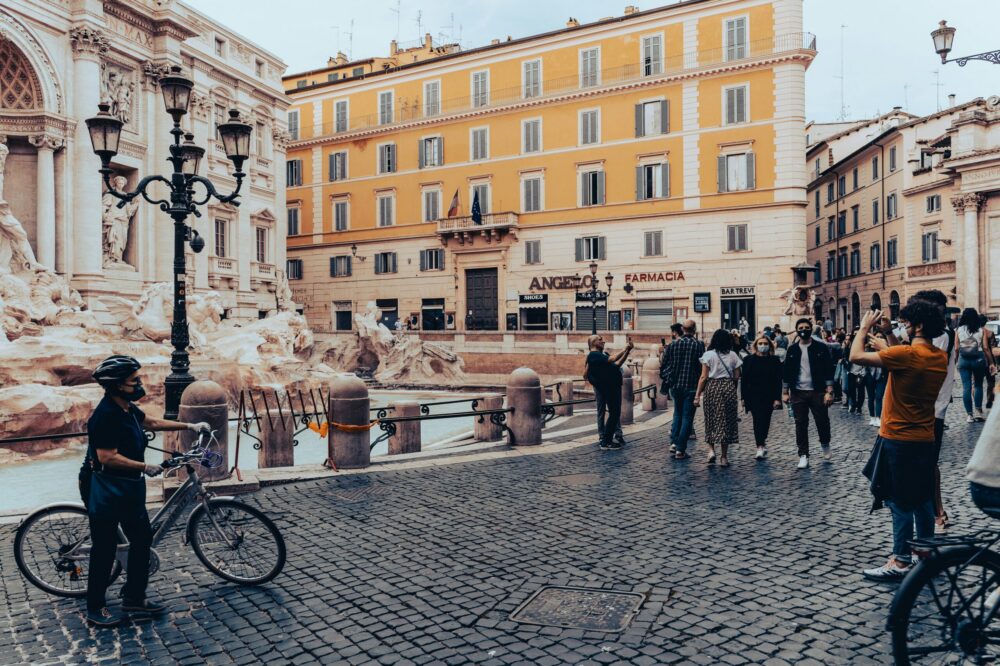
Photo by Daniel Gynn on Unsplash
Does the €35 monthly transport pass cover the metro and buses to the suburbs? I’ll be living outside the center.
The €35 student pass is valid for unlimited travel within the city (Comune di Roma). For suburbs, you may need a regional pass. Check ATAC’s website for zones.
The article says rent is €350–600. Is it cheaper to live in a university dormitory?
Yes, dorms (collegi) can be €250–€400 per month, but spots are limited and often require an application. Check with your university’s housing office or the regional agency for student housing (LazioDisco).
Is €350 per month for a shared apartment realistic? I’ve been looking on Subito.it and most rooms seem to be at least €400.
€350 is possible but usually in less central areas or older buildings. For a room in San Lorenzo or Pigneto, expect €400–€500. Always negotiate and check if utilities are included.
Aperitivo is a lifesaver! Which bars near universities offer the best deals?
Near Sapienza, try ‘San Lorenzo’ area bars like ‘Latteria’ or ‘Caffè Letterario’—aperitivo costs €8–€10 with a drink and buffet. In Trastevere, ‘Ombre Rosse’ is popular but pricier.
What about health insurance? I’m an EU student, do I still need extra coverage?
EU students can use the European Health Insurance Card (EHIC) for basic care. However, many students opt for private insurance (€30–50/month) for faster access and dental. Non-EU students usually need separate coverage.
I’m considering Trastevere but worried about noise. Is it worth the higher rent?
Trastevere is beautiful but very touristy and noisy at night. If you prioritize quiet, consider San Lorenzo or Testaccio—still lively but more student-friendly and cheaper.
Great breakdown! I’m moving to Rome next semester. Any tips for finding cheap groceries?
Shop at discount supermarkets like Lidl, Eurospin, or MD. Avoid small corner shops (alimentari) for basics. Also, visit local markets like Mercato di Testaccio for fresh produce at lower prices.