
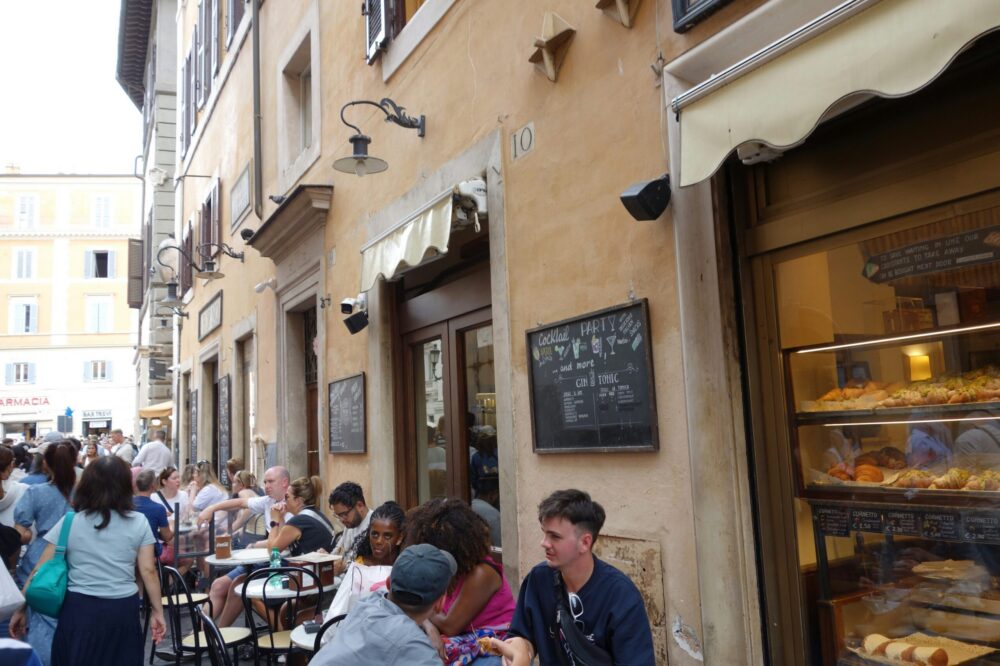
Finding student accommodation in Montpellier can feel overwhelming, especially if you’re new to the city or France. With over 70,000 students, Montpellier has a competitive rental market. This guide walks you through the entire process, from understanding housing types to signing a lease, so you can secure a place that fits your budget and lifestyle.
Table des matières:
Why Montpellier Is a Popular Student Destination
Montpellier is one of France’s most vibrant university cities, home to the University of Montpellier, Montpellier Business School, and several grandes écoles. The city’s Mediterranean climate, rich history, and lively student scene attract thousands of international students each year. However, high demand means you need to start your housing search early—ideally 2 to 3 months before your arrival.
Types of Student Accommodation in Montpellier
Understanding the different housing options will help you choose what suits your needs and budget. Here are the main types:
University Residences (CROUS)
CROUS manages public student residences across France. In Montpellier, CROUS offers affordable studios and shared apartments, but demand far exceeds supply. Rooms typically cost between €250 and €450 per month, including utilities. Apply early through the Dossier Social Étudiant (DSE) from January to April for the following academic year. International students may need to check eligibility via their home university or Campus France.
Private Student Residences
Companies like Nexity, Studéa, and Les Estudines operate private residences with furnished studios from €500 to €800 per month. These often include services like Wi-Fi, laundry, and gym access. They are a good option if you missed the CROUS deadline or want more independence. Most require a guarantor or a deposit.
Shared Apartments (Colocation)
Colocation is very popular in Montpellier, especially in neighborhoods like Écusson (historic center), Antigone, and Boutonnet. Rents for a room in a shared apartment range from €350 to €550 per month. Websites like Leboncoin, Seloger, and Appartager list colocations. Be prepared to provide a dossier with ID, proof of income or scholarship, and a guarantor.
Private Apartments
Renting a studio or one-bedroom apartment gives you full privacy but costs more—typically €550 to €900 per month. Studios are harder to find for short stays (less than a year), as landlords prefer long-term tenants. You’ll need a strong dossier, including a French guarantor or a bank guarantee.
Homestays (Chez l’Habitant)
Living with a French family can be a great way to improve your language skills and experience local culture. Prices range from €400 to €700 per month, often including meals. Agencies like France Homestay and Lingoo can help you find a host family.
Best Neighborhoods for Students in Montpellier
Choosing the right neighborhood affects your daily commute, social life, and budget. Here are the top areas:
- Écusson – The historic center, full of bars, restaurants, and shops. Lively but can be noisy and expensive. Ideal if you love being in the heart of the action.
- Antigone – Modern, well-planned area near the city center and tram lines. Popular with students and young professionals. Rents are moderate.
- Boutonnet – A residential area close to the university campuses. Quieter and more affordable, with a mix of studios and colocations.
- Port Marianne – Newer district along the Lez river, with modern apartments and green spaces. A bit more expensive, but great for those who prefer a calmer environment.
- Les Arceaux – Trendy area with a market, cafés, and a young vibe. Good for students who want a balance between city life and affordability.
How Much Does Student Accommodation Cost in Montpellier?
Rents vary by type and location. Below is a rough monthly cost breakdown:
| Accommodation Type | Price Range (€/month) | Utilities Usually Included? |
|---|---|---|
| CROUS room | 250–450 | Yes |
| Private residence studio | 500–800 | Sometimes |
| Shared apartment room | 350–550 | Often (except electricity) |
| Private studio | 550–900 | No |
| Homestay | 400–700 | Usually (meals may be extra) |
Note that utilities (electricity, water, internet) can add €50–€100 per month for private apartments. Also, you’ll need to pay a security deposit (usually one month’s rent) and possibly agency fees.
Step-by-Step Guide to Finding Accommodation
Follow these steps to streamline your search and avoid common pitfalls.
Step 1: Start Your Search Early
Begin looking at least 2–3 months before your move-in date. The peak season is July–September, when thousands of new students arrive. If you wait until the last minute, you may have to settle for a suboptimal place or pay higher prices.
Step 2: Prepare Your Dossier
French landlords typically require a thick dossier. Prepare these documents in advance:

- Copy of your passport or ID
- Proof of enrollment or acceptance letter
- Proof of income (scholarship, bank statements, or guarantor’s income)
- A French guarantor (someone with a French bank account and stable income) or a bank guarantee service like Garantme or Visale
- Previous landlord references (if any)
Visale is a free guarantee for students under 30, issued by Action Logement. It can replace a traditional guarantor. Apply online at visale.fr.
Step 3: Search on the Right Platforms
Use a mix of websites and local resources:
- Leboncoin – The most popular classifieds site in France. Be cautious of scams.
- Seloger – Reliable for private rentals and colocations.
- Appartager – Focused on shared apartments.
- Studapart – Specializes in student accommodation.
- CROUS – Apply via their portal if eligible.
- Facebook groups – Search “Colocation Montpellier” or “Logement étudiants Montpellier”.
Step 4: View the Property (In Person or Virtually)
Never send money without seeing the property first. If you’re abroad, ask a friend or use a virtual tour. Scams are common: if a deal seems too good to be true, it probably is. Avoid paying deposits via Western Union or MoneyGram.
Step 5: Sign the Lease and Move In
Once you’ve found a place, you’ll sign a contrat de location (lease). Typical lease duration is one year, but you may break it with a notice period of one to three months. Make an état des lieux (inventory of condition) when you move in and out to avoid deposit deductions.
Common Mistakes to Avoid
Many students make avoidable errors. Here’s what to watch out for:
- Waiting too long – Start your search early, especially for CROUS and private residences.
- Not having a guarantor – Without a French guarantor or Visale, many landlords will reject you. Arrange this in advance.
- Falling for scams – Never pay a deposit before seeing the apartment or signing a contract. Use secure payment methods.
- Ignoring the neighborhood – Check tram lines, grocery stores, and safety. A cheap apartment far from campus may cost you in time and transport.
- Skipping the état des lieux – This document protects your deposit. Take photos and note any damages.
Useful Resources and Tools
Leverage these tools to simplify your search:
- Visale – Free rental guarantee for students under 30.
- Garantme – Paid guarantor service for international students.
- CAF – Apply for housing assistance (APL) after signing a lease. You can receive up to €100–€200 per month if eligible.
- Montpellier Méditerranée Métropole – Official site with housing information.
- Campus France – Offers guidance for international students.
Frequently Asked Questions About Student Accommodation in Montpellier
Can I find student accommodation in Montpellier without a guarantor?
Yes, but it’s more difficult. You can use Visale (free for under 30) or a paid service like Garantme. Some private residences also accept a higher deposit (e.g., 2–3 months’ rent) instead of a guarantor.
How much is the housing assistance (APL) for students in Montpellier?
APL (Aide Personnalisée au Logement) varies based on rent, income, and housing type. Typically, students receive between €80 and €200 per month. Apply online at caf.fr after signing a lease.
Is it safe to use Leboncoin for finding accommodation?
Leboncoin is widely used but has scams. Only deal with verified landlords, never pay before visiting, and avoid wire transfers. Use the platform’s secure messaging and payment options when possible.
How long does it take to find a room in Montpellier?
If you start early (2–3 months before), you can find something within 2–4 weeks. During peak season (August–September), it may take longer due to high competition.
Can I get a short-term rental as a student?
Yes, but options are more limited. Some private residences offer short-term leases (3–6 months) at higher rates. Colocations may also accept short stays if you find a replacement. CROUS typically requires a full academic year.
What documents do I need to rent an apartment in Montpellier?
You’ll need a valid ID, proof of enrollment, proof of income or scholarship, a guarantor (or Visale certificate), and sometimes a bank reference. Landlords may also ask for a copy of your visa.
Next Steps: Secure Your Accommodation Now
Now that you have a clear roadmap, start your search today. Create your dossier, apply for Visale if needed, and browse listings on trusted platforms. If you’re arriving in Montpellier soon, consider booking temporary accommodation (like a hostel or Airbnb) for the first two weeks while you search in person. Good luck, and welcome to Montpellier!

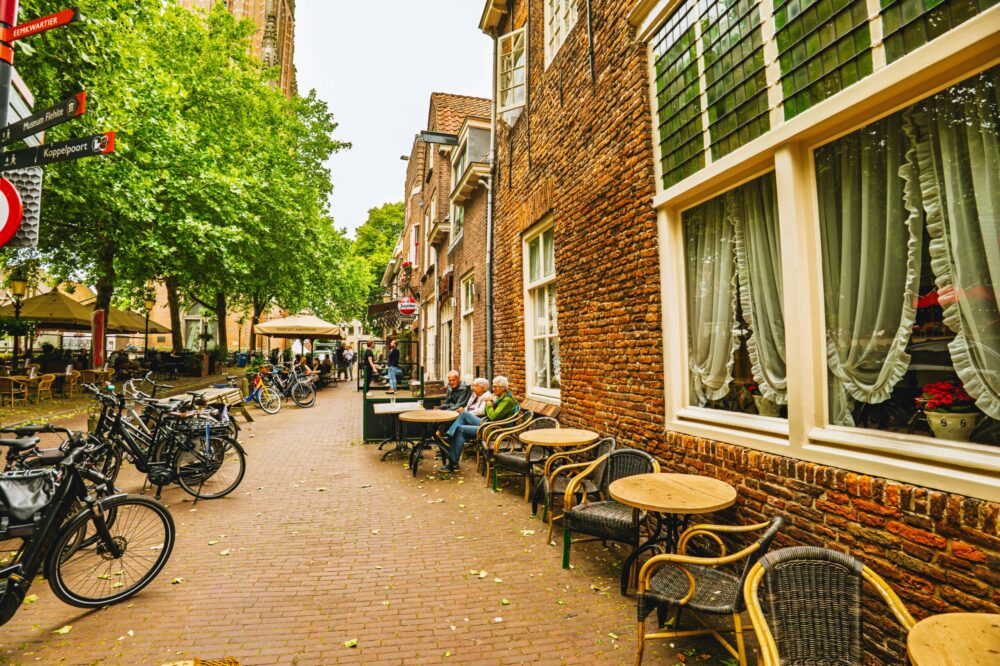

Thanks for the neighborhood tips! I’m considering Antigone. How is the commute to the University of Montpellier from there?
Antigone is well-connected! You can take tram line 1 directly to the university (stations like Universités des Sciences et des Lettres). The commute is about 15-20 minutes. It’s a modern area with plenty of shops and near the city center, so it’s a popular choice for students.
This is really helpful, thank you! I’m starting my search for next September. You mentioned the CROUS application is from January to April. Is that the same for international students, or do we have a different deadline?
Great question! International students should check with their home university or Campus France for specific deadlines. In many cases, you can apply through the DSE (Dossier Social Étudiant) during the same period, but some exchange programs have earlier dates. Always confirm directly with your institution.
I’m worried about finding a place without a French guarantor. Are there any options for international students who can’t provide one?
Yes, there are options! Private student residences often accept a bank deposit or a guarantee from services like Garantme or Visale (free for students under 30). Some landlords may also accept a larger deposit. For shared apartments, you might find more flexible tenants. Check the article’s section on private residences for more details.