

Table des matières:
Which French City Has the Best Public Transportation? A Comprehensive Comparison
France is renowned for its efficient and extensive public transportation networks. From the iconic Paris Metro to modern tram systems in regional capitals, each city offers a unique transit experience. But which French city truly has the best public transportation? This article compares major urban centers based on coverage, frequency, reliability, cost, and innovation to help you decide.
Paris: The Undisputed Champion of Metro Systems
Paris boasts one of the world’s oldest and most dense metro networks. With 16 lines, 302 stations, and over 200 kilometers of track, the Paris Metro is the backbone of the city’s transit. It operates from early morning until late night, with trains every 2-3 minutes during peak hours. The RER suburban trains extend connectivity to the greater Île-de-France region, making Paris a leader in integrated urban mobility.
Key Strengths of Paris Public Transport
- Unmatched coverage: Stations are never more than 500 meters apart in central Paris.
- High frequency: Short wait times even off-peak.
- Integrated ticketing: The Navigo pass works across metro, bus, tram, and RER.
- 24/7 service on weekends: Select lines run all night on Fridays and Saturdays.
- Accessibility improvements: Ongoing upgrades with elevators and tactile guidance.
However, the system can be overcrowded, and some stations lack elevators. Despite these drawbacks, Paris remains a top contender for best public transportation in France.
Lyon: The Model of Modern Efficiency
Lyon’s public transportation consistently ranks among the best in Europe. The TCL network includes four metro lines, seven tram lines, and an extensive bus network. Lyon was the first French city to introduce a fully automated metro line (Line D) and continues to innovate with driverless trains and real-time information systems.
Why Lyon Stands Out
- Punctuality: Over 95% of metro and tram services run on time.
- Cleanliness and safety: Modern, well-maintained stations and vehicles.
- Eco-friendly initiatives: Electric buses and tram lines powered by renewable energy.
- Affordable pricing: Reasonable fares and discounted passes for residents.
- User-friendly app: Real-time tracking, journey planning, and mobile ticketing.
Lyon’s system is particularly praised for its reliability and integration with cycling and car-sharing services. For many, Lyon offers the best public transportation in France when considering overall quality of service.
Marseille: A Mediterranean Network with Challenges
Marseille, the second-largest city in France, has a public transportation system that includes two metro lines, three tram lines, and a robust bus network. The RTM (Régie des Transports Métropolitains) serves the city and surrounding areas. While the metro is efficient and clean, coverage is limited compared to Paris or Lyon, and some areas remain underserved.
Marseille’s Public Transport Highlights
- Scenic tram routes: The tram connects key tourist spots and the Old Port.
- Boat services: Unique maritime shuttles to the Frioul Islands and Cassis.
- Recent investments: New metro trains and extended tram lines.
- Affordable single tickets: Low cost for short trips.
However, Marseille faces issues with frequency on some bus lines and lack of integration with regional rail. While not the best overall, it offers a decent option for visitors and residents.
Toulouse: The Aerospace City’s Growing Transit
Toulouse’s public transportation is dominated by the Tisséo network, which includes two metro lines (both automated), two tram lines, and an extensive bus network. The metro is known for its futuristic design and efficiency, with trains running every 90 seconds during peak hours. The city is expanding its network to accommodate growth.
Strengths of Toulouse Public Transport
- Fully automated metro: Driverless trains ensure high frequency and reliability.
- Good coverage of the city center: Stations within walking distance in most neighborhoods.
- Integration with regional trains: Easy transfers at key stations.
- Affordable monthly passes: Reasonable cost for unlimited travel.
Toulouse’s system is clean and modern, but the network is smaller than in Paris or Lyon. For a city of its size, it performs admirably.
Lille: Compact and Efficient
Lille’s public transportation is operated by Ilévia and includes two metro lines (one fully automated), two tram lines, and buses. The Lille Metro was the first in the world to use rubber-tyred technology and remains a model of efficiency. The network is compact but covers the city and its suburbs well.
Why Lille Deserves Consideration
- High frequency metro: Trains every 1-2 minutes during peak.
- Integrated ticketing: The Pass Pass card works across all modes.
- Good night service: Late-night buses on weekends.
- Bike-sharing integration: V’Lille stations at many metro stops.
Lille’s system is particularly praised for its simplicity and ease of use. For a smaller metropolis, it offers excellent value.
Other Notable Cities: Bordeaux, Strasbourg, and Nantes
Bordeaux has invested heavily in its tram network, which now includes four lines and covers the city extensively. The system is modern and reliable, with high-frequency service. Strasbourg boasts one of France’s most extensive tram networks, with six lines and excellent integration with regional trains. Nantes, the birthplace of the modern tram in France, has a well-regarded network that includes a unique Busway (high-level bus service).
Comparative Overview
- Bordeaux: Best for tram coverage and recent investments.
- Strasbourg: Excellent tram network with cross-border connections to Germany.
- Nantes: Pioneering tram and Busway, good for suburban connectivity.
These cities offer high-quality public transportation but may lack the density or frequency of larger networks.
Which French City Has the Best Public Transportation? The Verdict
Determining the best public transportation depends on your priorities. If you value density and 24/7 service, Paris is unmatched. For reliability, cleanliness, and innovation, Lyon takes the crown. For compact efficiency, Lille and Toulouse excel. For tram networks, Bordeaux and Strasbourg are top choices.
Overall, Lyon often emerges as the winner due to its balance of coverage, punctuality, modernity, and user experience. However, Paris remains the most extensive system in France. Visitors and residents alike can enjoy excellent public transportation in any of these cities.
Tips for Using Public Transportation in French Cities
- Purchase a multi-day pass for unlimited travel (e.g., Paris Visite, Lyon City Card).
- Download the local transit app for real-time schedules and route planning.
- Validate your ticket before boarding (failure to do so results in fines).
- Consider bike-sharing or e-scooters for short trips.
- Check for late-night services if you plan to stay out after midnight.
No matter which French city you choose, you’ll find a public transportation system that is efficient, safe, and easy to navigate. The best system is one that meets your specific needs, so consider your itinerary and preferences before deciding.
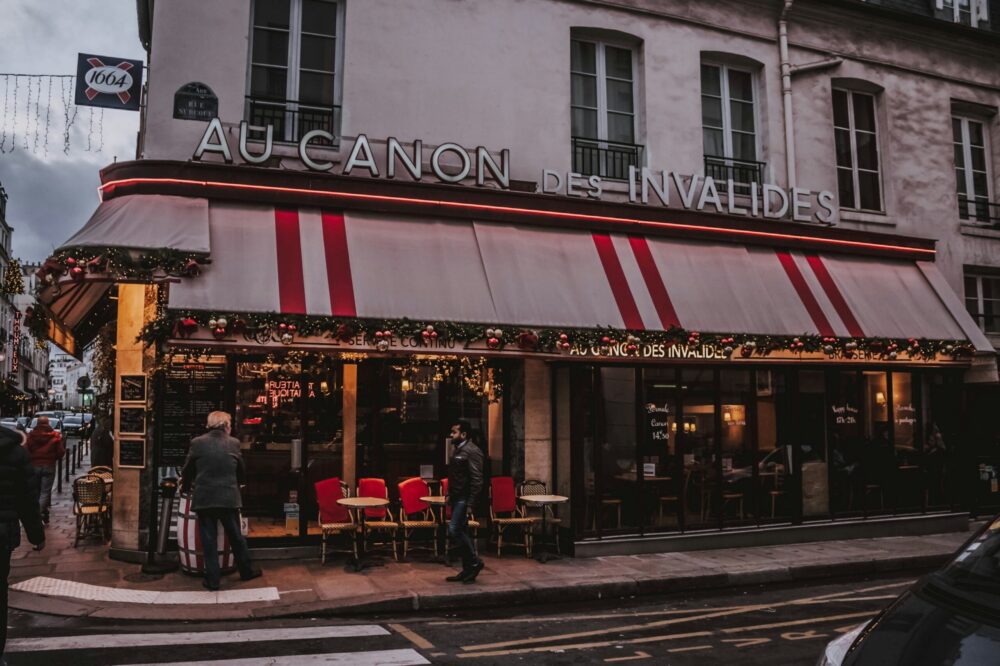
Photo by igorovsyannykov on Pixabay


I’ve lived in Lyon for three years and the public transport is incredibly reliable. Is there any city that rivals its punctuality?
Lyon is indeed one of the best for punctuality, but Paris also maintains high frequency, especially on metro lines. For overall reliability, Lyon often tops surveys.
What about smaller cities like Bordeaux or Strasbourg? Their trams are great too.
Good point! Bordeaux has a modern tram network and Strasbourg is known for its extensive tram system. This article focused on major cities, but those are definitely worth considering.
I found the Paris Metro confusing with all the RER lines. Any tips for first-time visitors?
Start with the metro map and use the Navigo pass. The RER is mainly for suburbs. Apps like Citymapper can help navigate transfers.
Is Marseille’s public transport good for tourists? I heard the metro is limited.
Marseille’s metro covers central areas and the tram is scenic, but some tourist spots like the Calanques require buses. It’s decent but not as comprehensive as Paris or Lyon.
How does Toulouse’s driverless metro compare with Lyon’s automated line?
Both are fully automated and reliable. Toulouse’s metro runs every 90 seconds peak, similar to Lyon’s Line D. Both are clean and efficient.
I’m moving to Lille. Is the public transport there good enough to go without a car?
Lille’s compact network is efficient for city travel. The metro, tram, and buses cover most areas. Many residents live car-free, especially if you live near a metro station.
What about cost? Which city offers the best value for monthly passes?
Lyon and Toulouse have affordable monthly passes. Paris is more expensive but offers extensive coverage. Lille also has reasonable rates. Compare specific pass prices online.
I think Paris has the best coverage, but the crowds are terrible. Which city is less crowded but still efficient?
Lyon and Toulouse offer efficient systems with less crowding than Paris. Lyon’s metro is modern and clean, and Toulouse’s driverless trains have good capacity.