
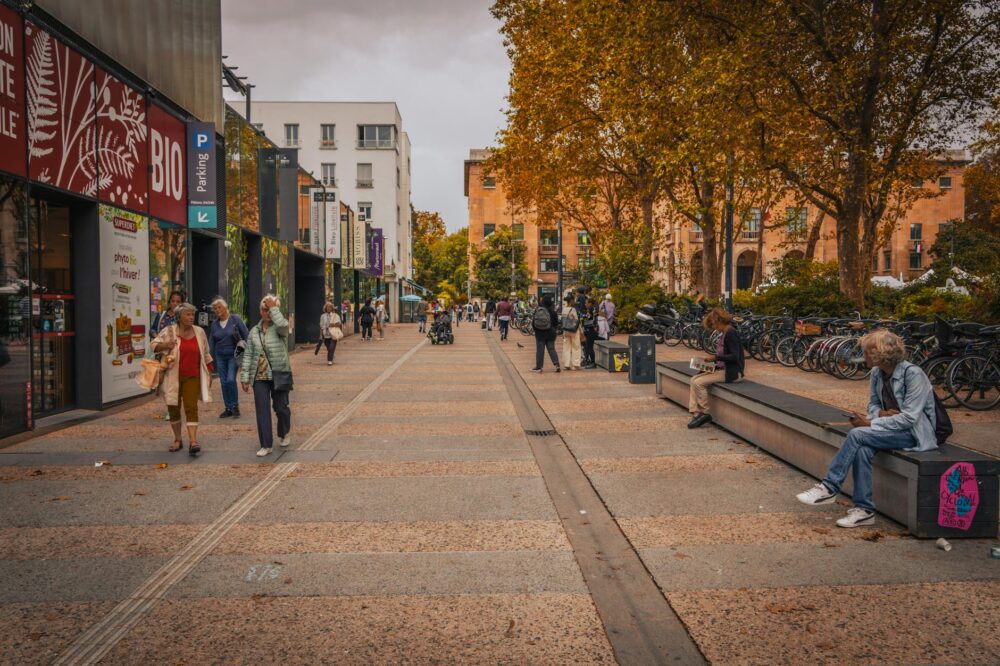
Planning a short break to the south of France? Wondering what to do in Toulouse in 3 days? This comprehensive itinerary covers the must-see sights, best local cuisine, and practical tips to make the most of your visit to the vibrant Pink City. From Romanesque architecture to modern aerospace wonders, Toulouse offers a rich blend of history, culture, and gastronomy. Follow this guide to experience the best of Toulouse in 72 hours.
Table des matières:
Day 1: Historic Center and Capitole
Start your Toulouse adventure in the heart of the city. The historic center is compact and walkable, perfect for a first-day exploration.
Morning: Place du Capitole and Capitole de Toulouse
Begin at the iconic Place du Capitole, the main square. Admire the neoclassical façade of the Capitole building, which houses the city hall and the Théâtre du Capitole. Inside, visit the Salle des Illustres, a grand hall adorned with paintings and sculptures. Don’t miss the chance to take photos with the Occitan cross on the square’s pavement.
Late Morning: Saint-Sernin Basilica
A short walk from the Capitole leads you to Saint-Sernin Basilica, a UNESCO World Heritage site and one of the largest Romanesque churches in Europe. Its octagonal bell tower and ornate interior are breathtaking. Climb the tower for panoramic views of the city.
Lunch: Rue du Taur and Local Specialties
For lunch, head to Rue du Taur or the nearby Place Saint-Georges. Try traditional dishes like cassoulet (bean stew with duck and sausage) or foie gras. Many bistros offer affordable lunch menus.
Afternoon: Jacobins Convent and Covered Market
Visit the Jacobins Convent, a stunning Gothic monastery with a remarkable palm-tree-shaped pillar. Then stroll to Marché Victor Hugo, a covered market where you can sample local cheeses, cured meats, and fresh produce. It’s a great spot for foodies.
Evening: Garonne River Banks
As dusk falls, walk along the Garonne River. Cross the Pont Neuf for beautiful views of the city lights. Many riverside bars and restaurants offer terrace seating. Enjoy a glass of local wine or a craft beer while watching the sunset.
Day 2: Aerospace and Modern Toulouse
Day two focuses on Toulouse’s role as the European aerospace capital. The city is home to Airbus and the renowned Cité de l’Espace.
Morning: Cité de l’Espace
Spend the morning at Cité de l’Espace, an interactive science museum dedicated to space exploration. Highlights include full-scale models of the Ariane 5 rocket, the Mir space station, and a planetarium. It’s educational and fun for all ages. Allow at least three hours.
Lunch: Aerospace Area
Grab lunch at the museum’s restaurant or nearby eateries. For a quick bite, try a garbure (hearty soup) or a salade toulousaine with duck gizzards.
Afternoon: Airbus Tour (optional)
If you’re an aviation enthusiast, book a tour of the Airbus Assembly Line in advance. See where A380 and A350 aircraft are built. The tour includes a visit to the A380 assembly hall and the outdoor display area. Note that photography is restricted.
Evening: Carmes District
Return to the city center and explore the Carmes district, known for its lively atmosphere and many restaurants. Enjoy dinner at a traditional auberge serving regional cuisine. Try magret de canard (duck breast) with a side of pommes sarladaises (garlic potatoes).
Day 3: Art, Culture, and Day Trip Options
Your final day offers choices: dive deeper into Toulouse’s art scene or take a short trip to nearby attractions.
Morning: Musée des Augustins
Start at Musée des Augustins, a fine arts museum housed in a former Augustinian monastery. Its collection spans from the Middle Ages to the 19th century, with works by Toulouse-Lautrec and other masters. The cloister garden is a peaceful retreat.
Late Morning: Les Abattoirs
For modern art lovers, Les Abattoirs is a contemporary art museum set in a former slaughterhouse. It features works by Picasso, Miró, and local artists. Check the schedule for temporary exhibitions.
Lunch: Saint-Cyprien District
Cross the river to the Saint-Cyprien district, known for its multicultural vibe and excellent food markets. Try a pain au chocolat at a boulangerie or a tarte aux pommes at a café.
Afternoon: Day Trip to Albi or Carcassonne
If time permits, take a half-day trip to Albi (about 1 hour by train) to see the stunning Sainte-Cécile Cathedral and Toulouse-Lautrec Museum. Alternatively, visit the fortified city of Carcassonne (also 1 hour by train), a UNESCO site with medieval ramparts. Both are easily accessible and offer a glimpse of the region’s history.
Evening: Last Taste of Toulouse
Return to Toulouse for a farewell dinner. Consider a cassoulet if you haven’t tried it yet, or opt for a lighter meal with local wine. Stroll through the Jardin des Plantes or the Jardin Japonais for a tranquil end to your trip.
Where to Stay in Toulouse
Choose accommodation based on your preferences:
- Historic Center (Capitole area): Best for sightseeing, with easy access to main attractions.
- Carmes: Lively nightlife and dining options.
- Saint-Cyprien: Quieter, with a local feel and good markets.
- Airport area: Convenient for early flights or Airbus tours.
Getting Around Toulouse
Toulouse has an efficient public transport system:
- Metro: Two lines (A and B) cover the city center and suburbs. Buy a day pass for unlimited travel.
- Bus: Extensive network, especially useful for reaching Cité de l’Espace.
- Tram: Lines T1 and T2 connect the city to the airport and Blagnac.
- Bike: VélôToulouse bike-sharing scheme is affordable and eco-friendly. Stations are everywhere.
- Walking: Most attractions in the city center are within walking distance.
Best Time to Visit Toulouse
The ideal times to visit are spring (April to June) and fall (September to October) when the weather is mild and crowds are smaller. Summer (July-August) can be hot, but the city comes alive with festivals. Winter is quieter and cheaper, though some attractions have reduced hours.
Local Food and Drink You Must Try
No trip to Toulouse is complete without sampling these specialties:
- Cassoulet: Hearty bean stew with duck confit, sausage, and pork.
- Foie gras: Rich duck or goose liver, often served as a starter.
- Magret de canard: Pan-seared duck breast, a local staple.
- Garbure: Thick soup with cabbage, beans, and preserved meats.
- Violette de Toulouse: Candied violets or violet-flavored treats.
- Wine: Try Fronton or Gaillac reds and rosés.
Hidden Gems in Toulouse
Explore beyond the main sights:
- Hôtel d’Assézat: A Renaissance mansion now hosting the Bemberg Foundation with art exhibitions.
- Jardin Japonais: A serene Japanese garden in the Compans-Caffarelli park.
- Quai de la Daurade: A picturesque riverside area with antique shops and cafés.
- Couvent des Jacobins Cloister: Quieter than the main convent, perfect for reflection.
Practical Tips for Your 3-Day Visit
- Book tickets in advance for Cité de l’Espace and Airbus tours to avoid long queues.
- Wear comfortable shoes as you’ll do a lot of walking.
- Learn a few French phrases – locals appreciate the effort.
- Check opening hours as some museums close on Mondays.
- Carry a reusable water bottle – tap water is safe.
With this itinerary, you now know exactly what to do in Toulouse in 3 days. The Pink City offers a perfect mix of history, culture, and modern innovation. Whether you’re exploring Romanesque basilicas, marveling at spacecraft, or savoring duck confit, Toulouse promises an unforgettable short break. Plan your trip today and discover why this southern French gem captivates every visitor.
Photo by Rafeeque Kodungookaran on Pexels


Est-ce que l’itinéraire est réalisable avec des enfants en bas âge ? Certaines activités comme la montée de la tour Saint-Sernin peuvent être fatigantes.
Bonjour, oui l’itinéraire peut être adapté pour des enfants. La montée de la tour Saint-Sernin est facultative. La Cité de l’Espace est très adaptée aux familles, et les marchés couverts comme Victor Hugo offrent des pauses faciles. Prévoyez simplement plus de temps pour les déplacements.
J’aimerais savoir s’il est possible de visiter le Musée des Augustins et les Abattoirs le même matin, ou est-ce trop chargé ?
Bonjour, c’est tout à fait possible si vous êtes un amateur d’art pressé. Les deux musées sont proches l’un de l’autre (environ 15 min à pied). Comptez 1h30 pour le Musée des Augustins et 1h pour les Abattoirs. Vous pouvez même déjeuner dans le quartier Saint-Cyprien ensuite.
Merci pour cet itinéraire complet. Une petite question : le marché Victor Hugo est-il ouvert tous les jours ?
Bonjour, le marché Victor Hugo est ouvert du mardi au dimanche, de 7h à 13h30. Il est fermé le lundi. Pour une expérience optimale, venez le matin pour profiter des produits frais et de l’ambiance animée.