Table des matières:
Introduction
Strasbourg, the capital of the Alsace region in northeastern France, enjoys a temperate oceanic climate with continental influences. If you are planning a trip or considering moving here, you might wonder: what is the weather like in Strasbourg? This comprehensive guide breaks down the city’s climate by season, including average temperatures, precipitation, and sunshine hours, so you can plan accordingly. Whether you are visiting the famous Christmas markets or exploring the European Quarter, knowing what to expect weather-wise will enhance your experience.
Strasbourg’s Climate Overview
Strasbourg experiences four distinct seasons, with warm summers and cold winters. The city is located in the Rhine Valley, which contributes to its relatively low rainfall compared to other parts of France. However, fog is common in autumn and winter due to the nearby rivers. On average, Strasbourg receives about 600 mm of precipitation annually, with the wettest months being May, June, and December.
Seasonal Temperature Averages
Understanding the average temperatures helps answer what is the weather like in Strasbourg during each season. Here is a quick overview:
- Spring (March–May): 5°C to 20°C (41°F–68°F)
- Summer (June–August): 15°C to 26°C (59°F–79°F)
- Autumn (September–November): 5°C to 20°C (41°F–68°F)
- Winter (December–February): -1°C to 6°C (30°F–43°F)
Spring in Strasbourg
Spring brings mild temperatures and blooming landscapes. March can still be chilly, with average highs around 11°C (52°F), but by May, temperatures reach a pleasant 20°C (68°F). Rainfall is moderate, so carrying an umbrella is wise. The city’s parks and gardens, such as the Orangerie Park, are perfect for a stroll as the flowers bloom.
What to Pack for Spring
Layered clothing is essential, as mornings and evenings can be cool. A light jacket, sweater, and waterproof shoes are recommended.
Summer in Strasbourg
Summers are warm and sometimes hot, with July and August averages around 26°C (79°F). However, heatwaves can push temperatures above 35°C (95°F). Thunderstorms are common in late afternoon, but they usually pass quickly. This is the best time for outdoor activities, such as boat tours on the Ill River or visiting the Alsatian vineyards.
Summer Activities and Weather Tips
The long daylight hours (up to 16 hours in June) allow for extended sightseeing. Sunscreen and a hat are advisable during peak heat. Evenings are generally pleasant, often dropping to 15°C (59°F).
Autumn in Strasbourg
Autumn starts mild in September, with averages around 20°C (68°F), gradually cooling to 5°C (41°F) by November. This season is known for its beautiful foliage, especially in the nearby Vosges mountains. Fog becomes more frequent, particularly in October and November, which can affect visibility. Rainfall is moderate, and the city hosts the famous Strasbourg Christmas market from late November, so expect some cold days.
Weather Challenges in Autumn
Fog can be dense in the mornings, so if you are driving, allow extra time. Layered clothing and a waterproof coat are recommended.
Winter in Strasbourg
Winters are cold, with average highs around 4°C (39°F) and lows often below freezing. Snowfall is possible but not heavy; the city averages about 30 cm of snow per year. The Christmas markets are the main attraction, and the cold weather adds to the festive atmosphere. However, if you are not a fan of cold, you might want to avoid January, the coldest month, with average lows of -1°C (30°F).
What to Wear in Winter
Heavy winter coats, scarves, gloves, and waterproof boots are essential. Thermal layers will help you stay comfortable while exploring the markets.
Best Time to Visit Strasbourg
The best time to visit Strasbourg depends on your preferences. For warm weather and outdoor activities, June to August is ideal. For festive charm, December is unbeatable, though cold. Spring and autumn offer mild weather and fewer crowds. If you want to avoid rain, the driest months are February and March, with only about 30 mm of precipitation each.
Monthly Weather Breakdown
Here is a quick reference for average high temperatures and rainfall:
- January: 4°C (39°F), 35 mm rain
- February: 6°C (43°F), 30 mm rain
- March: 11°C (52°F), 35 mm rain
- April: 16°C (61°F), 40 mm rain
- May: 20°C (68°F), 65 mm rain
- June: 24°C (75°F), 70 mm rain
- July: 26°C (79°F), 60 mm rain
- August: 26°C (79°F), 65 mm rain
- September: 21°C (70°F), 50 mm rain
- October: 15°C (59°F), 45 mm rain
- November: 8°C (46°F), 40 mm rain
- December: 4°C (39°F), 40 mm rain
Frequently Asked Questions About Strasbourg Weather
Does it rain a lot in Strasbourg?
No, Strasbourg is relatively dry compared to other French cities. Annual rainfall is around 600 mm, with the wettest months being May, June, and December. Snowfall is light, averaging 30 cm per year.
Is Strasbourg sunny?
Strasbourg enjoys about 1,700 hours of sunshine per year, which is moderate. Summer months have the most sun, while December is the gloomiest, with only about 40 hours of sunshine.
What is the weather like in Strasbourg in summer?
Summers are warm, with average highs of 26°C (79°F) in July and August. Heatwaves can occur, but thunderstorms are common. Evenings are pleasant.
What is the weather like in Strasbourg in winter?
Winters are cold, with average highs around 4°C (39°F) and lows below freezing. Snow is possible but not heavy. The Christmas markets are a highlight despite the cold.
Conclusion
Now you have a thorough answer to what is the weather like in Strasbourg? The city offers a classic four-season climate, with warm summers and cold winters. Spring and autumn are mild and pleasant, perfect for sightseeing without the crowds. Whether you are drawn by the Christmas markets or the summer festivals, understanding the weather will help you pack appropriately and make the most of your visit. Plan ahead, and enjoy your time in this beautiful Alsatian city!
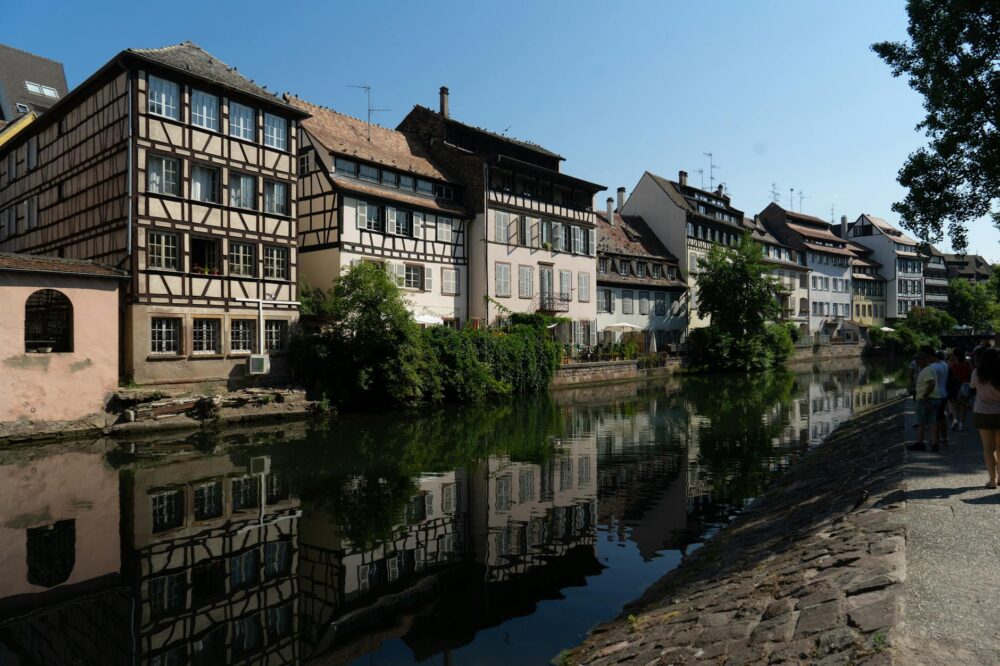
Photo by Deniz ŞENGÜL on Pexels