
Strasbourg, the capital of the Grand Est region in France, has evolved into a dynamic startup hub. With its strategic location at the heart of Europe, strong academic institutions, and supportive public policies, the city offers a fertile ground for entrepreneurs. But what exactly constitutes the startup ecosystem in Strasbourg? Let’s dive into the key components that make it unique.
Table des matières:
The Strasbourg Startup Landscape: An Overview
Strasbourg boasts over 400 startups, covering sectors like health tech, fintech, green tech, and artificial intelligence. The ecosystem is powered by a mix of incubators, accelerators, coworking spaces, and funding sources. The city’s cross-border location—adjacent to Germany and Switzerland—adds an international dimension, attracting talent and investors from across Europe.
Key Players in the Ecosystem
- Incubators and Accelerators: Semia, Alsace Tech, and the European Center for Innovative Enterprises (CEEI) provide mentorship and resources.
- Coworking Spaces: Spaces like La Plage, Le Shadok, and Cowork’in Strasbourg offer flexible workspaces and networking events.
- Educational Institutions: University of Strasbourg, EM Strasbourg Business School, and INSA Strasbourg produce skilled graduates and research talent.
- Funding Sources: Regional funds like Alsace Business Angels, Grand Est Invest, and public grants from Bpifrance support early-stage startups.
- Community Events: Meetups, hackathons, and the annual Strasbourg Startup Weekend foster collaboration.
Why Strasbourg? The Strategic Advantages
Strasbourg’s unique position offers several benefits for startups:
- Geographic Location: At the crossroads of France, Germany, and Switzerland, providing access to multiple markets.
- Multilingual Talent Pool: A workforce fluent in French, German, and English, ideal for international business.
- Cost of Living: Lower than Paris, allowing startups to stretch their runway.
- Quality of Life: A UNESCO World Heritage city with excellent public transport, green spaces, and cultural offerings.
- Government Support: Initiatives like the French Tech Visa and local tax incentives for innovative companies.
Comparison: Strasbourg vs. Other French Tech Hubs
| Feature | Strasbourg | Paris | Lyon |
|---|---|---|---|
| Average seed funding | €500K–€1M | €1M–€3M | €500K–€1.5M |
| Cost of living (monthly) | €800–€1,200 | €1,500–€2,500 | €900–€1,400 |
| Number of incubators | 10+ | 50+ | 20+ |
| International exposure | Very high (cross-border) | High | Moderate |
Key Resources for Entrepreneurs
Incubators and Accelerators
Semia is a leading incubator that has supported over 150 startups since 2001. It offers coaching, office space, and access to a network of mentors. Alsace Tech focuses on tech startups, providing prototyping labs and industry partnerships. CEEI specializes in cross-border projects, helping startups expand into Germany and Switzerland.
Coworking Spaces
La Plage is a popular coworking space in the city center, hosting regular networking events. Le Shadok combines coworking with a digital arts center, fostering creativity. Cowork’in Strasbourg offers affordable memberships for freelancers and small teams.
Funding Opportunities
- Alsace Business Angels: A network of private investors funding early-stage startups.
- Grand Est Invest: A regional investment fund providing equity and loans.
- Bpifrance: National public bank offering grants, loans, and innovation competitions.
- European Programs: Horizon Europe and Interreg grants for cross-border projects.
Success Stories from Strasbourg
Several startups have emerged from Strasbourg and achieved notable success:
- Lydia: A fintech company that started in Strasbourg and now serves millions of users across Europe with its payment app.
- Alkemics: A SaaS platform for retail data management, acquired by Salsify.
- Ouihelp: A home care services platform that raised significant funding and expanded nationwide.
These examples demonstrate that the startup ecosystem in Strasbourg can produce scalable, high-growth companies.
Challenges and How to Overcome Them


While promising, the ecosystem has its hurdles:
- Limited Late-Stage Funding: Series B and beyond are less available locally; startups often seek funding from Paris or abroad.
- Talent Retention: Some graduates move to larger cities. However, remote work is helping retain talent.
- Bureaucracy: French administrative processes can be slow. Using services like Guichet Unique can simplify company registration.
Mistake to avoid: Neglecting the cross-border opportunity. Many startups fail to leverage the proximity to Germany and Switzerland, missing out on potential customers and partners.
Practical Checklist for Starting a Startup in Strasbourg
- Validate your idea with local incubators (e.g., Semia).
- Choose a legal structure (SAS or SARL are common).
- Register your company via the official portal.
- Secure initial funding (grants, angel investors).
- Find coworking space (La Plage or Le Shadok).
- Build a network by attending events like Strasbourg Startup Weekend.
- Explore cross-border markets early.
- Hire from local universities (EM Strasbourg, INSA).
Frequently Asked Questions
What is the startup ecosystem in Strasbourg?
It’s the network of startups, investors, incubators, and support organizations that foster innovation and entrepreneurship in Strasbourg, France.
Is Strasbourg a good city for startups?
Yes, due to its strategic location, lower costs, strong academic base, and supportive ecosystem, though late-stage funding may require looking beyond the city.
How do I find funding for a startup in Strasbourg?
Apply to Alsace Business Angels, Grand Est Invest, Bpifrance grants, or European programs like Horizon Europe. Also, pitch at local events.
What industries are strong in Strasbourg’s startup scene?
Health tech, fintech, green tech, AI, and cross-border services are particularly prominent.
Are there English-speaking communities for entrepreneurs in Strasbourg?
Yes, many coworking spaces and events are bilingual. The French Tech Strasbourg group also organizes English-friendly meetups.
How does Strasbourg compare to Paris for startups?
Strasbourg offers lower costs and a more intimate community, while Paris provides larger funding rounds and a bigger market. Strasbourg is ideal for early-stage and cross-border ventures.
Your Next Steps in the Strasbourg Ecosystem
Whether you’re a local entrepreneur or considering relocating, the startup ecosystem in Strasbourg offers a supportive environment to launch and grow your venture. Begin by connecting with an incubator, attending a meetup, or exploring coworking spaces. The city’s unique cross-border advantage and quality of life make it an attractive alternative to larger tech hubs. Take the first step today—Strasbourg is ready for your innovation.
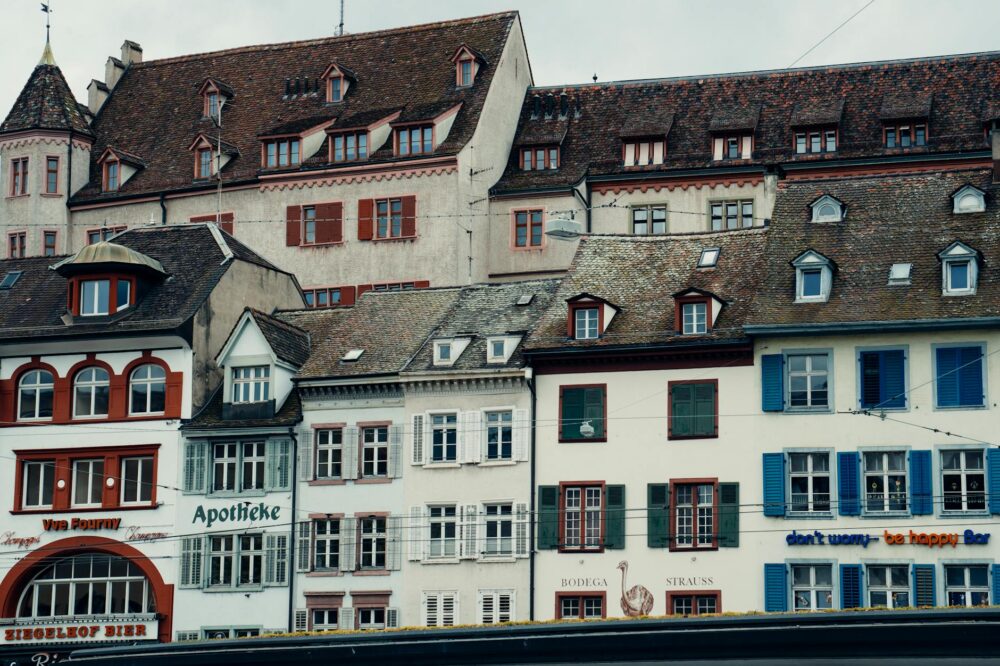
Photo by Christina & Peter on Pexels

I’m an early-stage founder in health tech. Are there any specific grants or funding programs in Strasbourg tailored to that sector?
Yes, there are several options. Bpifrance offers the ‘i-Lab’ and ‘i-PhD’ grants for innovative tech projects, including health tech. Regionally, Grand Est Invest provides co-financing for early-stage startups, and Alsace Business Angels has a health tech focus. Additionally, the European Institute of Innovation and Technology (EIT) Health runs programs in Strasbourg. It’s worth also exploring local bioclusters like Alsace BioValley for sector-specific support.
This is a great overview. I’m considering moving my startup from Paris to Strasbourg because of the lower cost of living. How does the availability of tech talent compare between the two cities?
Thanks for the question! Strasbourg benefits from a strong talent pipeline through institutions like the University of Strasbourg and EM Strasbourg Business School, producing around 5,000 STEM graduates annually. While Paris has a larger absolute pool, Strasbourg’s cross-border location also attracts German and Swiss talent, offering a multilingual advantage. The ecosystem is tight-knit, so networking can be more effective for finding specialized hires.
The article mentions Semia as a leading incubator. Do you know what sectors they focus on, and what is the application process like?
Semia supports startups across various sectors, with a strong emphasis on health tech, green tech, and digital innovation. Their application process typically involves submitting a business plan and pitch deck through their website, followed by an interview with their selection committee. They look for innovative projects with growth potential and a team commitment. For more details, check their official site or reach out to their team directly.