
Table des matières:
What Is the Pink City in France? The Answer Is Toulouse
If you’ve heard of the Pink City in France, you’re likely referring to Toulouse, a vibrant metropolis in the Occitanie region. The nickname “Pink City” (or Ville Rose in French) comes from the unique pale pink terracotta bricks used in many of its historic buildings. When sunlight hits these bricks, the entire city glows with a warm, pinkish hue – a sight that has captivated visitors for centuries.
But Toulouse is more than just a pretty face. It’s a hub of aerospace innovation, a gastronomic paradise, and a city steeped in history. In this guide, we’ll explore why Toulouse earned its rosy nickname, what to see and do, and how to make the most of your visit.
Why Is Toulouse Called the Pink City?
The nickname “Pink City” dates back to the 18th century, but the story begins much earlier. Toulouse has been a major city since Roman times, and its architecture reflects centuries of building with local materials. The region around Toulouse is rich in clay, which was fired into terracotta bricks – a cheap and durable building material. Over time, the city’s historic center became dominated by these pinkish bricks, especially after a devastating fire in 1463 led to a rebuilding boom using brick instead of wood.
The Science Behind the Color
The bricks get their distinctive pink color from the iron oxide content in the local clay. Depending on the light and weather, the bricks can appear salmon, rose, or even deep red. This ever-changing palette gives Toulouse a romantic, warm atmosphere that photographers love.
Top Attractions in the Pink City
Toulouse offers a mix of historical landmarks, modern museums, and lively public spaces. Here are the must-sees:
- Capitole de Toulouse – The city’s iconic town hall and theater, with a stunning neoclassical façade and a grand interior courtyard.
- Basilica of Saint-Sernin – A UNESCO World Heritage site and one of the largest Romanesque churches in Europe.
- Jacobins Convent – A Gothic masterpiece with a famous “palm tree” vaulted ceiling.
- Canal du Midi – A 17th-century canal perfect for boat trips or riverside walks.
- Cité de l’Espace – An interactive space museum celebrating Toulouse’s role as Europe’s aerospace capital.
Don’t miss a stroll along the Garonne River, especially at sunset when the pink bricks glow.
Exploring the Pink City’s Architecture
Toulouse’s architecture is a feast for the eyes. Beyond the pink bricks, you’ll find a blend of Romanesque, Gothic, and Renaissance styles.
Key Architectural Styles to Look For
- Romanesque – Seen in Saint-Sernin’s massive arches and thick walls.
- Gothic Méridional – A southern French style with wide naves and minimal flying buttresses, best seen in the Jacobins Convent.
- Renaissance – Elegant townhouses with ornate courtyards, like the Hôtel d’Assézat.
The best way to appreciate the architecture is to wander the narrow streets of the historic center, especially around Place du Capitole and the Saint-Étienne district.
Local Cuisine and Gastronomy
Toulouse is a food lover’s paradise. The region is known for hearty, flavorful dishes that pair perfectly with local wines.
Must-Try Dishes
- Cassoulet Toulousain – A slow-cooked casserole of white beans, duck confit, pork sausage, and lamb.
- Foie Gras – Rich duck or goose liver, often served as a starter.
- Confit de Canard – Duck leg cooked slowly in its own fat.
- Garbure – A thick soup with cabbage, beans, and preserved meats.
For dessert, try Fénétra, a local almond and fruit tart. Wash it all down with a glass of Madiran or Gaillac wine.
Practical Tips for Visiting the Pink City
Planning a trip to Toulouse? Here’s a checklist to help you prepare:
- Best time to visit: Spring (April–June) and autumn (September–October) for mild weather and fewer crowds.
- Getting there: Toulouse-Blagnac Airport is well-connected, and the TGV train from Paris takes about 4.5 hours.
- Getting around: The metro, tram, and bus system is efficient. The historic center is walkable.
- Accommodation: Stay in the city center (Capitole, Carmes, or Saint-Étienne) for easy access to sights.
- Local customs: Lunch is usually from 12–2 pm, and dinner starts around 8 pm. Tipping is not mandatory but appreciated.
Common Mistakes to Avoid When Visiting Toulouse
Even savvy travelers can slip up. Here are pitfalls to dodge:
- Overlooking the pink brick phenomenon: Don’t just see the buildings – notice how the light changes their color throughout the day.
- Skipping the local markets: Marché Victor Hugo and Marché des Carmes are perfect for tasting local produce and mingling with locals.
- Thinking it’s just a day trip: Toulouse deserves at least 2–3 days to explore its museums, neighborhoods, and nearby vineyards.
- Forgetting to book in advance: Popular restaurants and the Cité de l’Espace can sell out, especially in summer.
Comparing Toulouse with Other Pink Cities
While Toulouse is France’s most famous pink city, other places also boast pink architecture. Here’s a quick comparison:
| City | Country | Pink Source | Why Visit |
|---|---|---|---|
| Toulouse | France | Terracotta bricks | Rich history, aerospace, cuisine |
| Jaipur | India | Pink sandstone | Palaces, forts, vibrant culture |
| Marrakech | Morocco | Red sandstone | Souks, gardens, riads |
Each has its own charm, but Toulouse’s pink glow is uniquely tied to its brick heritage.
Frequently Asked Questions About the Pink City in France
Is Toulouse really pink?
Yes, the historic buildings are made of pinkish terracotta bricks, giving the city a rosy tint, especially in morning and evening light.
What is the best time to see the pink glow?
Sunset is ideal, as the low sun enhances the warm tones. Cloudy days can also make the pink more subtle but still visible.
Can you visit Toulouse in a day?
You can see the main sights in a day, but a weekend allows for a more relaxed pace and time to explore neighborhoods and local food.
What other nicknames does Toulouse have?
It’s also called “La Ville Rose” (Pink City) and “Cité de l’Espace” (Space City) due to its aerospace industry.
Is Toulouse expensive?
Compared to Paris, Toulouse is more affordable. Expect moderate prices for accommodation and dining, with good value for money.
How do you get from Paris to Toulouse?
The TGV train from Paris Montparnasse takes about 4.5 hours. Flights from Paris to Toulouse are about 1.5 hours.
Final Thoughts on the Pink City
Toulouse is a destination that rewards curious travelers. Its pink brick architecture creates a warm, inviting atmosphere that feels both historic and modern. Whether you’re exploring Romanesque churches, tasting cassoulet, or gazing at the stars at the Cité de l’Espace, the Pink City offers a rich, memorable experience. So pack your bags and discover why Toulouse is one of France’s most charming cities – and don’t forget to look up at those rosy bricks.
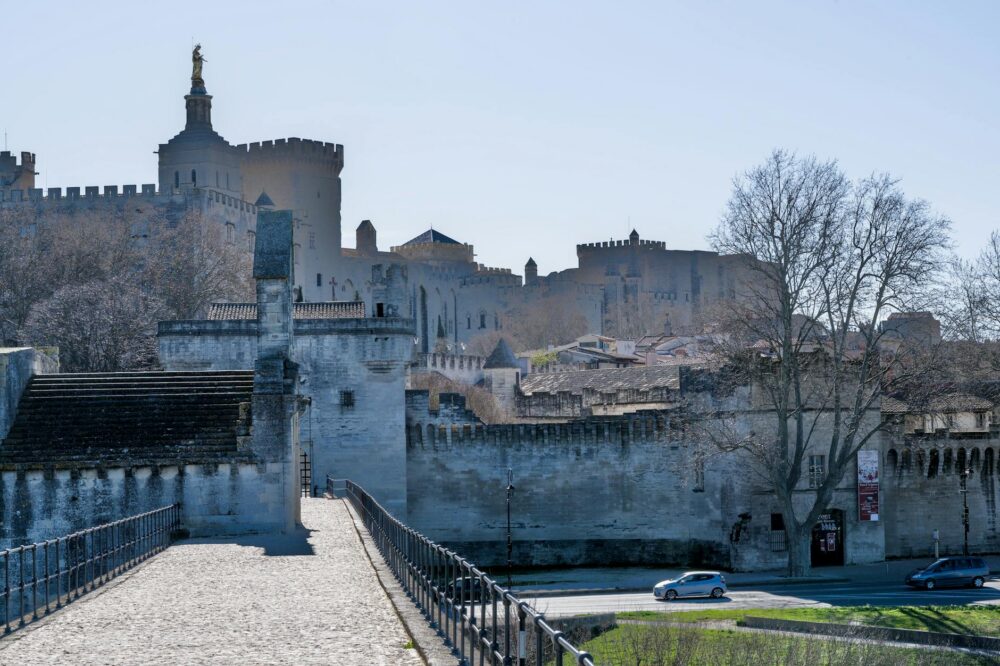
Photo by Regan Dsouza on Pexels
I’ve heard of the Pink City in France before, but I always thought it was in Provence. Thanks for clarifying that it’s Toulouse!
You’re welcome! Yes, it’s a common misconception. The nickname “Pink City” is firmly tied to Toulouse and its unique terracotta bricks.
Is the pink color really that noticeable in person, or is it more of a marketing thing?
It’s very noticeable, especially in the late afternoon when the sun hits the bricks. The color ranges from soft salmon to warm rose depending on the light.
What’s the best time of year to visit to see the pink glow at its best?
Spring and autumn offer pleasant weather and beautiful light. Sunset along the Garonne River is particularly stunning.
I’m planning a trip and wondering how many days I should spend in Toulouse to see the main pink city sights.
Two to three days is ideal. You can cover the Capitole, Saint-Sernin, Jacobins Convent, and still have time for a Canal du Midi stroll.
Are there any specific streets or viewpoints where the pink bricks are most photogenic?
Place du Capitole and the surrounding streets like Rue du Taur are great. Also, the banks of the Garonne near Pont Neuf offer lovely views.
Does the pink color fade over time, or do they maintain the buildings?
The bricks do weather, but the city regularly cleans and restores historic facades. Many buildings have been maintained for centuries, so the pink remains vibrant.
I’m interested in the aerospace aspect too. Is the Cité de l’Espace worth visiting?
Absolutely! It’s a fantastic interactive museum with full-size rockets and exhibits. Toulouse is Europe’s aerospace capital, so it’s a unique complement to the historic sights.
This article was really helpful. I had no idea the nickname dates back to the 18th century. Thanks!
Glad you found it useful! The history behind the nickname adds to the charm of exploring Toulouse.