
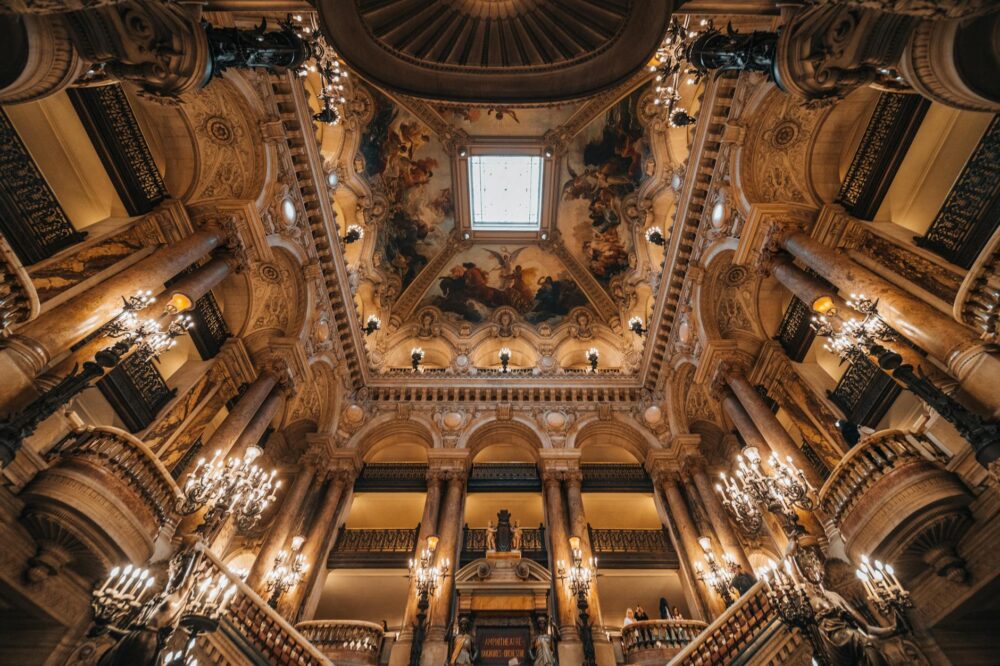
The Palais Rohan is one of Strasbourg’s most magnificent architectural treasures. This historic palace, located in the heart of the city, serves as a cultural hub and a testament to the opulence of the 18th century. But what is the Palais Rohan exactly? It is a former residence of the prince-bishops and cardinals of the House of Rohan, built between 1732 and 1742. Today, it houses three prestigious museums and stands as a masterpiece of Baroque and Classical architecture. In this article, we will explore its rich history, stunning design, and the invaluable collections it holds.
Table des matières:
The History of the Palais Rohan
Commissioned by Cardinal Armand-Gaston de Rohan-Soubise, the Palais Rohan was designed to reflect the power and prestige of the Rohan family, one of France’s most influential noble houses. The palace was constructed on the site of the former Bishop’s Palace, which was demolished to make way for this grand residence. Its location along the Ill River, near the Strasbourg Cathedral, was carefully chosen to emphasize its importance.
Royal and Princely Residents
The Palais Rohan hosted several notable figures over the centuries. It served as the residence of the prince-bishops of Strasbourg, who were also cardinals of the Catholic Church. Notably, it was the home of Cardinal de Rohan, who became infamous for his involvement in the Affair of the Diamond Necklace, a scandal that tarnished the reputation of Queen Marie Antoinette. The palace also welcomed French kings, including Louis XV and Marie Antoinette, as well as Emperor Napoleon I and his wife Joséphine.
From Royal Palace to Museum Complex
After the French Revolution, the Palais Rohan was repurposed. It served as a municipal building and later as a military hospital. In the 19th century, it was transformed into a museum complex, a role it continues to fulfill today. Since 1898, it has housed three major museums: the Museum of Fine Arts, the Archaeological Museum, and the Museum of Decorative Arts.
Architecture of the Palais Rohan
The architecture of the Palais Rohan is a stunning blend of French Baroque and Classical styles. Designed by architect Robert de Cotte, the palace features a symmetrical façade with grand windows, ornate sculptures, and a central pediment. The interior is equally impressive, with lavish rooms decorated with frescoes, tapestries, and gilded woodwork.
Key Architectural Features
- Façade: The main façade, facing the Ill River, is adorned with Corinthian columns and statues representing virtues and mythological figures.
- Courtyard of Honor: A large courtyard surrounded by arcades, used for ceremonial events.
- Grand Staircase: A monumental staircase with wrought-iron railings and a painted ceiling depicting the Apotheosis of Hercules.
- King’s Chamber: The opulent bedroom prepared for visiting monarchs, featuring silk wall coverings and a gilded bed.
- Synod Hall: A grand hall used for meetings and receptions, with a ceiling fresco by Pierre-Joseph Cazes.
The Museums of the Palais Rohan
Today, the Palais Rohan is home to three exceptional museums, each offering a unique perspective on art and history. What is the Palais Rohan without its collections? It is a treasure trove of cultural heritage.
Museum of Fine Arts
The Museum of Fine Arts boasts an impressive collection of European paintings from the 14th to the 19th centuries. Highlights include works by masters such as Raphael, Botticelli, Veronese, Rubens, Van Dyck, and Goya. The museum’s layout follows a chronological and thematic order, making it easy to explore the evolution of artistic styles.
Archaeological Museum
Located in the basement of the palace, the Archaeological Museum traces the history of Alsace from prehistoric times to the early Middle Ages. Its exhibits include artifacts from the Neolithic period, Bronze Age, Iron Age, Gallo-Roman era, and Merovingian period. Notable items include ancient pottery, tools, jewelry, and funerary objects.
Museum of Decorative Arts
Housed in the former state apartments of the cardinals, the Museum of Decorative Arts showcases exquisite furniture, ceramics, silverware, and tapestries from the 17th and 18th centuries. The rooms themselves are a highlight, with their original wood paneling, chandeliers, and stucco work. Visitors can admire the lavish lifestyle of the aristocracy.
Visiting the Palais Rohan
Planning a visit to the Palais Rohan? Here is everything you need to know.
Location and Hours
The Palais Rohan is located at 2 Place du Château, just a short walk from the Strasbourg Cathedral. It is open daily except Tuesdays, from 10:00 AM to 1:00 PM and 2:00 PM to 6:00 PM. Hours may vary on public holidays.
Ticket Information
You can purchase a combined ticket for all three museums or individual tickets. Discounts are available for students, seniors, and groups. Admission is free for visitors under 18 and for everyone on the first Sunday of each month.
What to See Nearby
- Strasbourg Cathedral: A masterpiece of Gothic architecture, just a few steps away.
- Rohan Palace Square: A charming square with cafes and shops.
- Ill River: Take a boat tour to see the palace from the water.
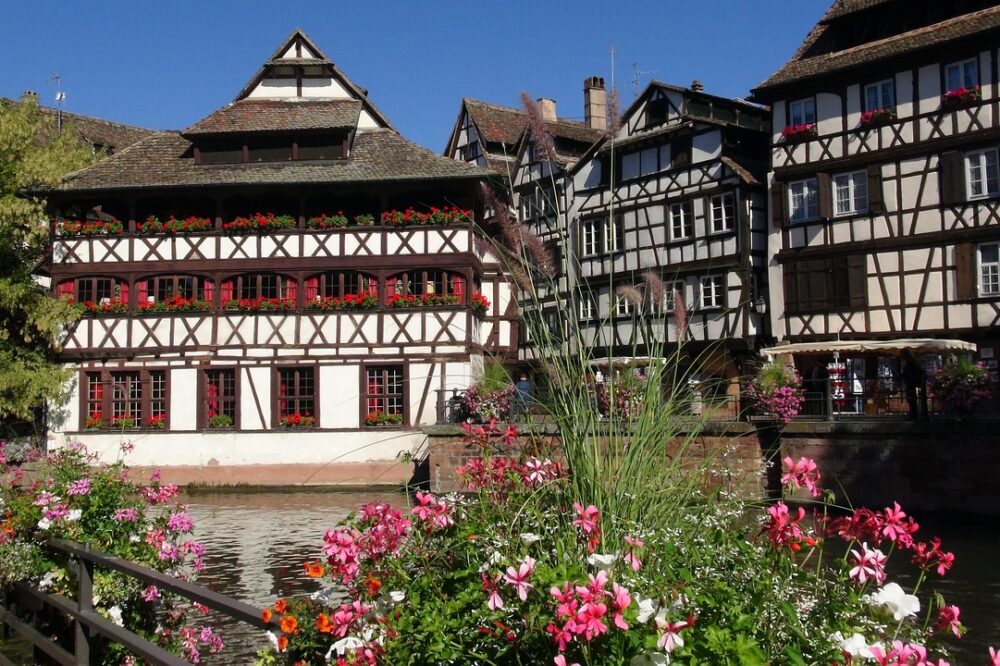
- Petite France: A picturesque historic district with half-timbered houses.
Why Visit the Palais Rohan?
The Palais Rohan is not just a museum; it is a journey through time. Its architecture reflects the grandeur of the 18th century, while its collections span millennia of human creativity. Whether you are an art lover, a history buff, or simply a curious traveler, the Palais Rohan offers a rich and rewarding experience. What is the Palais Rohan if not a window into the soul of Strasbourg?
Frequently Asked Questions
Can I take photos inside the Palais Rohan?
Photography is allowed in most areas, but flash and tripods are prohibited. Some temporary exhibitions may have restrictions.
Is the Palais Rohan wheelchair accessible?
Yes, the palace is partially accessible. The ground floor and some museum areas are wheelchair-friendly, but the upper floors may have limited access. Contact the museum in advance for specific assistance.
How long does a visit take?
Plan for at least two to three hours to explore all three museums thoroughly.
Conclusion
The Palais Rohan stands as a testament to Strasbourg’s rich history and cultural heritage. From its origins as a princely residence to its current role as a museum complex, it continues to captivate visitors from around the world. Understanding what is the Palais Rohan means appreciating its architectural beauty, its historical significance, and the priceless collections it houses. Whether you are drawn by art, archaeology, or decorative arts, the Palais Rohan promises an unforgettable experience. Plan your visit today and discover one of France’s most splendid palaces.
Photo by Masood Aslami on Pexels



I’m planning a trip to Strasbourg and the Palais Rohan sounds amazing. Can you visit all three museums with one ticket?
Yes, a single ticket grants access to all three museums (Fine Arts, Archaeological, Decorative Arts) in the Palais Rohan. It’s a great value for exploring the entire palace.
The article mentions the Affair of the Diamond Necklace. Was Cardinal de Rohan actually guilty?
Cardinal de Rohan was involved in the Affair of the Diamond Necklace, but he was largely a victim of manipulation. He was acquitted by the Parlement of Paris, though the scandal damaged his reputation.
How long should I set aside to see everything in the Palais Rohan?
We recommend at least 2–3 hours to tour all three museums and the palace’s historic rooms. Art lovers may want to allow more time, especially in the Museum of Fine Arts.
Is the Palais Rohan wheelchair accessible?
The ground floor and museums are accessible, but some historic rooms and the archaeological museum in the basement may have limited access. Contact the palace in advance for specific arrangements.
I love Baroque architecture. Are there guided tours that focus on the building itself?
Yes, guided tours are available and often highlight the architecture, including the façade, grand staircase, and King’s Chamber. Check the official website for schedules and languages offered.
What are the must-see artworks in the Museum of Fine Arts?
Don’t miss Raphael’s ‘The Virgin and Child with Saint John’, Botticelli’s ‘Madonna and Child’, and works by Rubens and Goya. The collection is well-curated with highlights clearly marked.
Is photography allowed inside the museums?
Photography without flash is generally permitted in the permanent collections, but some temporary exhibitions may restrict it. Always check signage or ask staff at each museum.
The article says the palace was built between 1732 and 1742. How long did it actually take to build?
Construction took about 10 years, from 1732 to 1742, under architect Robert de Cotte. The project was completed relatively quickly for such an ornate palace, thanks to the resources of the Rohan family.