

Table des matières:
What Exactly Is the Nice Carnival?
The Nice Carnival is an annual festival held in Nice, France, on the French Riviera. It is one of the largest and most famous carnivals in the world, alongside Rio de Janeiro and Venice. For over 700 years, this event has transformed the city into a vibrant spectacle of parades, flower battles, music, and street performances. The carnival typically takes place in February or March, culminating in the Mardi Gras celebrations. In short, the Nice Carnival is a multi-week extravaganza that showcases elaborate floats, giant papier-mâché figures, and thousands of fresh flowers, attracting over a million visitors each year.
The Rich History Behind the Carnival
The origins of the Nice Carnival date back to the 13th century, when the Count of Provence, Charles d’Anjou, mentioned spending time in Nice during the carnival season. By the 18th century, the event had become a grand affair with masked balls and street festivities. The first official parade was organized in 1873, and the tradition of the Flower Battle (Bataille de Fleurs) began in 1876. Since then, the carnival has evolved, surviving wars and economic changes, but always retaining its core elements of joy, creativity, and community.
Key Historical Milestones
- 1294 – First recorded mention of carnival festivities in Nice.
- 1873 – First official parade organized by the city.
- 1876 – Introduction of the Flower Battle.
- 1950s – Modernization with larger floats and international participation.
- 2000s – Designation as one of the world’s major carnivals.
When Does the Nice Carnival Take Place?
The carnival is held over two to three weeks, usually from mid-February to early March. The exact dates vary each year because they are tied to Mardi Gras (Shrove Tuesday), which depends on Easter. For example, in 2024, the carnival runs from February 17 to March 3. It’s advisable to check the official website for the current year’s schedule. The main events occur on weekends, but there are also weekday parades and activities.
Main Events and Highlights
The Nice Carnival features two main types of parades: the Carnival Parades (Carnavals) and the Flower Battles (Batailles de Fleurs). Each has its own unique charm.
Carnival Parades (Corso Carnavalesque)
These are the grand evening parades where giant floats, each with a theme, move through the streets of Nice. The floats are adorned with intricate papier-mâché figures, often satirical or fantastical. Hundreds of dancers, musicians, and performers accompany the floats, creating a lively atmosphere. The parade ends with the burning of the Carnival King, a symbolic figure representing the end of winter.
Flower Battles (Bataille de Fleurs)
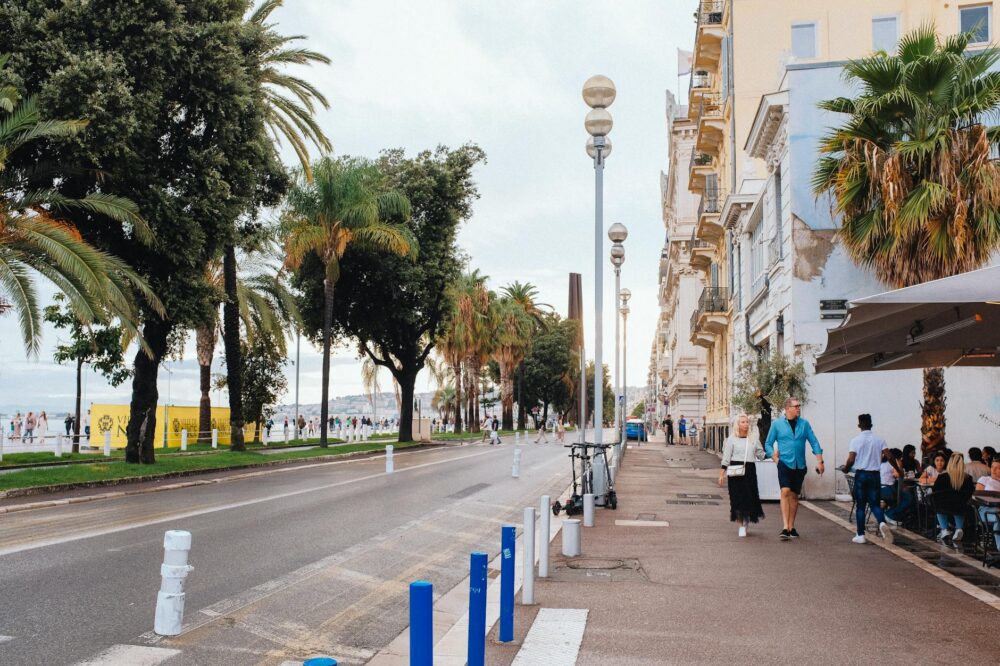
During the day, the Flower Battles take place. Floats covered in fresh flowers (like mimosa, roses, and carnations) parade along the Promenade des Anglais. Performers on the floats throw flowers to the crowd. It’s a colorful and fragrant experience, and catching a flower is considered good luck. Each battle uses about 20,000 stems of flowers.
Other Events
- King’s Parade – A daytime family-friendly parade.
- Night Parades – Illuminated floats with light shows and fireworks.
- Street Performances – Musicians, jugglers, and actors throughout the city.
- Masquerade Balls – Traditional costume parties (some require tickets).
How to Attend the Nice Carnival: Practical Tips
Planning a visit to the Nice Carnival requires some preparation. Here’s what you need to know.
Getting Tickets
You can buy tickets online in advance or at the box office. There are different seating options: grandstands (tribunes) along the parade route, or standing areas. Grandstand seats offer a guaranteed view and are recommended. Prices vary by event and location, typically ranging from €10 to €50 for a single event. Multi-event passes are available.
Best Places to Watch
- Place Masséna – The main square, where many parades start or end.
- Promenade des Anglais – The famous seaside boulevard, used for Flower Battles.
- Jardin Albert 1er – A park near the start of the parade route.
What to Wear
February in Nice can be chilly (around 10-15°C / 50-60°F), so bring a warm coat. Comfortable shoes are a must as you’ll be walking. For evening parades, consider a hat and gloves. Don’t forget a camera and perhaps a small bag for any flowers you catch.


Accommodation and Transport
Book hotels well in advance, as prices rise during carnival. Nice has excellent public transport (trams and buses). The airport (Nice Côte d’Azur) is served by international flights. Parking is limited, so using public transport is best.
Mistakes to Avoid When Visiting the Nice Carnival
- Not booking tickets early – Popular events sell out.
- Arriving late – Parades start on time, and latecomers may not get good spots.
- Wearing high heels – You’ll be on your feet for hours.
- Forgetting cash – Some vendors may not accept cards.
- Ignoring the weather – Check the forecast and dress accordingly.
- Overlooking the Flower Battles – They are a unique highlight.
Comparison: Nice Carnival vs. Other Major Carnivals
| Carnival | Key Features | Best For |
|---|---|---|
| Nice Carnival | Flower battles, elaborate floats, family-friendly | Elegant spectacle, floral beauty |
| Rio Carnival | Samba schools, massive street parties, vibrant costumes | High-energy dancing, nightlife |
| Venice Carnival | Masks, historical costumes, intimate ambiance | Mystery, tradition, photography |
| Notting Hill Carnival | Caribbean music, street food, community vibe | Multicultural experience, music |
Why the Nice Carnival Is a Must-See
The Nice Carnival offers a unique blend of artistry, tradition, and natural beauty. The flower battles are a sensory delight, unlike anything else. The setting on the French Riviera adds glamour, and the carnival’s long history gives it depth. Whether you’re a culture enthusiast, a photographer, or a family looking for fun, the Nice Carnival has something for everyone.
Frequently Asked Questions About the Nice Carnival
Is the Nice Carnival suitable for children?
Yes, the carnival is very family-friendly. Daytime parades and flower battles are especially enjoyable for kids. There are also dedicated children’s events.
Can I catch flowers during the Flower Battle?
Absolutely! The performers toss flowers to the audience. It’s a highlight of the event. Be ready to catch them, and you can keep them as souvenirs.
How long does the carnival last?
The carnival typically runs for about two to three weeks, with events almost every day. The main parades happen on weekends.
Do I need to speak French to enjoy the carnival?
No, the carnival is an international event. Announcements are often in French and English. Most staff and vendors speak basic English.
What happens if it rains?
Parades may be postponed or cancelled in severe weather. Check the official website for updates. Refunds are sometimes offered for cancelled events.
Is the carnival accessible for people with disabilities?
Yes, there are accessible viewing areas. It’s best to contact the carnival organizers in advance to arrange specific accommodations.
Your Next Steps: Plan Your Visit to the Nice Carnival
Now that you know what the Nice Carnival is, it’s time to start planning. Check the official website for this year’s dates and book your tickets early. Arrange accommodation and transport, pack for the weather, and prepare for an unforgettable experience. Whether you’re drawn by the flower battles, the giant floats, or the festive atmosphere, the Nice Carnival promises a memorable trip to the French Riviera.
Photo by igorovsyannykov on Pixabay



Thanks for the historical background! I didn’t know the Flower Battle started in 1876. Do they still use the same types of flowers?
You’re welcome! While the tradition continues, the flowers used today are sourced from the region and include mimosa, roses, carnations, and other seasonal blooms. The floats are covered in thousands of fresh flowers, making it a colorful and fragrant experience.
It says the carnival dates depend on Easter. Is there a general month it always falls in? I’m trying to plan a trip but don’t want to wait for exact dates.
Yes, the carnival typically takes place from mid-February to early March. For example, in 2024 it ran from February 17 to March 3. So you can generally plan for late February, but always check the official website for exact dates each year.
I’ve always wondered what makes the Nice Carnival different from other famous carnivals like Rio or Venice. Could you explain a bit more about what sets it apart?
Great question! The Nice Carnival is unique for its combination of grand evening parades with giant papier-mâché floats and daytime Flower Battles, where performers throw fresh flowers to the crowd. Unlike Rio’s samba focus or Venice’s masked elegance, Nice blends elaborate float artistry with floral displays along the French Riviera.