Table des matières:
Introduction
If you’re planning a trip to Amsterdam, one of the first practical questions you might ask is: what is the currency in Amsterdam? The answer is straightforward: the official currency in Amsterdam, and throughout the Netherlands, is the Euro (€). As a member of the European Union and the Eurozone, the Netherlands adopted the Euro in 2002, replacing the Dutch guilder. In this comprehensive guide, we’ll cover everything you need to know about using money in Amsterdam, from exchange rates and payment methods to tipping etiquette and ATM safety. Whether you’re a first-time visitor or a seasoned traveler, understanding the local currency will help you navigate the city with confidence.
What is the Currency in Amsterdam? The Euro Explained
The Euro (symbol: €, code: EUR) is the official currency used in Amsterdam and throughout the Netherlands. It is one of the most widely traded currencies in the world. The Euro is divided into 100 cents, and coins come in denominations of 1, 2, 5, 10, 20, and 50 cents, as well as €1 and €2 coins. Banknotes are available in €5, €10, €20, €50, €100, €200, and €500, though the larger notes are rarely used in daily transactions.
History of the Euro in the Netherlands
Before the Euro, the Netherlands used the Dutch guilder (NLG). The transition to the Euro began in 1999 for electronic transactions, and physical Euro coins and banknotes were introduced on January 1, 2002. The guilder was completely phased out by early 2002. Today, the Euro is deeply integrated into the Dutch economy, and all prices in Amsterdam are displayed in Euros.
Using Cash in Amsterdam
While Amsterdam is a modern, cashless-friendly city, cash is still accepted, especially in smaller shops, markets, and some restaurants. However, many establishments prefer card payments. Here are some tips for using cash:
- ATMs (Geldautomaten): Widely available throughout the city. Look for ATMs affiliated with major banks like ABN AMRO, ING, or Rabobank to avoid high fees. Avoid standalone ATMs in tourist areas, as they often charge excessive fees.
- Currency Exchange: It’s best to exchange money at banks or official exchange offices (GWK Travelex). Avoid exchange bureaus at the airport or tourist hotspots, as they offer poor rates. Better yet, withdraw Euros directly from an ATM using your debit or credit card.
- What to Expect: Most businesses will accept cash, but you may encounter a “pin only” (card only) policy at some cafes and shops. Always carry a small amount of cash for emergencies or small purchases.
Card Payments in Amsterdam
Debit and credit cards are widely accepted in Amsterdam. The most common cards are Maestro and V Pay (European debit cards), but Visa and Mastercard are also accepted at most places. American Express is less common but accepted in larger hotels and upscale restaurants. Contactless payments are very popular, and you can use your phone or contactless card for transactions up to €50 without a PIN.
Tips for Using Cards
- Notify Your Bank: Inform your bank of your travel plans to avoid your card being blocked for suspicious activity.
- Dynamic Currency Conversion (DCC): When paying by card, you may be offered to pay in your home currency. Always choose to pay in Euros to avoid unfavorable exchange rates and extra fees.
- Fees: Check with your bank about foreign transaction fees and ATM withdrawal charges. Some cards offer fee-free international transactions.
Exchange Rates and Currency Conversion
The exchange rate between the Euro and other currencies fluctuates daily. As of [current date], 1 Euro is approximately [insert approximate rate] USD/GBP/etc. To get the best rates:
- Use online currency converters like XE.com or OANDA to check current rates.
- Avoid exchanging money at airports, hotels, or tourist areas, as they typically offer poor rates and high commissions.
- Use ATMs for cash withdrawals, as they usually provide the mid-market exchange rate with only a small fee.
Budgeting for Amsterdam
Amsterdam can be an expensive city, but with careful planning, you can manage your budget. Here are some average costs to help you estimate:
- Meals: A budget meal (fast food) €10-15; mid-range restaurant €20-40 per person; fine dining €60+.
- Transportation: Single tram/bus ticket €3.20; 24-hour pass €8.50; bike rental €10-15 per day.
- Accommodation: Hostel dorm bed €30-50; budget hotel €80-150; luxury hotel €200+.
- Attractions: Rijksmuseum €20; Anne Frank House €16; canal cruise €15-25.
Always carry some cash for small purchases, but rely on cards for larger expenses.
Tipping in Amsterdam
Tipping in Amsterdam is not mandatory but is appreciated for good service. In restaurants, a service charge is often included in the bill, but it’s common to round up or leave 5-10% extra. For cafes, bartenders, and taxi drivers, rounding up to the nearest Euro is sufficient. Hotel porters and housekeeping may be tipped €1-2 per bag or per night.
Safety Tips for Handling Money
Amsterdam is generally safe, but like any major city, it has its share of pickpockets, especially in crowded areas like the Red Light District, Central Station, and trams. Here are some precautions:
- Use a money belt or hidden pouch for large amounts of cash.
- Keep your wallet in a front pocket or a secure bag.
- Avoid displaying large amounts of cash in public.
- Use hotel safes for valuables.
- Be cautious when using ATMs at night or in isolated areas.
Frequently Asked Questions About Currency in Amsterdam
Can I use US dollars in Amsterdam?
No, US dollars are not accepted. You must exchange them for Euros or use a credit card.
Is it better to use cash or card in Amsterdam?
Cards are widely accepted, but it’s wise to carry some cash for small purchases and places that are cash-only. Most locals prefer cards.
Where can I exchange currency in Amsterdam?
Banks, official exchange offices (GWK Travelex), and ATMs are your best options. Avoid exchange bureaus with high fees.
What is the currency symbol in Amsterdam?
The Euro symbol is €.
Conclusion
Now you know the answer to what is the currency in Amsterdam? The Euro is the sole official currency, and the city is well-equipped for both cash and card users. By understanding exchange rates, payment methods, and tipping etiquette, you’ll be able to manage your finances smoothly during your visit. Remember to carry a mix of cash and cards, notify your bank, and always choose to pay in Euros when given the option. Enjoy your trip to Amsterdam—a city of canals, culture, and commerce!
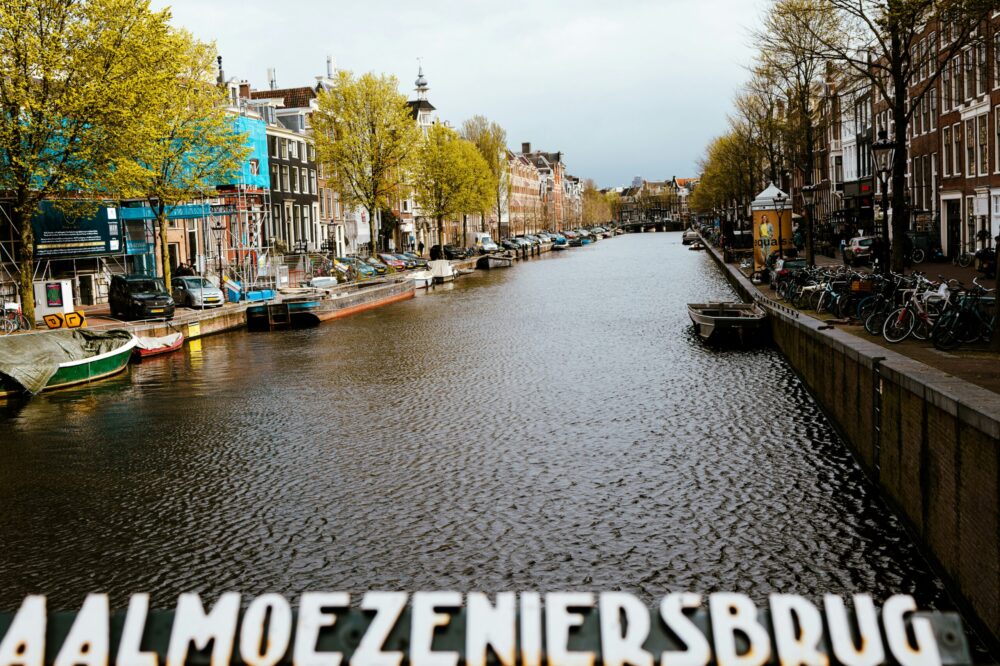
Photo by Rita Candeias on Unsplash