Table des matières:
Introduction to the Route des Vins d’Alsace
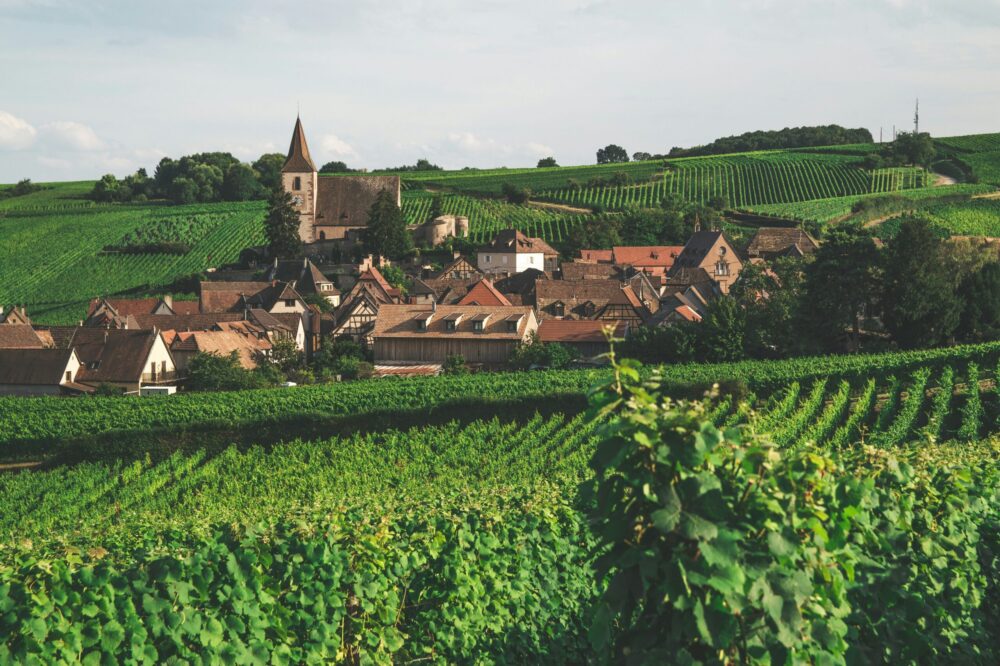
The Route des Vins d’Alsace (Alsace Wine Route) is one of France’s most famous and picturesque wine routes, stretching approximately 170 kilometers (105 miles) from Marlenheim in the north to Thann in the south. Winding through the foothills of the Vosges Mountains, this iconic route passes through charming medieval villages, lush vineyards, and historic towns, offering visitors a unique blend of wine culture, gastronomy, and stunning landscapes. Whether you are a wine enthusiast, a history buff, or simply a traveler seeking beauty, the Route des Vins d’Alsace promises an unforgettable experience.
History of the Route des Vins d’Alsace
The Route des Vins d’Alsace was officially created in 1953, making it one of the oldest wine routes in France. However, the winemaking tradition in Alsace dates back to Roman times. Over centuries, the region developed a distinct viticultural identity, influenced by both French and German cultures. The route was designed to connect the major wine-producing villages and towns, promoting tourism and the local wine industry. Today, it is a symbol of Alsatian heritage and a must-visit destination for wine lovers worldwide.
Geography and Terroir of the Alsace Wine Route
The Route des Vins d’Alsace runs along the eastern slopes of the Vosges Mountains, benefiting from a unique microclimate. The Vosges protect the vineyards from westerly winds and rain, creating one of the driest and sunniest regions in France. The soils are diverse, ranging from granite and sandstone to limestone and marl, which contribute to the complexity of Alsatian wines. The route passes through the Bas-Rhin and Haut-Rhin departments, each with its own sub-regions and wine styles.
Key Grape Varieties of Alsace
Alsace is renowned for its aromatic white wines, often bottled in tall, slender green or brown bottles. The main grape varieties include:
- Riesling – The king of Alsace wines, known for its elegance and minerality.
- Gewürztraminer – Aromatic and spicy, with notes of lychee and rose.
- Pinot Gris – Rich and full-bodied, often with honeyed flavors.
- Pinot Blanc – Light and fruity, perfect for everyday drinking.
- Muscat – Floral and grapey, typically dry or off-dry.
- Sylvaner – Fresh and crisp, a classic pairing with local cuisine.
- Pinot Noir – The only red grape in Alsace, producing light, fruity reds and rosés.
Top Villages and Towns Along the Route des Vins d’Alsace
The route is dotted with picturesque villages that seem straight out of a fairy tale. Here are some must-visit stops:
Marlenheim
As the northern gateway, Marlenheim marks the start of the route. It is known for its vineyards and the annual Fête du Vin Nouveau.
Obernai
A charming town with a well-preserved medieval center, half-timbered houses, and a lively market. Obernai is also a hub for wine tasting.
Barr
Surrounded by vineyards, Barr is famous for its wine cellars and the Maison du Vin, where visitors can learn about Alsace wines.
Andlau
This village boasts a beautiful Romanesque church and several renowned wineries. The surrounding hills are home to grand cru vineyards.
Dambach-la-Ville
A medieval fortified village with three grand cru vineyards: Frankstein, Altenberg, and Moenchberg. Its narrow streets and stone houses are a delight to explore.
Ribeauvillé
Set against a backdrop of vineyards and mountains, Ribeauvillé is known for its three castles and excellent wines. It is also a great base for hiking.
Riquewihr
Often called the most beautiful village in Alsace, Riquewihr is a gem of medieval architecture. Its vineyards produce some of the finest Rieslings and Gewürztraminers.
Kaysersberg
With its half-timbered houses and imposing castle, Kaysersberg is a favorite among photographers. The village is also a producer of high-quality wines.
Colmar
The capital of Alsatian wines, Colmar is a vibrant town with a well-preserved old quarter, canals, and numerous winstubs (wine taverns). It is a perfect stop for wine lovers.
Eguisheim
A circular village with concentric streets, Eguisheim is another contender for the title of most beautiful village. It is surrounded by grand cru vineyards and has a lively wine scene.
Turckheim
Known for its three gates and medieval walls, Turckheim is a peaceful village with excellent wines and a welcoming atmosphere.
Thann
The southern terminus of the route, Thann is famous for its Gothic church and the legend of the holy wrist. It marks the end of the journey.
Wine Tasting and Cellar Visits
One of the main attractions of the Route des Vins d’Alsace is the opportunity to taste wines directly from the producers. Many wineries offer free or paid tastings, and some have cellars open for tours. The region is also known for its grand cru vineyards, which are classified as the best plots. There are 51 grand crus in Alsace, each with its own character. Visitors can purchase bottles directly from the estates, often at better prices than in stores.
Best Time to Visit the Alsace Wine Route
The route is beautiful year-round, but the best times are spring (April to June) and autumn (September to October). Spring brings mild weather and blooming vineyards, while autumn is harvest season, with many wine festivals. Summer can be crowded, but the long daylight hours are ideal for exploring. Winter offers a magical atmosphere, especially during Christmas markets.
Gastronomy and Local Specialties
Alsace is a gastronomic paradise, and the wine route is lined with restaurants serving traditional dishes. Must-try foods include:
- Choucroute garnie – Sauerkraut with sausages, pork, and potatoes.
- Tarte flambée (Flammekueche) – A thin, crispy pizza-like dish topped with crème fraîche, onions, and bacon.
- Baeckeoffe – A slow-cooked casserole of meat and vegetables marinated in white wine.
- Munster cheese – A strong, creamy cheese that pairs perfectly with Gewürztraminer.
- Kougelhopf – A sweet, yeasted cake often studded with raisins and almonds.
Pair these dishes with the local wines for an authentic Alsatian experience.
How to Travel the Route des Vins d’Alsace
The route is well-marked with brown signs showing a wine glass. You can explore it by car, bicycle, or even on foot. Many visitors choose to drive, as it allows flexibility to stop at any village. Cycling is also popular, with dedicated bike paths along parts of the route. Guided tours are available from major cities like Strasbourg and Colmar.
Tips for Visiting the Alsace Wine Route
- Plan at least 3 to 5 days to fully enjoy the route without rushing.
- Book accommodations in advance, especially during peak season.
- Don’t drink and drive – use designated drivers or take a tour.
- Learn a few French phrases; while English is spoken in tourist areas, locals appreciate the effort.
- Visit the Maison du Vin in each village for information and tastings.
Conclusion
The Route des Vins d’Alsace is more than just a wine trail; it is a journey through history, culture, and breathtaking scenery. From the first sip of Riesling in Marlenheim to the final stop in Thann, every moment offers discovery and delight. Whether you are a seasoned oenophile or a casual traveler, this route will leave you with lasting memories and a deeper appreciation for Alsace’s liquid gold. So, pack your bags, hit the road, and let the wines of Alsace guide you.
Photo by Armands Brants on Unsplash