Table des matières:
Introduction
Nestled in the heart of Strasbourg, France, the Petite France district is one of the most picturesque and historically rich neighborhoods in Europe. Known for its half-timbered houses, winding canals, and cobblestone streets, this area attracts millions of visitors each year. But what exactly is the Petite France district? In this comprehensive guide, we will explore its origins, architecture, cultural significance, and must-see attractions. Whether you are planning a trip or simply curious about this UNESCO World Heritage site, this article will provide all the information you need.
What is the Petite France District?
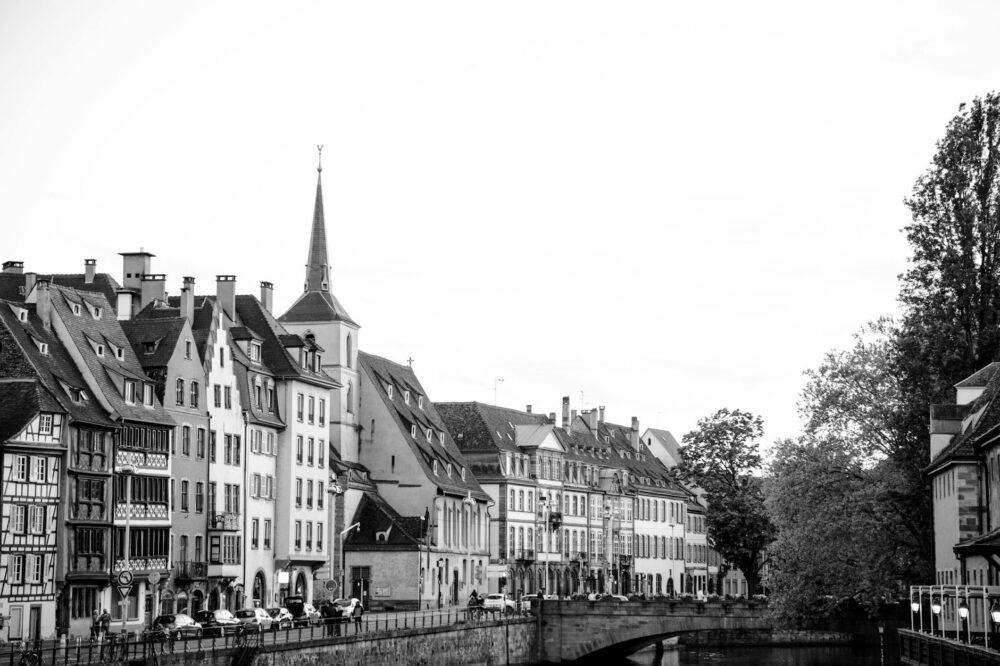
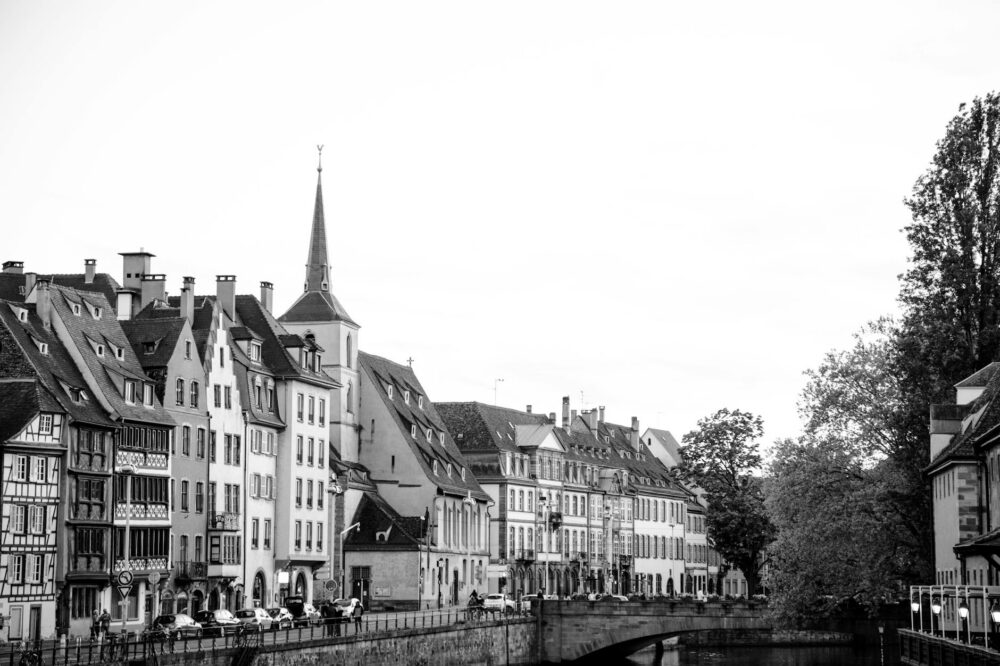
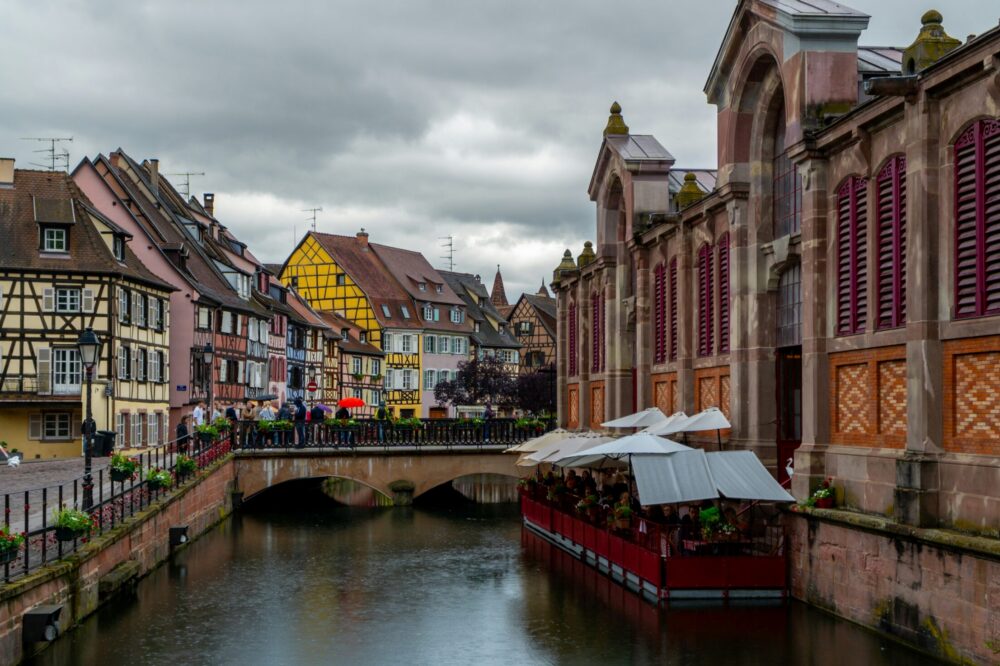
The Petite France district (French: La Petite France) is a historic quarter located in the Grande Île of Strasbourg, France. It is part of the UNESCO World Heritage site that encompasses the entire historic center of Strasbourg. The district is famous for its well-preserved medieval and Renaissance architecture, particularly its half-timbered houses with steep roofs, ornate windows, and colorful facades. The area is crisscrossed by canals and bridges, earning it the nickname “Little Venice” of Alsace. Petite France is not just a tourist attraction; it is a living neighborhood with shops, restaurants, and residential buildings that reflect the rich cultural heritage of the region.
History of Petite France
Origins in the Middle Ages
The name “Petite France” dates back to the 15th century. Originally, the area was home to tanners, millers, and fishermen who used the canals for their trades. The district was built on several islands formed by the Ill River, which made it ideal for water-dependent industries. The tanners, in particular, left a lasting mark on the architecture, as their workshops and drying lofts are still visible in the steep roofs and open attics of the houses.
Renaissance and Modern Times
During the Renaissance, Petite France flourished as a center of commerce and craftsmanship. The half-timbered houses were built with intricate designs, reflecting the prosperity of the era. In the 19th and 20th centuries, the district faced decline and was even threatened with demolition. However, preservation efforts in the mid-20th century saved Petite France, and it was restored to its former glory. Today, it stands as a testament to Strasbourg’s rich history and is a beloved landmark for locals and tourists alike.
Architecture and Landmarks
Half-Timbered Houses
The most iconic feature of Petite France is its half-timbered houses (maisons à colombages). These buildings are characterized by their wooden frames filled with wattle and daub or brick. The houses often have steep roofs designed for drying animal skins, a reminder of the tanneries that once dominated the area. Notable examples include the Maison des Tanneurs (Tanners’ House) and the Maison Hache.
Canals and Bridges
The district is intersected by several canals, including the Canal du Faux-Rempart and the Canal de la Bruche. The most famous bridge is the Ponts Couverts (Covered Bridges), a set of three bridges with four defensive towers. These bridges date back to the 13th century and offer stunning views of the river and the district. Another must-see is the Barrage Vauban, a 17th-century dam that provides a panoramic view of Petite France.
Saint Thomas Church
While not strictly in Petite France, the Église Saint-Thomas (St. Thomas Church) is located nearby and is an important landmark. This Protestant church is a fine example of Alsatian Gothic architecture and houses the tomb of Marshal de Saxe.
Things to Do in Petite France
Stroll Through the Streets
The best way to experience Petite France is to wander its narrow streets and alleyways. Rue du Bain-aux-Plantes and Rue des Moulins are particularly charming, with their flower-bedecked balconies and artisan shops. Don’t miss the Place Benjamin-Zix, a small square with a fountain and outdoor cafes.
Take a Boat Tour
A boat tour on the Ill River offers a unique perspective of Petite France. Several companies operate sightseeing cruises that pass under the covered bridges and through the locks, providing commentary on the district’s history and architecture.
Visit Museums
The district is home to several museums, including the Musée Historique de Strasbourg (Historical Museum) and the Musée Alsacien (Alsatian Museum). The latter is dedicated to Alsatian folk art and traditions, housed in a series of historic buildings.
Enjoy Local Cuisine
Petite France is dotted with restaurants and winstubs (traditional Alsatian taverns) where you can sample local specialties such as choucroute (sauerkraut), tarte flambée (flammekueche), and Alsatian wines. The Maison des Tanneurs restaurant, located in a historic tanners’ house, is a popular choice.
Why Visit Petite France?
- UNESCO World Heritage Site: Petite France is part of Strasbourg’s Grande Île, a UNESCO site since 1988.
- Photogenic Beauty: The district is one of the most photographed areas in France, especially at sunset when the houses are reflected in the canals.
- Rich History: From tanners to traders, the district’s past is visible in every building and bridge.
- Cultural Hub: Petite France hosts festivals, markets, and events throughout the year, including the famous Strasbourg Christmas Market.
Practical Information
How to Get There
Petite France is located in the center of Strasbourg, easily accessible on foot from the train station (Gare de Strasbourg) or by tram (lines A, D, and E to Homme de Fer or Langstross/Grand Rue). The district is car-free in many areas, so walking or cycling is recommended.
Best Time to Visit
Spring and summer offer pleasant weather for outdoor exploration, while winter brings the magic of the Christmas market. Early morning or late afternoon are the best times to avoid crowds and capture stunning photos.
Nearby Attractions
Petite France is close to other major sights, including Strasbourg Cathedral, the Palais Rohan, and the Orangerie Park. A visit can easily be combined with a tour of the city’s other historic quarters.
Conclusion
The Petite France district is a gem of Strasbourg, offering a unique blend of history, architecture, and culture. From its half-timbered houses and canals to its lively streets and museums, the district captivates every visitor. Whether you are a history buff, a photography enthusiast, or a food lover, Petite France has something for everyone. So, what is the Petite France district? It is a living museum, a UNESCO treasure, and an unforgettable experience. Plan your visit today and discover why this charming quarter is one of France’s most beloved destinations.
Photo by Ed Wingate on Unsplash