
Table des matières:
What is the Canal du Midi?
The Canal du Midi is a 240-kilometer-long canal in southern France, connecting the Garonne River to the Mediterranean Sea. Built in the 17th century under the direction of Pierre-Paul Riquet, it is one of the most remarkable engineering achievements of the modern era. In 1996, UNESCO designated the Canal du Midi as a World Heritage site, recognizing its historical and architectural significance. Today, it is a popular destination for tourists seeking a blend of history, nature, and leisurely exploration.
History of the Canal du Midi
Construction of the Canal du Midi began in 1666 and was completed in 1681. The canal was designed to provide a shortcut for trade between the Atlantic Ocean and the Mediterranean Sea, avoiding the long and dangerous voyage around the Iberian Peninsula. The project involved building 328 structures, including locks, bridges, tunnels, and aqueducts. The most famous feature is the staircase of locks at Fonserannes, near Béziers, which has nine consecutive locks. The canal also passes through the Malpas Tunnel, one of the first canal tunnels ever built.
The Vision of Pierre-Paul Riquet
Pierre-Paul Riquet, a wealthy tax collector, conceived and financed the canal. He overcame immense technical challenges, including supplying water to the summit level, by creating a complex system of reservoirs and channels. His dedication and innovation made the canal a reality, and his legacy lives on in the thriving tourism along its banks.
How to Explore the Canal du Midi
Exploring the Canal du Midi offers a variety of experiences, whether you prefer cruising on the water, cycling along the towpath, or hiking through the surrounding countryside. Each mode of exploration allows you to appreciate the canal’s beauty, history, and wildlife at your own pace.
Exploring by Boat
The most iconic way to experience the Canal du Midi is by renting a boat. You can hire a self-drive canal boat from companies like Le Boat or Locaboat, no boating license required. Most boats are easy to operate, and you can plan your own itinerary, stopping at charming villages and vineyards along the way. Popular routes include:
- Toulouse to Carcassonne: A 5-7 day trip passing through the historic city of Carcassonne and the beautiful Lauragais region.
- Béziers to Agde: A shorter route featuring the famous Fonserannes locks and the Mediterranean coastline.
- Full Canal: For the adventurous, a complete crossing from Toulouse to Sète takes about 10-14 days.
Exploring by Bike
The towpath of the Canal du Midi is a flat, well-maintained gravel path ideal for cycling. You can rent a bike in many towns along the canal or join a guided cycling tour. The entire canal can be cycled in about 5-7 days, but you can also do shorter day trips. Highlights along the route include:
- Castelnaudary: Known for its cassoulet, a hearty bean stew.
- Le Somail: A picturesque hamlet with a historic bridge and chapel.
- Portiragnes: A lovely spot with a Romanesque church and a beach nearby.
Exploring on Foot
Hiking along the Canal du Midi is a peaceful way to immerse yourself in nature. The towpath is also suitable for walking, and you can combine sections with visits to nearby attractions. Popular walking routes include the stretch from Toulouse to Carcassonne, which offers a mix of urban and rural landscapes.
Top Attractions Along the Canal du Midi
While exploring the canal, make sure to visit these key sites:
- Fonserannes Locks: A staircase of nine locks near Béziers, a marvel of engineering.
- Malpas Tunnel: A 173-meter-long tunnel near the town of Enserune.
- Carcassonne: A fortified medieval city with a castle and ramparts.
- Toulouse: The vibrant capital of the Occitanie region, known for its pink brick architecture.
- Agde: A charming port town with a cathedral built from black volcanic stone.
- Le Somail: A historic village with a famous bookshop and a chapel.
Best Time to Visit the Canal du Midi
The best time to explore the Canal du Midi is from April to October, when the weather is warm and the trees lining the canal are in full foliage. July and August are the busiest months, so if you prefer a quieter experience, consider May, June, or September. The canal is also beautiful in autumn when the leaves change color.
Practical Tips for Your Canal du Midi Trip
- Book in advance: Boat rentals and accommodation fill up quickly, especially in summer.
- Pack essentials: Sunscreen, insect repellent, comfortable shoes, and a hat.
- Learn basic French phrases: While many people speak English, locals appreciate a friendly “bonjour” and “merci”.
- Bring a camera: The canal offers countless photo opportunities, from sunrise over the water to the intricate lock mechanisms.
- Plan for lock operations: Most locks are operated by an éclusier (lock keeper) and are free of charge. Be patient as passing through locks can take time.
Frequently Asked Questions About the Canal du Midi
Do I need a license to drive a boat on the Canal du Midi?
No, you do not need a license for self-drive canal boats. The rental company will provide a brief training session before you set off.
How long does it take to cycle the entire Canal du Midi?
Cycling the full 240-kilometer route typically takes 5 to 7 days, depending on your pace and how many stops you make.
Are there restaurants and shops along the canal?
Yes, many towns and villages along the canal have restaurants, cafes, and shops. However, it’s a good idea to stock up on supplies in larger towns like Toulouse or Carcassonne.
Can I swim in the Canal du Midi?
Swimming is not recommended due to boat traffic and water quality. However, there are designated swimming spots and beaches near the canal, especially around Agde and Sète.
Conclusion: Why the Canal du Midi is a Must-Visit Destination
The Canal du Midi is more than just a waterway; it is a journey through history, engineering, and the beautiful French countryside. Whether you choose to explore by boat, bike, or on foot, you will discover a unique blend of culture, nature, and relaxation. Plan your trip today and experience the magic of this UNESCO World Heritage site for yourself.
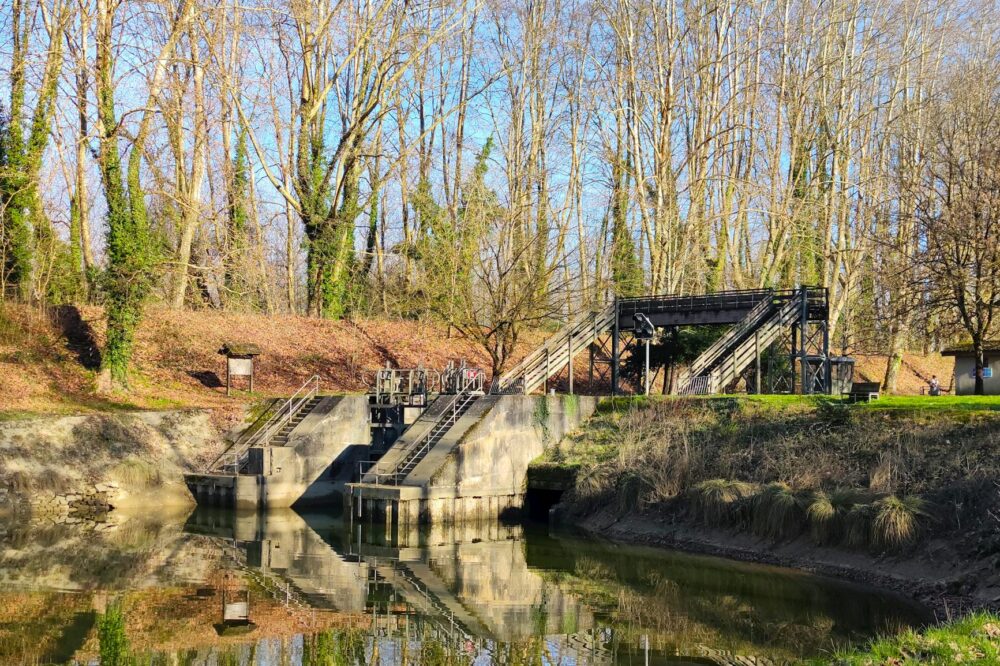
Photo by Loïc D-Goth on Pexels




Bonjour, j’aimerais savoir s’il est possible de faire du vélo sur le chemin de halage avec un vélo électrique ?
Oui, le chemin de halage est parfait pour les vélos électriques. Il est plat et bien entretenu, ce qui rend la balade agréable. Vous pouvez louer un vélo électrique dans plusieurs villes le long du canal.
Merci pour cet article très complet ! Une question : faut-il un permis pour piloter un bateau de location ?
Non, aucun permis n’est nécessaire pour les bateaux de location. Les sociétés comme Le Boat ou Locaboat vous donnent une brève formation avant le départ. C’est très accessible même pour les débutants.
Nous prévoyons un voyage en famille avec deux enfants. Quelle portion du canal recommandez-vous pour une première expérience ?
Pour une famille, je recommande le tronçon entre Toulouse et Carcassonne. Il offre des paysages variés, des villages charmants et des activités pour enfants. La durée de 5 à 7 jours est idéale pour ne pas se presser.
Je suis passionné d’histoire. Y a-t-il des visites guidées qui expliquent la construction du canal ?
Oui, plusieurs offices de tourisme proposent des visites guidées, notamment aux écluses de Fonserannes et au tunnel du Malpas. Vous pouvez aussi trouver des audioguides ou des applications mobiles dédiées.
Est-ce que le canal est accessible aux personnes à mobilité réduite ?
Le chemin de halage est généralement plat et en gravier, ce qui peut être difficile pour les fauteuils roulants, mais certaines portions sont plus accessibles. Pour les bateaux, certaines compagnies proposent des bateaux adaptés. Il est conseillé de contacter les loueurs à l’avance.
Quel est le meilleur mois pour éviter la foule mais avoir un temps agréable ?
Mai et septembre sont excellents : les températures sont douces, les arbres sont verts ou colorés en automne, et il y a moins de touristes qu’en juillet-août. C’est parfait pour une exploration paisible.