
Table des matières:
Unveiling the Treasures of the Musée des Augustins
The Musée des Augustins in Toulouse is one of the most remarkable art museums in southwestern France. Housed in a former Augustinian monastery, it boasts an exceptional collection of sculptures and paintings spanning from the Middle Ages to the early 20th century. Whether you’re an art enthusiast, a history buff, or a curious traveler, this museum offers a journey through centuries of creativity. In this guide, we’ll explore what you can see at the Musée des Augustins in Toulouse, from its architectural marvels to its world-famous masterpieces.
The Museum’s Unique Setting: A Gothic Monastery
Before diving into the artworks, take a moment to appreciate the museum itself. The building is a former Augustinian convent, founded in the 14th century. Its Gothic cloisters are among the oldest in France, providing a serene backdrop for the sculpture collection. The cloister garden, with its arched walkways and central fountain, is a peaceful oasis in the heart of the city.
Architectural Highlights
- Cloister of the 14th century: A masterpiece of Gothic architecture, featuring intricate stone carvings and a tranquil garden.
- Chapter house: A vaulted room where monks once gathered, now displaying Romanesque capitals.
- Refectory: A large hall with a painted ceiling, now used for temporary exhibitions.
The Sculpture Collection: From Romanesque to Baroque
The Musée des Augustins is particularly famous for its sculpture collection, which is one of the finest in France. The museum’s holdings include over 300 sculptures, ranging from Romanesque capitals to Baroque masterpieces.
Romanesque and Gothic Sculptures
The museum’s Romanesque collection features capitals from the Basilica of Saint-Sernin and other local churches. These intricately carved stones depict biblical scenes and mythical creatures. The Gothic period is represented by statues of saints and virgins, such as the Vierge de l’Annonciation (Virgin of the Annunciation), a delicate 14th-century alabaster figure.
Renaissance and Baroque Masterpieces
The Renaissance is showcased through works like the Tomb of the Counts of Toulouse, a monumental marble structure from the 16th century. The Baroque period brings dramatic sculptures, including Saint Sebastian by Nicolas Coustou, a powerful depiction of the martyr’s agony.
The Painting Collection: A Journey Through French Art
The painting collection at the Musée des Augustins spans from the 14th to the 19th centuries, with a strong emphasis on French artists. The museum’s layout allows you to trace the evolution of painting styles over five centuries.
Medieval and Renaissance Paintings
The medieval section features religious works on wood panels, such as the Retable of the Holy Spirit (15th century), a vibrant altarpiece with gold leaf details. The Renaissance is represented by paintings like The Entombment of Christ by an anonymous Toulouse master, showing the influence of Italian art.
17th and 18th Century French Painting
This period includes works by Nicolas Tournier, a leading figure of the French Caravaggio school. His painting The Crucifixion with Saint Vincent is a dramatic use of chiaroscuro. The 18th century brings lighter, more decorative works, such as Fête Champêtre by Jean-Baptiste Oudry.
19th Century: Romanticism to Realism
The 19th-century collection includes Romantic landscapes by Eugène Delacroix and realistic portraits by Gustave Courbet. A highlight is The Death of Sardanapalus (a smaller version of Delacroix’s famous painting), which captures the intensity of the Romantic spirit.
Masterpieces by Toulouse-Lautrec
A visit to the Musée des Augustins would be incomplete without seeing its collection of works by Henri de Toulouse-Lautrec, the famous artist born in Albi, just an hour from Toulouse. The museum holds several of his paintings and drawings, including The Jockey, a dynamic study of a horse and rider, and Portrait of a Woman, showing his keen eye for character.
Why Toulouse-Lautrec Matters
Toulouse-Lautrec is known for his depictions of Parisian nightlife, but his earlier works reveal his deep connection to the region. The museum’s collection offers insight into his development as an artist, from his academic training to his innovative use of line and color.
Religious Art and Artifacts
Given the museum’s origins, it’s no surprise that religious art forms a significant part of the collection. In addition to sculptures and paintings, you’ll find stained glass windows, liturgical objects, and vestments. The Chapel of the Augustins, located within the museum, is a restored 14th-century space that hosts concerts and events.
Temporary Exhibitions and Events
The museum regularly hosts temporary exhibitions that delve into specific themes or artists. Recent shows have focused on baroque sculpture and medieval goldsmithing. Check the museum’s schedule before your visit to see what’s on.
Practical Tips for Your Visit
To make the most of your experience, consider these practical details:
Opening Hours and Admission
- Hours: Open daily except Tuesdays, 10:00 AM to 6:00 PM. Late opening on Wednesdays until 9:00 PM.
- Admission: Free for permanent collections; fees apply for temporary exhibitions. Free for EU residents under 26.
- Location: 21 Rue de Metz, Toulouse. Metro: Jeanne d’Arc or Capitole.
How to Plan Your Visit
- Allow 2-3 hours for a thorough tour of the permanent collection.
- Start in the cloister to orient yourself and enjoy the architectural setting.
- Focus on your interests: if you love sculpture, spend more time in the ground floor galleries; if painting is your passion, head to the upper floors.
- Use the audio guide (available in English) for deeper insights.
Common Mistakes to Avoid
- Rushing through: The museum is larger than it appears; allocate enough time.
- Skipping the cloister: It’s a highlight, not just a passageway.
- Ignoring the temporary exhibitions: They often feature rare pieces on loan.
- Forgetting the museum shop: It offers excellent art books and souvenirs.
Nearby Attractions
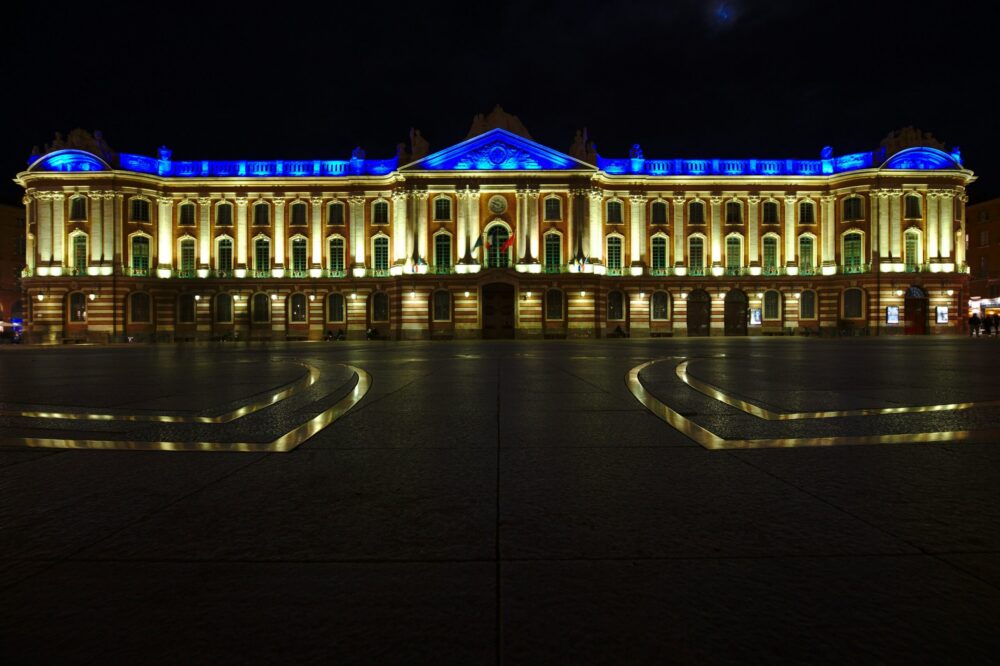
Combine your visit with other Toulouse landmarks. The Basilica of Saint-Sernin, a UNESCO World Heritage site, is a 10-minute walk away. The Capitole de Toulouse, with its grand square and city hall, is also nearby. For modern art, head to the Les Abattoirs museum.
Frequently Asked Questions
1. Is the Musée des Augustins suitable for children?
Yes, the museum offers family-friendly activities and a scavenger hunt for kids. The sculpture garden is especially engaging for young visitors.
2. Can I take photographs inside the museum?
Photography is allowed without flash for personal use. Tripods and selfie sticks are prohibited.
3. Are there guided tours in English?
Yes, guided tours in English are available by reservation. Check the museum’s website for schedules.
4. How long does it take to see the entire museum?
Most visitors spend 2 to 3 hours exploring the permanent collection. Add extra time for temporary exhibitions.
5. Is the museum accessible for wheelchair users?
Yes, the museum is fully accessible with elevators and ramps. Wheelchairs are available at the entrance.
6. What is the best time to visit to avoid crowds?
Weekday mornings, especially Wednesday or Thursday, are less crowded. The late opening on Wednesdays also offers a quieter experience.
Final Thoughts: Why the Musée des Augustins Deserves Your Time
From its serene Gothic cloisters to its world-class collection of paintings and sculptures, the Musée des Augustins offers a rich cultural experience that rivals larger museums in Paris. Whether you’re drawn to medieval religious art, Baroque drama, or the works of Toulouse-Lautrec, you’ll find something to captivate you. Plan your visit, take your time, and let the art of centuries past speak to you. The Musée des Augustins in Toulouse is a treasure waiting to be discovered.
Photo by Artfox Photography on Unsplash

Is the cloister garden open to visitors year-round, or does it close during winter?
The cloister garden is generally open year-round, but during wet or cold months, access may be limited for preservation. It’s best to check the museum’s official website for seasonal updates before your visit.