
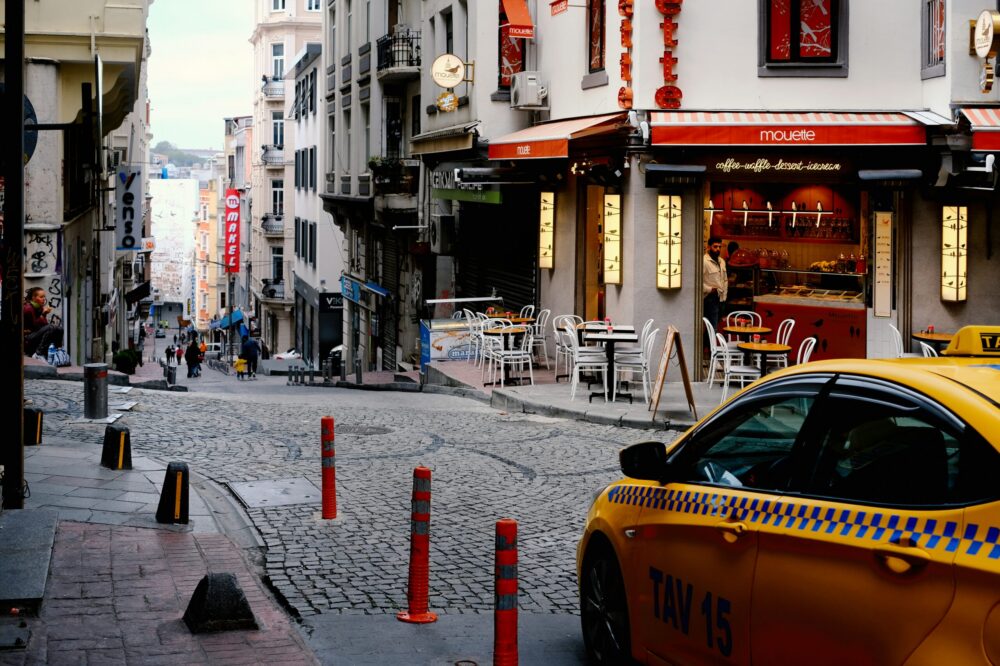
Istanbul’s weather is a defining factor for students deciding to study in this vibrant city. With a climate that shifts dramatically across seasons, understanding what to expect helps you prepare better for daily life, commuting, and making the most of your time here. This guide breaks down Istanbul’s weather month by month, offers practical packing advice, and answers common questions students have about the city’s climate.
Table des matières:
Istanbul’s Climate at a Glance
Istanbul experiences a humid subtropical climate with Mediterranean influences. The city straddles Europe and Asia, and its weather is shaped by the Black Sea to the north and the Sea of Marmara to the south. Winters are cool and wet, summers are warm and humid, and spring and autumn are mild and transitional. For students, this means you’ll need a versatile wardrobe and a flexible mindset.
Seasonal Breakdown for Students
Winter (December–February): Cold and Rainy
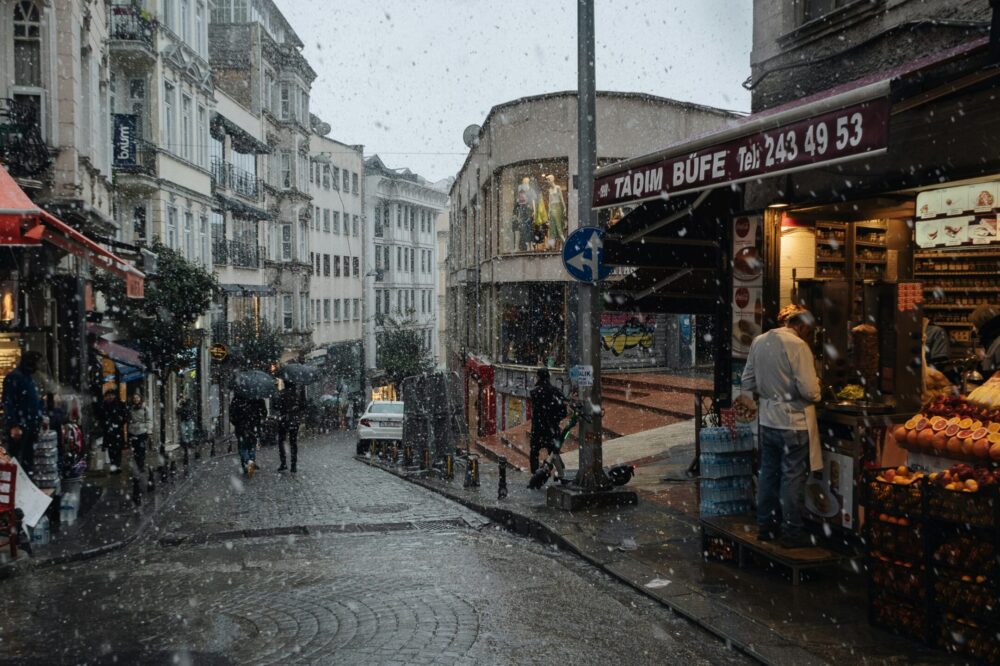
Winter in Istanbul is chilly and damp, with average temperatures ranging from 3°C to 10°C (37°F to 50°F). Snowfall is possible but not guaranteed every year. When it does snow, the city often experiences disruptions due to hilly terrain and unprepared infrastructure. Rain is frequent, so a waterproof jacket and sturdy shoes are essential.
- Average temperature: 3–10°C (37–50°F)
- Rainfall: 10–14 rainy days per month
- Snow: 1–3 snowy days per month, mostly in January and February
Student tip: Invest in thermal layers and a good umbrella. Many university buildings have central heating, but older apartments may be drafty. Check if your accommodation includes heating in the rent.
Spring (March–May): Mild and Unpredictable
Spring is a transition period with increasing sunshine but also sudden rain showers. Temperatures range from 8°C in March to 20°C in May. This is a beautiful time to explore Istanbul’s parks and outdoor cafes, but you’ll still need a jacket and an umbrella.
- March: 5–12°C (41–54°F), rainy
- April: 8–18°C (46–64°F), mix of sun and rain
- May: 13–23°C (55–73°F), pleasant
Student tip: Spring is ideal for visiting tourist sites like Hagia Sophia and the Grand Bazaar without summer crowds. Pack layers to adapt to changing conditions.
Summer (June–August): Hot and Humid
Summers are warm to hot, with average highs around 28–30°C (82–86°F), but humidity makes it feel hotter. Heatwaves can push temperatures above 35°C (95°F). Thunderstorms are common in the afternoons. For students, this is a popular time for outdoor festivals and events, but studying in non-air-conditioned spaces can be challenging.
- Average temperature: 20–30°C (68–86°F)
- Humidity: 60–70%
- Rainfall: 4–6 rainy days per month, often heavy
Student tip: Many dorms and apartments lack air conditioning. Consider a portable fan or study in air-conditioned campus libraries. Stay hydrated and avoid outdoor activities during peak heat (12–4 PM).
Autumn (September–November): Cooling Down
Autumn starts warm in September and gradually becomes cooler and wetter. September is still summer-like, while November brings temperatures around 10–15°C (50–59°F). Rain increases, and the city’s foliage turns beautiful shades of red and gold.
- September: 16–27°C (61–81°F)
- October: 12–21°C (54–70°F)
- November: 8–15°C (46–59°F)
Student tip: This is a great time for outdoor activities like Bosphorus cruises or hiking in Belgrad Forest. Start preparing your winter wardrobe in late October.
Monthly Weather Averages for Istanbul
| Month | Avg High (°C) | Avg Low (°C) | Rainy Days |
|---|---|---|---|
| January | 8 | 3 | 14 |
| February | 9 | 3 | 12 |
| March | 12 | 5 | 11 |
| April | 18 | 8 | 9 |
| May | 23 | 13 | 8 |
| June | 28 | 18 | 5 |
| July | 30 | 20 | 4 |
| August | 30 | 20 | 4 |
| September | 27 | 16 | 6 |
| October | 21 | 12 | 9 |
| November | 15 | 8 | 11 |
| December | 10 | 5 | 14 |
How Istanbul’s Weather Affects Student Life
Commuting and Transportation
Istanbul’s public transport (metro, buses, ferries, and trams) is extensive but can be affected by weather. Heavy rain often causes traffic jams and delays. In winter, rare snowfall can halt buses and make walking hazardous on steep streets. Ferries may be canceled in high winds. Plan extra travel time during bad weather.
Housing and Comfort
Many student apartments lack central heating or air conditioning. In winter, portable heaters are common but increase electricity bills. In summer, ceiling fans or portable AC units can make a big difference. Check your rental agreement for heating and cooling provisions. Living on a higher floor may be cooler in summer but colder in winter.
Social Life and Activities
Istanbul’s weather influences social scenes. Summers are perfect for rooftop bars, beach clubs on the Princes’ Islands, and evening walks along the Bosphorus. Winters call for cozy cafes, indoor bazaars, and cultural events like the Istanbul Film Festival. Spring and autumn are ideal for exploring historic neighborhoods and outdoor markets.
Packing Checklist for Students Based on Season
- Winter: Heavy coat, waterproof boots, thermal underwear, scarf, gloves, hat, umbrella
- Spring: Light jacket, sweaters, jeans, waterproof shoes, umbrella
- Summer: Light clothing (cotton, linen), sunglasses, hat, sunscreen, reusable water bottle, portable fan
- Autumn: Layered clothing, medium-weight jacket, boots, umbrella
Year-round essentials: A good umbrella, comfortable walking shoes, and a reusable water bottle. Istanbul’s weather can change quickly, so always carry a light jacket or scarf.
Common Mistakes Students Make About Istanbul’s Weather
- Underestimating winter cold: Even if you’re from a colder climate, Istanbul’s damp cold can feel bone-chilling. Don’t rely on a single coat.
- Assuming summer is always sunny: Summer afternoons often bring sudden thunderstorms. Always carry an umbrella.
- Not preparing for humidity: High humidity makes summer heat more oppressive. Choose breathable fabrics and stay indoors during peak heat.
- Ignoring the wind: Istanbul is windy, especially near the Bosphorus. A windproof jacket is useful year-round.
- Overpacking heavy winter gear for spring: Spring can be mild, so pack layers instead of bulk.
Frequently Asked Questions About Istanbul Weather for Students
Does Istanbul get snow? How does it affect students?
Yes, Istanbul gets light to moderate snowfall most winters, typically 1–3 days per month in January and February. Snow can disrupt transportation and university schedules. Check campus announcements for closures.
Is Istanbul too hot in summer for studying?
Summer temperatures can be uncomfortable, but many students cope by studying in air-conditioned libraries, cafes, or early in the morning. Portable fans help in dorm rooms.
What is the best season to study in Istanbul?
Spring (April–May) and autumn (September–October) offer the most pleasant weather for exploring and studying. However, each season has its advantages.
Do I need a heavy winter coat in Istanbul?
Yes, a warm, waterproof coat is essential from December to February. Temperatures can drop near freezing, and rain or snow is common.
How does humidity affect daily life?
High humidity in summer can make you feel sticky and tired. It also affects electronics and clothing. Use dehumidifiers or silica gel packs in your room.
Are there any weather-related health concerns?
Cold and damp winters can worsen respiratory issues. In summer, heatstroke and dehydration are risks. Always carry water and wear sunscreen.
Practical Tips for Adapting to Istanbul’s Climate
- Check the weather daily using apps like AccuWeather or Meteoroloji Genel Müdürlüğü.
- Keep an umbrella in your backpack at all times.
- Invest in a good pair of waterproof shoes; you’ll thank yourself in winter.
- Learn which cafes and libraries have reliable heating or cooling near your campus.
- Join student groups focused on outdoor activities to make the most of each season.
- If you’re from a tropical climate, prepare for a colder winter than you might expect.
Understanding what the weather is like in Istanbul for students is key to a comfortable and enjoyable study abroad experience. With the right preparation, you can thrive in any season and make lasting memories in this dynamic city.
Photo by Wina Tristiana on Unsplash
I’m a student on a budget. What’s the cheapest way to stay cool in summer without AC?
Portable fans are affordable and widely available. Also, many universities have air-conditioned libraries and study rooms open to students. Spending time in public spaces like malls or museums can help. At home, keep curtains closed during the day and open windows at night for cross-ventilation.
I’m concerned about snow disrupting transportation. How often does that happen?
Snowfall in Istanbul is infrequent, averaging only 1-3 days per month in January and February. However, when it does snow, the city’s hilly terrain and limited snow removal can cause delays in traffic and public transport. It’s wise to allow extra travel time on snowy days and wear waterproof shoes.
What’s the best month for outdoor activities like visiting parks and historical sites?
May and September are ideal – temperatures are mild, around 20-25°C, and there’s less rain than spring or autumn. The crowds are smaller than in peak summer, making it pleasant for exploring Hagia Sophia, the Grand Bazaar, or parks like Gülhane.
Thanks for the detailed guide! I’m from a tropical country, so I’m worried about the cold winters. Any specific tips for someone not used to cold weather?
You’re welcome! For winter, invest in thermal underwear, a good waterproof jacket, and sturdy boots. Layering is more effective than one heavy coat. Also, many indoor spaces are heated, but older apartments can be drafty, so check heating options. A humidifier might help with dry air indoors.
Is it true that many apartments don’t have air conditioning? I’m worried about studying in summer.
Yes, it’s common for older buildings and some dorms to lack AC. Many students use portable fans or study in air-conditioned campus libraries and cafes. Staying hydrated and avoiding peak heat hours (12-4 PM) helps. Consider checking if your accommodation has AC before signing a lease.
Great article! One thing I’m wondering: do I need a heavy winter coat, or will layers suffice?
Layers are generally more practical because winter temperatures range from 3-10°C. A medium-weight waterproof coat with thermal layers underneath works well. A heavy down coat might be overkill for most days, but if you’re sensitive to cold, it’s an option. Also, a hat and gloves are helpful.
I’m planning to study in Istanbul next fall. How should I prepare for the transition from summer to autumn?
Good question! Autumn in Istanbul starts warm in September, so pack light clothes for early fall but include a jacket and sweater for October and November. The weather cools gradually, so layering is key. Also, an umbrella is useful as rain increases in October.