

Table des matières:
Florence Weather Overview for Students
If you’re planning to study in Florence, understanding the local climate is essential for your comfort and daily routine. Florence has a humid subtropical climate with hot summers, cool winters, and distinct seasonal changes. Whether you’re packing for a semester abroad or a full degree program, knowing what to expect will help you prepare.
Season-by-Season Breakdown
Spring (March–May): Mild and Pleasant
Spring in Florence is one of the best times to be a student. Temperatures range from 10°C (50°F) in March to 22°C (72°F) in May. Rain is common in March and April, but May brings more sunshine. This is a great season for outdoor studying at Piazza della Signoria or exploring the Boboli Gardens.
Summer (June–August): Hot and Crowded
Summers are hot, with average highs of 30°C (86°F) in July and August, sometimes reaching 38°C (100°F). Humidity can make it feel even warmer. Many student apartments lack air conditioning, so a fan is essential. Early morning or late evening are best for studying or sightseeing. The heat can affect concentration, so plan your schedule accordingly.
Autumn (September–November): Cooling Down
September is still warm (around 27°C / 81°F), but October and November become cooler and rainier. Temperatures drop to 10°C–15°C (50°F–59°F) by November. This is a good time for indoor activities like visiting museums or studying in cozy cafes. Pack layers and a waterproof jacket.
Winter (December–February): Cold and Damp
Winters are chilly, with average lows around 2°C (36°F) and highs around 10°C (50°F). Snow is rare but possible. The dampness can make it feel colder, so warm clothing and a good coat are necessary. Student housing often has heating, but you may want extra blankets. Winter is also the least crowded season, offering a more relaxed study environment.
Packing Checklist for Florence Students
- Lightweight clothing for summer (cotton shirts, shorts, dresses)
- Warm layers for winter (sweaters, fleece, thermal underwear)
- Waterproof jacket and umbrella (year-round rain possible)
- Comfortable walking shoes (you’ll walk a lot)
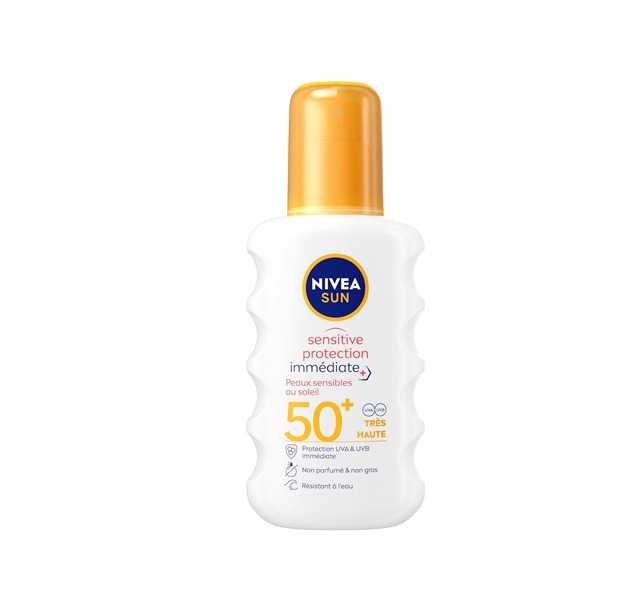
- Sun protection (hat, sunglasses, sunscreen for summer)
- Portable fan (if no AC in summer)
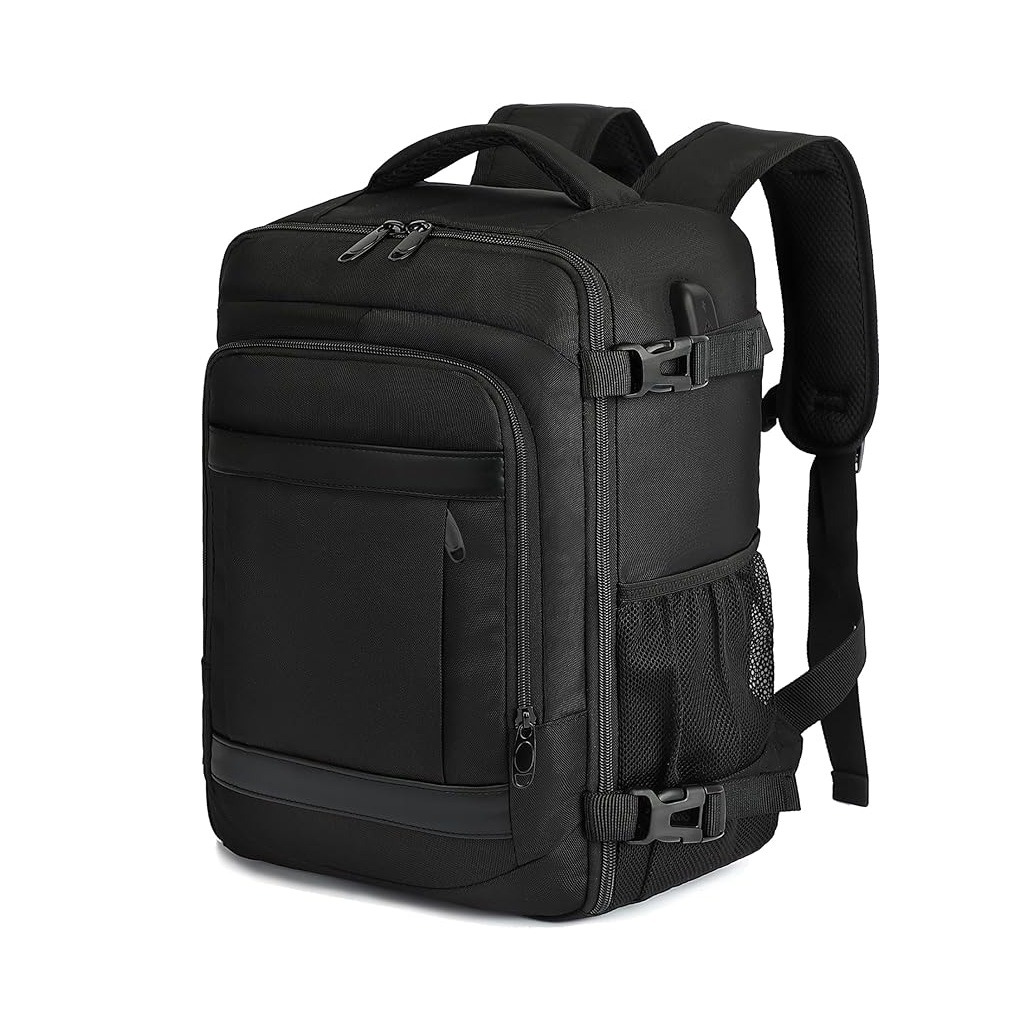
- Backpack for daily essentials
How Weather Affects Student Life
Florence is a walking city, so weather directly impacts your commute. In summer, plan to walk early or late to avoid heat. In winter, be prepared for cold walks to class. Rain can make cobblestone streets slippery, so wear sturdy shoes. Many student hangouts and study spots have outdoor seating in good weather, but indoor alternatives are available when it’s cold or rainy.
Best Times for Outdoor Study and Leisure
Spring and early autumn offer the most comfortable weather for outdoor activities. You can study in parks like Giardino di Boboli or relax along the Arno River. Summer evenings are pleasant for socializing, while winter weekends are perfect for exploring museums and indoor markets.
Weather-Related Mistakes Students Make
- Underestimating summer heat and not bringing a fan or light clothing.
- Forgetting that many buildings lack central air conditioning.
- Not packing a raincoat for unpredictable spring showers.
- Assuming winter is mild like other Mediterranean cities – it can be quite cold.
- Relying on public transport during strikes; walking is often better but weather-dependent.
Monthly Weather Averages at a Glance
| Month | Avg High (°C) | Avg Low (°C) | Rainfall (mm) |
|---|---|---|---|
| Jan | 10 | 2 | 73 |
| Feb | 12 | 3 | 69 |
| Mar | 15 | 6 | 80 |
| Apr | 19 | 9 | 78 |
| May | 24 | 13 | 73 |
| Jun | 28 | 17 | 55 |
| Jul | 31 | 20 | 40 |
| Aug | 31 | 20 | 76 |
| Sep | 27 | 16 | 78 |
| Oct | 21 | 12 | 88 |
| Nov | 15 | 7 | 92 |
| Dec | 11 | 3 | 81 |
Frequently Asked Questions
Does Florence get very cold in winter?
Yes, winter can be cold and damp, with temperatures occasionally dropping below freezing. Pack a warm coat, scarf, and gloves.
Is Florence too hot in summer for studying?
It can be uncomfortable, especially without air conditioning. Many students study in libraries or cafes with AC, or early in the morning.
When is the rainy season in Florence?
Rain is fairly evenly distributed, but autumn (October–November) tends to be the wettest. Spring also has frequent showers.
What should I wear in Florence as a student?
Dress in layers year-round. In summer, light fabrics; in winter, warm layers. Always have a light jacket or sweater for evenings, even in summer.
Does it snow in Florence?
Snow is rare but possible, usually a light dusting once or twice a year. Heavy snow is uncommon.
How does weather affect student housing choices?
Apartments with air conditioning or good heating are more expensive. Many students choose central locations to minimize walking in extreme weather.
Practical Tips for Thriving in Florence’s Climate
To make the most of your student experience, adapt to the local rhythm. In summer, follow the Italian custom of a midday riposo (rest) to avoid the heat. In winter, take advantage of sunny days to explore. Always check the forecast before planning outdoor activities. Join student groups that organize weather-appropriate events. Remember that Florence’s weather, while varied, adds to the charm of studying in this historic city. With the right preparation, you’ll enjoy every season.
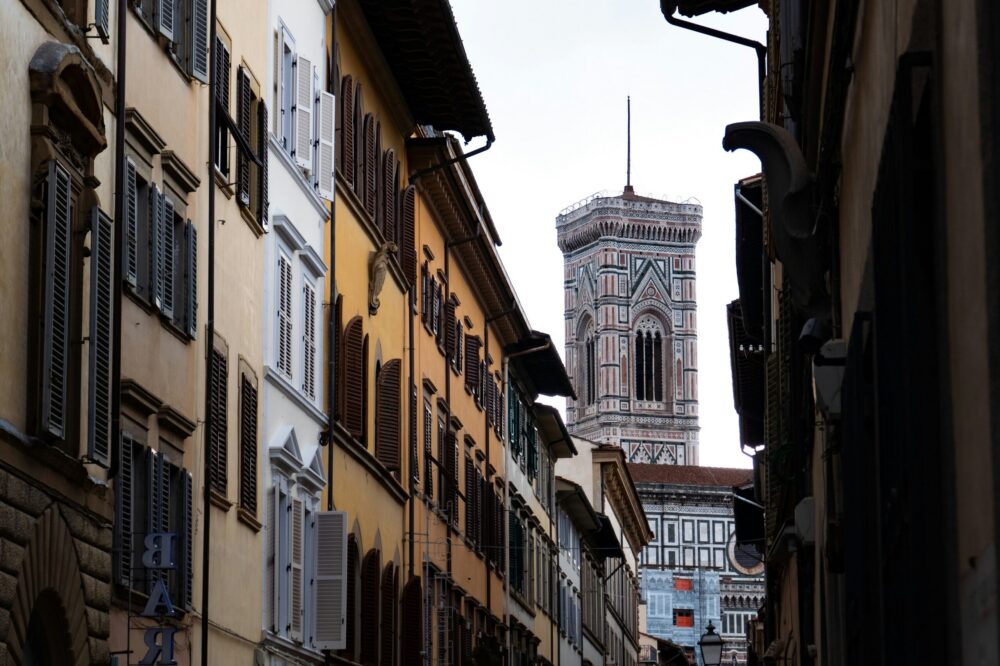
Photo by Gabriella Clare Marino on Unsplash



I’m from a tropical country and I’m really worried about the cold in winter. What kind of coat would you recommend for Florence’s damp winter?
A good quality waterproof and windproof coat is essential. Down or synthetic insulation works well. Since the dampness can make the cold feel sharper, layering is key: a thermal base layer, a fleece or sweater, and then your coat. Don’t forget a scarf, hat, and gloves.
What about studying outside in summer? The article mentions heat affecting concentration. Are there any shaded spots near the university that stay cool?
Yes, many students study in the Boboli Gardens, which have shaded areas under trees. Also, the cloisters of Santa Croce or San Lorenzo offer cool, quiet spots. Early morning or late afternoon are best. Avoid the midday sun, and always carry a water bottle.
I’m planning to study abroad in Florence next spring. Is it true that March can be quite rainy? Should I bring a heavy raincoat or just an umbrella?
Yes, March and April are the rainiest months in spring. A waterproof jacket with a hood is more practical than just an umbrella because you’ll be walking a lot and the wind can make umbrellas less effective. Pack both if you have space!
Thanks for the seasonal breakdown! I’ll be there for the full academic year. Do student apartments usually have heating in winter? I’m worried about being cold.
Most student apartments do have heating, but it’s often on a timer or controlled centrally, so you may not be able to adjust it freely. Bringing thermal underwear, a warm sweater, and extra blankets is a good idea. Also, a hot water bottle can be a lifesaver on chilly nights.
Is it true that many apartments lack air conditioning? I’m considering renting a place and I’m not sure how to cope with the heat.
Yes, it’s common for older buildings in Florence to not have AC. A portable fan is essential. Some students also use cooling towels or take cool showers before bed. Look for apartments on higher floors or with good cross-ventilation. You might also consider a portable AC unit if your landlord allows it.
The packing checklist is helpful! I’m wondering if I need to bring a formal outfit for any student events, or is it mostly casual?
Student life in Florence is generally casual, but you might want one smart-casual outfit for special occasions like a formal dinner or a presentation. A simple dress or a button-down shirt with trousers will suffice. Most days, comfortable walking shoes and layers are all you need.