
Table des matières:
Introduction
If you’re planning a trip to London, you may be wondering: How do I visit the Tate Modern and what should I see? This iconic modern and contemporary art gallery on the South Bank is one of the city’s most popular attractions. Whether you’re an art enthusiast or a curious traveler, this guide will help you navigate the gallery’s vast collection, plan your visit, and highlight the must-see artworks. From free galleries to the stunning Blavatnik Building, here’s everything you need to know.
How to Visit the Tate Modern
Getting There
The Tate Modern is located at Bankside, London SE1 9TG. The nearest tube stations are Southwark (Jubilee line), Blackfriars (District and Circle lines), and St. Paul’s (Central line). You can also take a riverboat to Bankside Pier. Many visitors walk across the Millennium Bridge from St. Paul’s Cathedral for a scenic approach.
Opening Hours and Admission
The Tate Modern is open daily from 10:00 AM to 6:00 PM, with extended hours until 10:00 PM on Fridays and Saturdays. It is closed on December 24–26. Entry to the permanent collection is free, though special exhibitions require a ticket. No booking is needed for general admission, but it’s wise to check the website for any temporary closures.
Best Times to Visit
To avoid crowds, visit on weekday mornings or late afternoons. Fridays and Saturdays are busier due to late-night openings, but these also offer a vibrant atmosphere. The gallery is less crowded during school term times, so plan accordingly.
What to See at the Tate Modern
The Permanent Collection
The Tate Modern’s permanent collection spans from 1900 to the present. Key highlights include:
- Pablo Picasso’s ‘The Three Dancers’ (1925) – A striking, distorted depiction of dancers, reflecting the artist’s surrealist phase.
- Henri Matisse’s ‘The Snail’ (1953) – A large-scale cut-out that uses vibrant colors and organic shapes.
- Mark Rothko’s Seagram Murals (1958–1959) – A series of dark, meditative paintings that occupy a dedicated room.
- Andy Warhol’s ‘Marilyn Diptych’ (1962) – An iconic pop art piece featuring repeated silkscreened images of Marilyn Monroe.
- Louise Bourgeois’s ‘Maman’ (1999) – A giant spider sculpture that stands outside the gallery, a favorite for photos.
The Blavatnik Building (Switch House)
Opened in 2016, this ten-story tower offers panoramic views of London from its top-floor viewing platform. It houses galleries dedicated to live performance, photography, and contemporary works. Don’t miss the Olafur Eliasson installation ‘The weather project’ (a large artificial sun) in the Turbine Hall, though it’s now replaced by new commissions.
Turbine Hall
The vast Turbine Hall hosts large-scale installations that change periodically. Past highlights include Ai Weiwei’s sunflower seeds and Carsten Höller’s slides. Check the Tate Modern website for the current installation.
Special Exhibitions
The Tate Modern regularly hosts temporary exhibitions featuring major artists or themes. Recent shows have included Yayoi Kusama’s Infinity Mirror Rooms and a Picasso retrospective. Tickets for these exhibitions often sell out, so book in advance.
Tips for Your Visit
- Download the Tate Modern app for audio guides and maps.
- Take a free guided tour – Daily tours of the permanent collection are offered at no extra cost.
- Visit the viewing level on the 10th floor of the Blavatnik Building for free skyline views.
- Dine at the Tate Modern restaurant for modern British cuisine with river views.
- Combine with a walk along the South Bank to see other landmarks like the Globe Theatre and Borough Market.
Conclusion
Visiting the Tate Modern is a rewarding experience for anyone interested in modern and contemporary art. With free admission to the permanent collection, easy access via public transport, and a wealth of iconic artworks, it’s a must-see destination in London. Whether you’re captivated by Rothko’s color fields, Warhol’s pop art, or Bourgeois’s spider, the Tate Modern offers something for everyone. Plan your visit around the tips above, and you’ll leave inspired by one of the world’s greatest galleries. So, now you know how to visit the Tate Modern and what to see – start planning your trip today!
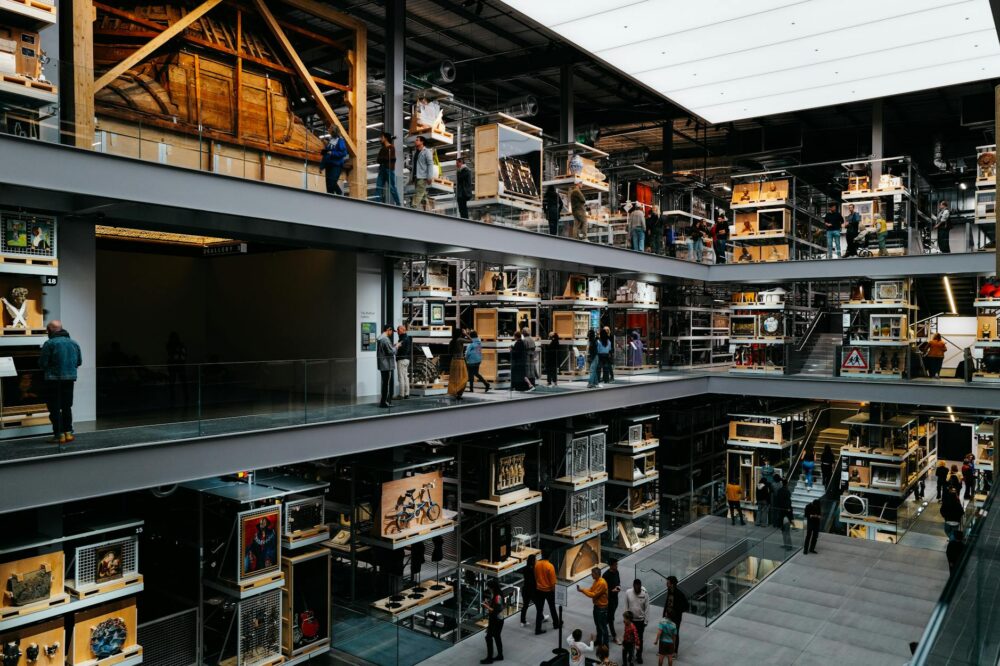
Photo by Adrien Olichon on Pexels



Is the Tate Modern really free for the permanent collection? And do I need to book in advance for that?
Yes, entry to the permanent collection is free and no booking is required for general admission. However, special exhibitions require a paid ticket, and it’s wise to book those in advance. Always check the website for any temporary closures.
I’m planning a visit on a Friday evening. Is it very crowded, and is the viewing platform open late too?
Fridays can be busier due to the late-night opening until 10 PM, but the atmosphere is vibrant. The viewing level on the 10th floor of the Blavatnik Building is free and open during gallery hours, including Friday evenings, offering great skyline views.
What are the must-see artworks for someone with limited time? I only have an hour.
If you’re short on time, prioritize the Rothko Seagram Murals, Matisse’s ‘The Snail’, and Warhol’s ‘Marilyn Diptych’. Also step outside to see Bourgeois’s ‘Maman’ spider. The Turbine Hall’s current installation is worth a quick look too.
Can I take photos inside the Tate Modern?
Photography for personal use is generally allowed in the permanent collection galleries, but flash, tripods, and selfie sticks are prohibited. Special exhibitions may have restrictions, so check signage or ask staff. Enjoy capturing your favorite pieces!