Table des matières:
What Are the Top National Parks in France for 2026?
France is renowned for its cultural heritage, but its natural landscapes are equally breathtaking. With 11 national parks spanning from the Pyrenees to the Alps and beyond, these protected areas offer unparalleled opportunities for adventure, wildlife spotting, and serene escapes. As we look ahead to 2026, planning a visit to these pristine environments requires insight into what makes each park unique. This guide highlights the top national parks in France for 2026, considering factors like accessibility, biodiversity, and upcoming conservation initiatives.
Why Visit French National Parks in 2026?
2026 presents a special opportunity to explore France’s national parks. Many parks are implementing new sustainable tourism measures, enhancing visitor facilities while preserving delicate ecosystems. Additionally, climate awareness is driving increased interest in nature-based travel. By visiting these parks, you support conservation efforts and experience some of Europe’s most stunning scenery.
Key Factors for Choosing Parks in 2026
When determining what are the top national parks in France for 2026, consider these elements:
- Biodiversity: Parks with rich flora and fauna offer rewarding wildlife encounters.
- Accessibility: Improved infrastructure makes remote areas more reachable.
- Conservation Projects: Some parks have special programs visible to visitors.
- Seasonal Highlights: Timing your visit can maximize experiences like wildflower blooms or autumn colors.
1. Vanoise National Park: Alpine Majesty
Established in 1963, Vanoise National Park is France’s first national park. Located in the Alps, it shares a border with Italy’s Gran Paradiso National Park, creating a vast protected area. For 2026, Vanoise remains a top choice due to its well-maintained trails and iconic wildlife.
Highlights for 2026
Vanoise is home to over 1,200 ibex and 2,000 chamois, making it a premier destination for animal lovers. The park’s glaciers and high-altitude lakes, like Lac Blanc, offer dramatic scenery. In 2026, look for guided tours focusing on climate change impacts on alpine ecosystems.
- Best for: Hiking, wildlife photography, glacier views
- Ideal season: Summer (June to September)
- Nearby town: Modane
2. Calanques National Park: Mediterranean Marvel
Calanques National Park, near Marseille, is unique as Europe’s only mainland national park that encompasses land, sea, and suburban areas. Its limestone cliffs and turquoise coves are unforgettable. For 2026, it’s a top pick for coastal adventures.
What to Expect in 2026
The park is enhancing its marine conservation efforts, with new snorkeling trails planned to educate visitors about Mediterranean biodiversity. Kayaking through the calanques (inlets) remains a popular activity. Due to fire risk, summer access may be restricted; spring and fall are optimal.
- Best for: Kayaking, swimming, rock climbing
- Ideal season: Spring (April-May) or Autumn (September-October)
- Access point: Marseille or Cassis
3. Cévennes National Park: A UNESCO Biosphere Reserve
Cévennes National Park, a UNESCO World Heritage site, showcases the rugged beauty of southern France. Its mosaic of landscapes includes mountains, valleys, and traditional farming terraces. For 2026, it’s ideal for those seeking cultural and natural immersion.
2026 Opportunities
The park promotes agro-pastoralism, with opportunities to visit working farms. Stargazing is exceptional here due to minimal light pollution. New astronomy programs are slated for 2026, aligning with dark sky preservation initiatives.
- Best for: Stargazing, hiking, cultural heritage
- Ideal season: Late spring to early autumn
- Key town: Florac
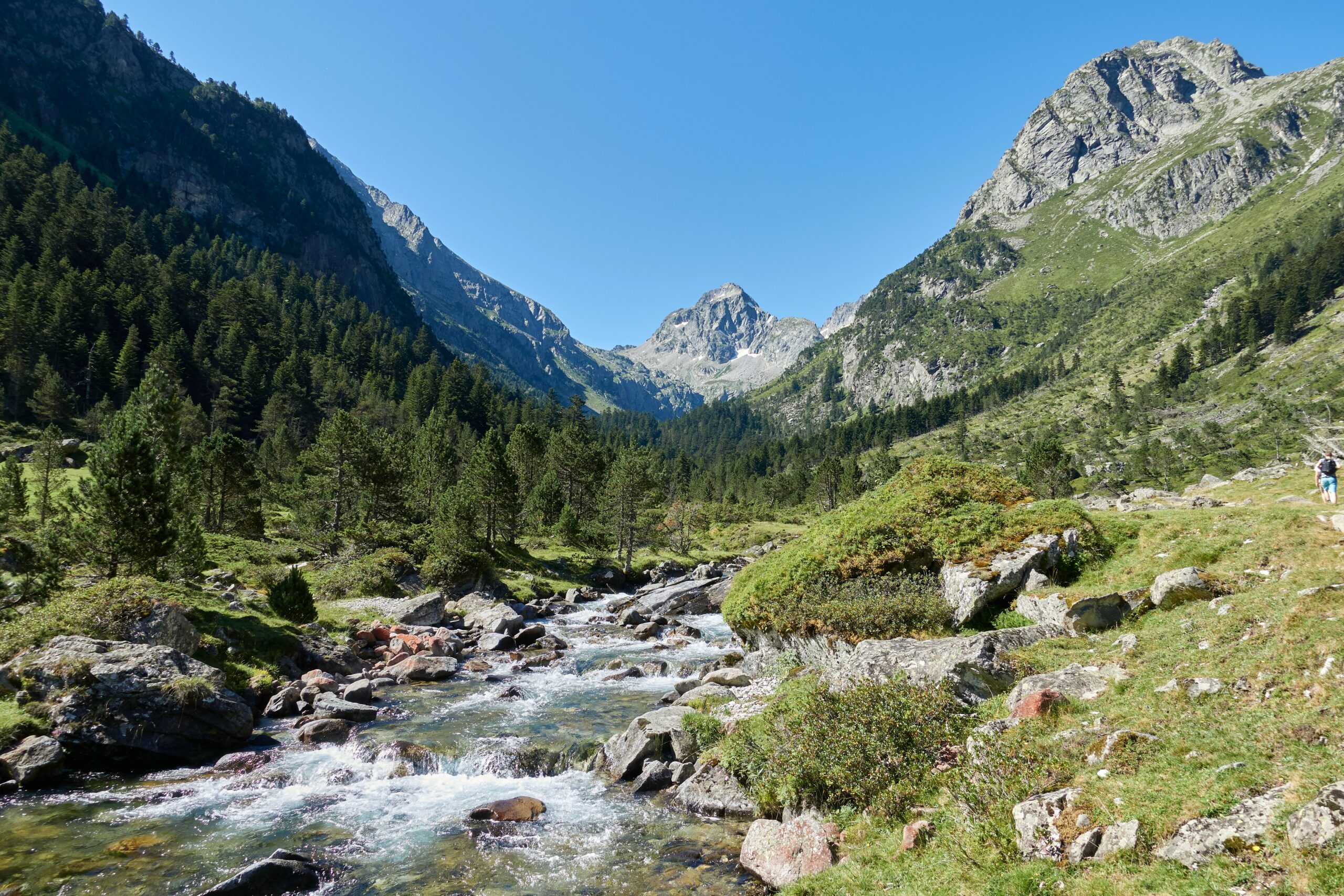
4. Pyrénées National Park: Mountain Wilderness
Straddling the French-Spanish border, Pyrénées National Park features peaks over 3,000 meters, including the iconic Cirque de Gavarnie. Its diverse habitats range from lush valleys to high-altitude zones. For 2026, it’s a top destination for serious trekkers.
Planning Your 2026 Visit
The park is part of the Pyrenees-Mont Perdu UNESCO site. Look for guided hikes focusing on the return of native species like the bearded vulture. The GR10 long-distance trail traverses the park, offering multi-day trekking options.
- Best for: Long-distance hiking, waterfall views, birdwatching
- Ideal season: July to September for high routes
- Gateway: Cauterets or Gavarnie
5. Port-Cros National Park: Marine Sanctuary
Port-Cros National Park, France’s first marine national park, protects the islands of Port-Cros and Porquerolles in the Mediterranean. Its crystal-clear waters and preserved landscapes make it a haven for nature enthusiasts. For 2026, it’s a top choice for underwater exploration.
2026 Enhancements
The park limits daily visitors to protect its ecosystems, so advance planning is essential. New underwater trails with informational buoys are being developed. Snorkeling and diving reveal vibrant marine life, including groupers and octopuses.
- Best for: Snorkeling, diving, island hiking
- Ideal season: May to October
- Access: Ferry from Hyères or Le Lavandou
6. Écrins National Park: The Roof of the Alps
Écrins National Park, in the Dauphiné Alps, boasts some of France’s highest peaks, including Barre des Écrins (4,102m). Its glaciers, alpine meadows, and remote valleys offer solitude and challenge. For 2026, it’s perfect for mountaineers and experienced hikers.
Why Visit in 2026
The park is improving hut systems for trekkers. Climate monitoring stations allow visitors to learn about glacial retreat. Guided alpine climbs are available for those with proper skills and equipment.
- Best for: Mountaineering, alpine flora, glacier trekking
- Ideal season: Mid-June to September
- Base towns: Briançon or Bourg-d’Oisans
7. Mercantour National Park: Alpine and Mediterranean Blend
Mercantour National Park, near the Italian border, uniquely combines alpine and Mediterranean influences. It’s famous for the Vallée des Merveilles, with over 40,000 Bronze Age rock carvings. For 2026, it offers historical and natural intrigue.
2026 Features
The park is expanding interpretation centers for the rock carvings. Wildlife includes reintroduced ibex and the rare golden eagle. The southern sections feature olive trees and lavender, blending landscapes beautifully.
- Best for: Historical sites, diverse landscapes, wildlife
- Ideal season: Summer for high altitudes, spring for flowers
- Access points: Nice or Tende
8. Guiana Amazonian Park: France’s Tropical Gem
Guiana Amazonian Park, in French Guiana, is the largest national park in the European Union, covering Amazonian rainforest. It’s remote but incredibly biodiverse. For 2026, it’s a top pick for adventurous travelers seeking a unique experience.
Visiting in 2026
Access requires planning, often with guided tours from Cayenne. The park protects species like jaguars and giant otters. New eco-lodges are opening, offering sustainable stays deep in the rainforest.
- Best for: Rainforest exploration, biodiversity, adventure
- Ideal season: Dry season (July to December)
- Gateway: Cayenne, French Guiana
Planning Your 2026 National Park Trip
To make the most of your visit to the top national parks in France for 2026, consider these tips.
Best Times to Visit
Timing varies by park. Alpine parks like Vanoise and Écrins are best in summer (June-September) when trails are snow-free. Mediterranean parks like Calanques are ideal in spring or fall to avoid heat and crowds. Check park websites for seasonal alerts.
Essential Preparations
- Permits and Reservations: Some parks require permits for certain areas or activities. Book accommodations early, especially for popular parks.
- Gear: Proper hiking boots, weather-appropriate clothing, and navigation tools are crucial.
- Guides: Consider hiring local guides for specialized activities like mountaineering or wildlife spotting.
Sustainable Travel Practices
Help preserve these parks by following Leave No Trace principles. Stay on marked trails, pack out all trash, and respect wildlife distances. Support local economies by using nearby services.
Conclusion: Discovering France’s Natural Treasures in 2026
Exploring what are the top national parks in France for 2026 reveals a diverse array of landscapes, from alpine peaks to Mediterranean coasts and Amazonian rainforests. Each park offers unique experiences, whether you seek adventure, tranquility, or cultural insights. By planning ahead and traveling responsibly, you can enjoy these protected areas while contributing to their conservation. As 2026 approaches, start dreaming of your French national park adventure—a journey into some of Europe’s most spectacular natural settings.