Table des matières:
Introduction to Istanbul’s Historical Mosques
Istanbul, a city straddling Europe and Asia, is a treasure trove of history, culture, and spirituality. Among its many attractions, the historical mosques stand out as architectural masterpieces that tell stories of empires, faith, and artistic innovation. For travelers and history enthusiasts, exploring these sacred sites offers a profound glimpse into the city’s past and present. In this guide, we delve into the top historical mosques to visit in Istanbul, highlighting their unique features, historical significance, and practical tips for visitors. Whether you’re planning a trip or simply curious, this article will help you appreciate the beauty and heritage of these iconic structures.
Why Visit Historical Mosques in Istanbul?
Istanbul’s mosques are more than just places of worship; they are living museums that showcase the evolution of Islamic architecture over centuries. From the Byzantine influences in early Ottoman designs to the grandeur of the classical period, each mosque reflects the cultural and political shifts of its time. Visiting these sites allows you to experience the spiritual ambiance, admire intricate craftsmanship, and understand the city’s role as a crossroads of civilizations. As you explore, you’ll find that the top historical mosques to visit in Istanbul are not only visually stunning but also deeply embedded in the fabric of daily life, offering moments of tranquility amidst the bustling city.
Hagia Sophia: A Monument of Transformation
Originally built as a cathedral in the 6th century, Hagia Sophia is one of the most iconic historical mosques to visit in Istanbul. Its conversion to a mosque after the Ottoman conquest in 1453 added Islamic elements, creating a unique blend of Christian and Muslim art. Today, it serves as a museum, though recent changes have allowed for prayer services, highlighting its dual heritage.
Architectural Highlights
The massive dome, supported by intricate pendentives, is a marvel of engineering that inspired later Ottoman mosques. Inside, you’ll find Byzantine mosaics alongside Islamic calligraphy and mihrabs, symbolizing the layers of history. Key features include:
- The grand dome, measuring 31 meters in diameter
- Byzantine-era mosaics depicting religious figures
- Ottoman additions like the minarets and mihrab
Visitor Tips
Plan to spend at least two hours exploring Hagia Sophia. It’s best to visit early in the morning to avoid crowds, and dress modestly out of respect for its religious significance. Audio guides are available for a deeper understanding of its history.
Sultan Ahmed Mosque (The Blue Mosque)
Built in the early 17th century, the Sultan Ahmed Mosque, commonly known as the Blue Mosque, is a prime example of classical Ottoman architecture. It earned its nickname from the blue Iznik tiles that adorn its interior, creating a serene and awe-inspiring atmosphere. As one of the top historical mosques to visit in Istanbul, it remains an active place of worship and a major tourist attraction.
Architectural Highlights
The mosque features six minarets, a rarity that sparked controversy during its construction, and a cascading dome system that enhances its grandeur. The interior is decorated with over 20,000 hand-painted tiles in floral and geometric patterns. Notable elements include:
- The central dome, surrounded by semi-domes
- Stained glass windows that filter natural light
- The courtyard with a central fountain for ablutions
Visitor Tips
The Blue Mosque is open to visitors outside prayer times, but it closes during the five daily prayers. Remember to remove your shoes and cover your head and shoulders if you’re a woman. Photography is allowed, but avoid using flash to preserve the tiles.
Süleymaniye Mosque: The Magnificent Legacy of Suleiman
Commissioned by Sultan Suleiman the Magnificent and designed by the famed architect Mimar Sinan, the Süleymaniye Mosque is a masterpiece of Ottoman engineering and aesthetics. Completed in 1557, it symbolizes the peak of the Ottoman Empire’s power and cultural achievements. This mosque is a must-see among the top historical mosques to visit in Istanbul, offering panoramic views of the city from its hilltop location.
Architectural Highlights
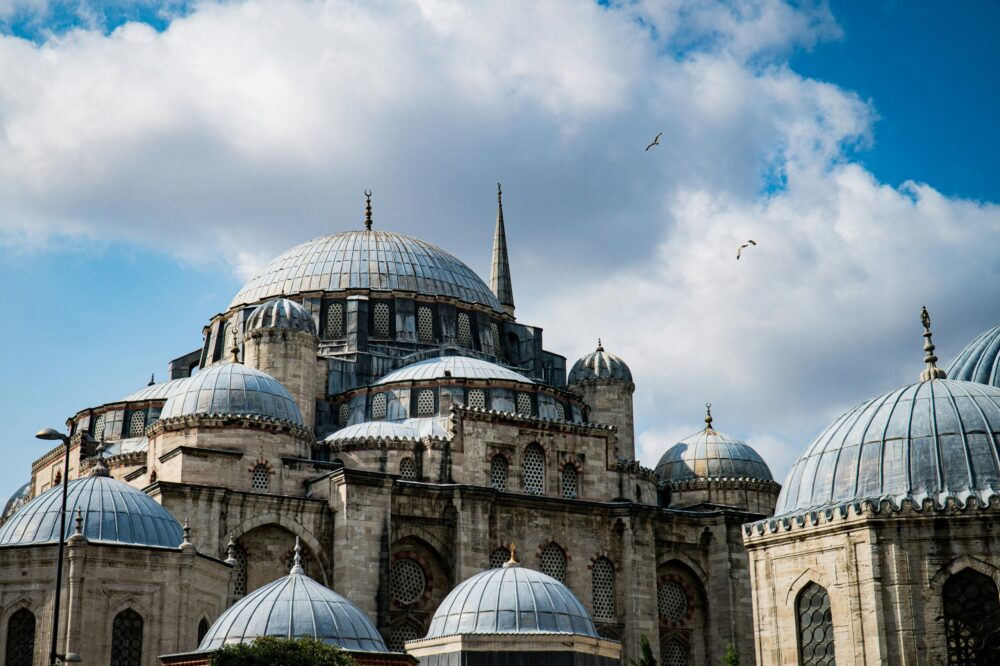
The mosque’s design emphasizes harmony and balance, with a large central dome flanked by smaller domes and elegant minarets. The interior is adorned with Iznik tiles, calligraphy, and stained glass, while the complex includes a hospital, school, and library. Key aspects include:
- The acoustically perfect interior, enhanced by hollow pots in the walls
- The tombs of Sultan Suleiman and his wife, Hürrem Sultan
- The spacious courtyard with a fountain for ritual washing
Visitor Tips
Visit in the late afternoon to enjoy the golden light filtering through the windows. The surrounding gardens are perfect for a peaceful stroll, and the nearby Grand Bazaar is just a short walk away for shopping enthusiasts.
Rüstem Pasha Mosque: A Hidden Gem of Tilework
Nestled near the Spice Bazaar, the Rüstem Pasha Mosque is often overlooked but is a jewel among the top historical mosques to visit in Istanbul. Built in the 16th century for Grand Vizier Rüstem Pasha, it was designed by Mimar Sinan and is renowned for its exquisite Iznik tile decoration, which covers almost every surface inside.
Architectural Highlights
The mosque’s compact size allows for an intimate viewing experience, with tiles depicting tulips, carnations, and other floral motifs in vibrant blues, reds, and greens. The geometric patterns and calligraphic inscriptions add to its artistic value. Highlights include:
- The tile-covered mihrab and minbar
- The elevated location, accessed by a staircase
- The detailed wooden doors and window frames
Visitor Tips
This mosque is less crowded, making it ideal for a quiet visit. Combine it with a trip to the Spice Bazaar for a full cultural experience. Be mindful of prayer times, as it is an active mosque.
New Mosque (Yeni Cami): A Symbol of Perseverance
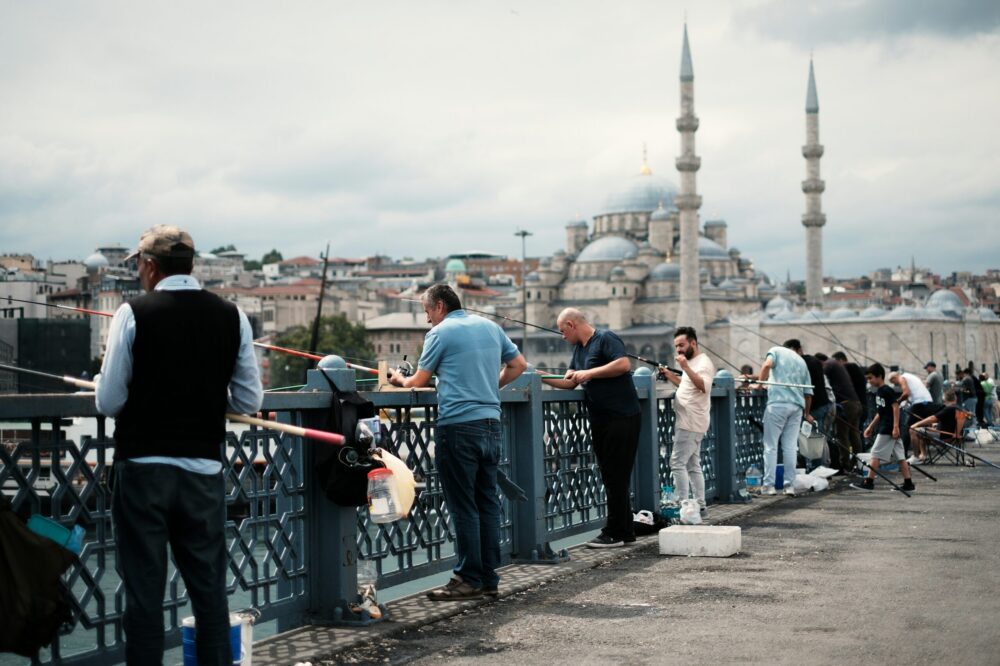
The New Mosque, or Yeni Cami, might seem misnamed given its completion in 1663, but it represents a long and troubled construction history that spanned nearly a century. Located near the Galata Bridge, it is one of the top historical mosques to visit in Istanbul for its grand scale and historical narrative, reflecting the resilience of the Ottoman Empire.
Architectural Highlights
The mosque features a large courtyard, twin minarets, and a richly decorated interior with gold leaf and marble. Its location by the water adds to its scenic appeal, especially at sunset. Notable features include:
- The imperial pavilion used by the sultan
- The intricate calligraphy on the dome
- The adjacent Egyptian Bazaar for spices and souvenirs
Visitor Tips
Visit during the late afternoon to see the mosque illuminated against the evening sky. The surrounding area is bustling with activity, so take time to explore the nearby markets and waterfront.
Conclusion: Exploring Istanbul’s Spiritual Heritage
In summary, the top historical mosques to visit in Istanbul offer a rich tapestry of art, history, and spirituality. From the transformative Hagia Sophia to the tile-adorned Rüstem Pasha Mosque, each site provides a unique window into the city’s past. As you plan your visit, remember to respect local customs, such as dressing modestly and avoiding prayer times. These mosques are not just monuments but active centers of community life, inviting visitors to reflect and appreciate Istanbul’s enduring legacy. Whether you’re a first-time traveler or a seasoned explorer, discovering these architectural marvels will deepen your understanding of this fascinating city and its cultural heritage.
Photo by Youssef Mohamed on Unsplash